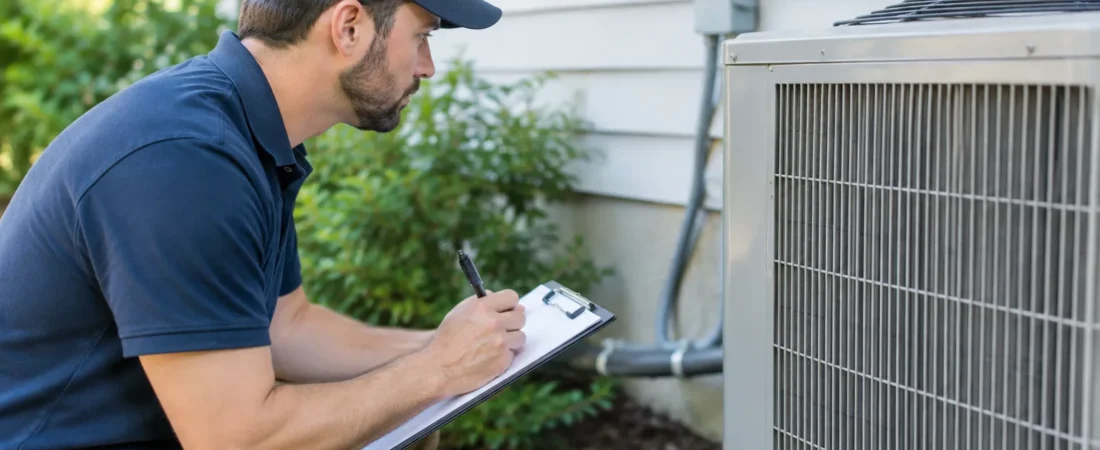
An HVAC repair estimate should explain what failed, what work is proposed, and how the charges and warranty apply. The cost of HVAC repair varies with the diagnosis, equipment, parts, labor, and service conditions, so comparing the total alone can be misleading.
| Criterion | Detailed estimate | Vague estimate |
|---|---|---|
| Scope | Identifies the suspected fault and work proposed | Gives a broad description with few specifics |
| Pricing | Separates charges or explains what the total includes | Provides a total without clarifying its components |
| Warranty | States applicable coverage and terms | Leaves coverage unclear |
| Exclusions | Identifies work or conditions not included | Does not explain what could add to the bill |
| Ease of comparison | Gives you details to compare with another proposal | Makes it difficult to tell whether the scope matches |
Use the estimate that explains its scope and gives you enough information to ask informed questions. Our home repair guides offer practical advice for evaluating household repair decisions.
At a glance: detailed vs. vague HVAC repair estimates
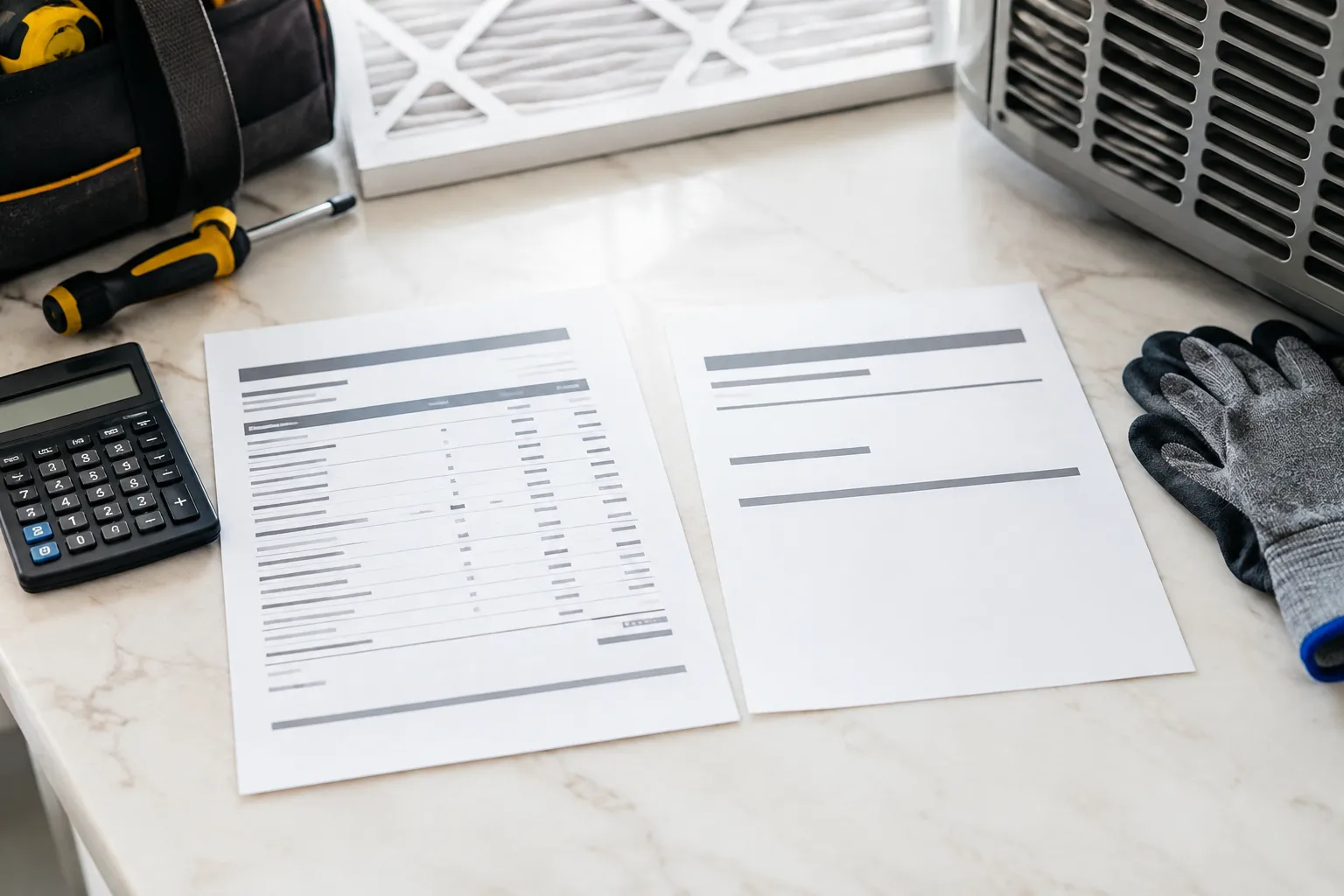
A detailed estimate is easier to evaluate because it connects the diagnosis to the proposed work and its charges. A vague estimate may still come from a capable contractor, but it leaves you with more questions to resolve before approving the repair.
Compare estimates against the same criteria: What problem does each company identify? What work will it perform? Are parts, labor, and diagnostic charges explained? What warranty applies, and what is excluded? If one proposal leaves out these details, ask for clarification rather than assuming it covers the same work as a more specific estimate.
What drives the cost of HVAC repair?
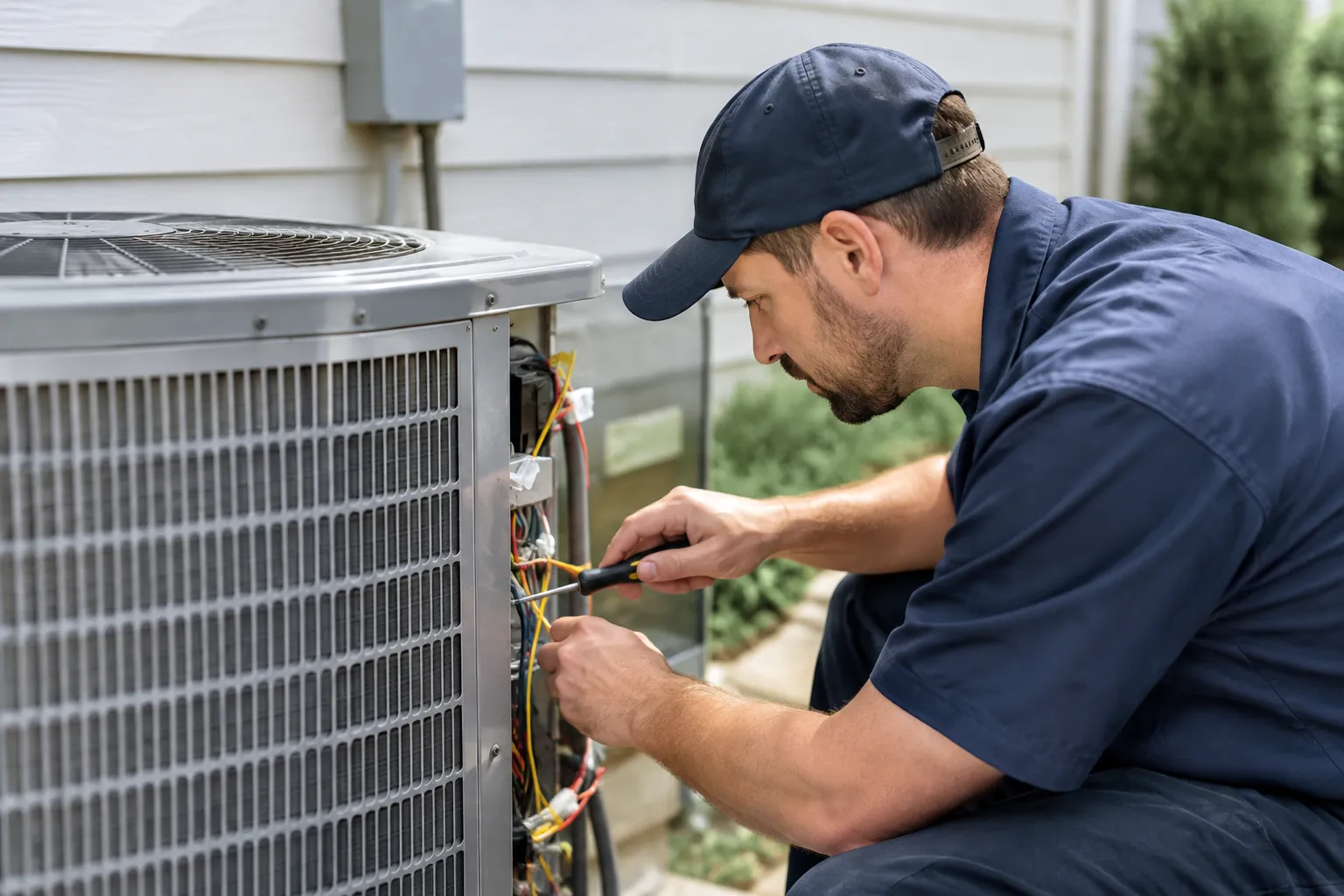
There is no single standard cost for HVAC repair. The amount depends on the problem found and the work needed to address it. The following factors can affect estimates:
- Diagnosis: A clear, limited fault may lead to a more straightforward repair than a problem requiring additional troubleshooting.
- Equipment type: Heating and cooling systems use different components. The equipment model and configuration can affect which part is suitable and how the work is performed.
- Parts availability: A readily available replacement part may be easier to source than a less common component. Ask whether the quoted part is original equipment, compatible replacement, or another specified type.
- Repair complexity: Access to the equipment, the number of tasks involved, and whether other issues need attention can change the labor required.
- Service timing: The timing and urgency of a call may affect the service terms. Ask whether the estimate includes any after-hours or emergency charges before approving work.
Start by reviewing the symptoms and any safe checks you have already completed. Our guide to HVAC repair checks can help you understand what to check before moving from an estimate to approval. Do not open electrical panels, handle refrigerant, or attempt work beyond your training; stop if you are uncertain or see a safety concern.
Check the estimate line by line
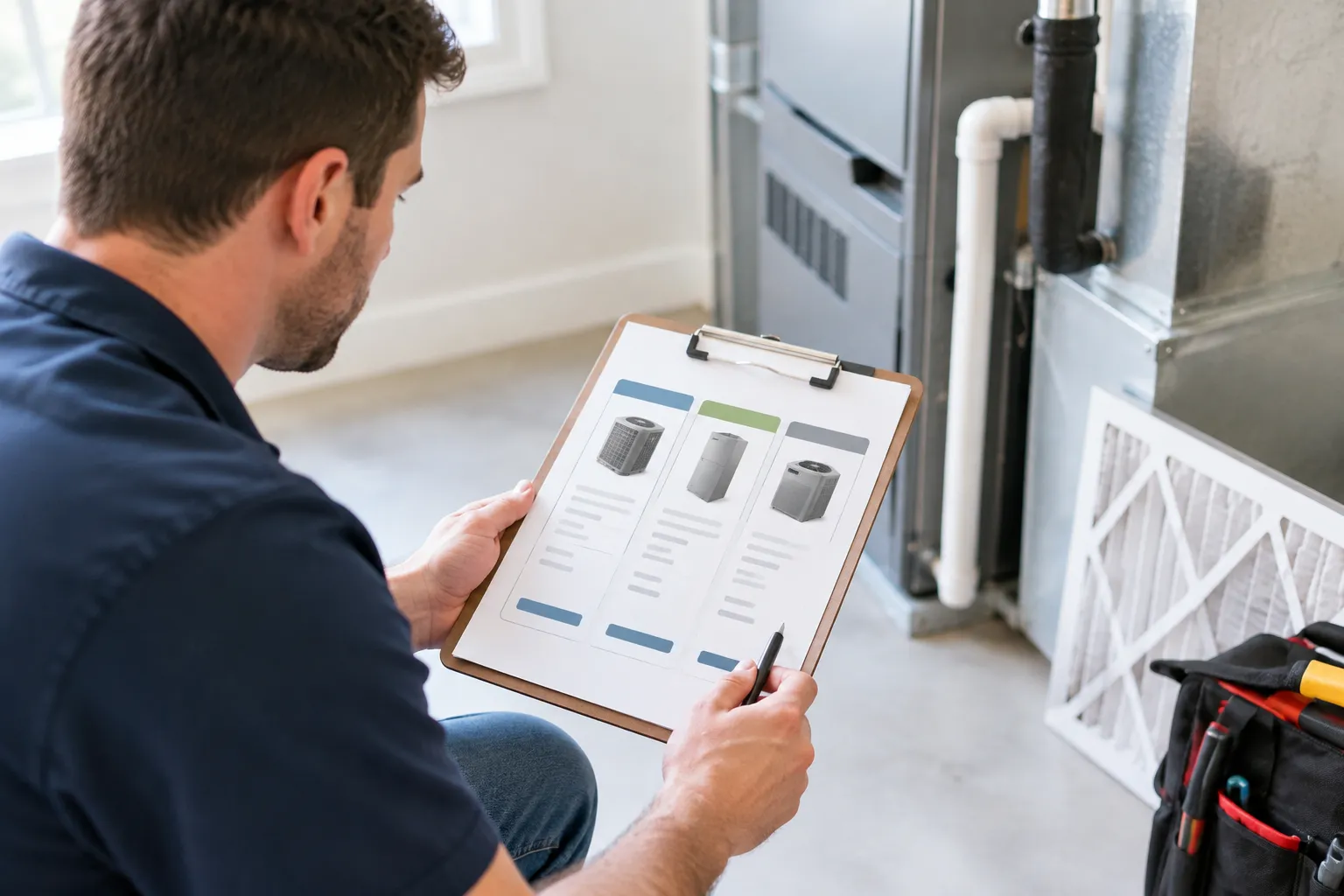
Read the scope and charges before focusing on the total. If a line is unclear, ask what it covers and whether the proposed work is intended to resolve the diagnosed problem.
Confirm the diagnosis and diagnostic fee
The estimate should describe the suspected fault in terms you can follow and explain the proposed repair. If the diagnosis is tentative, ask what still needs to be confirmed and whether that could change the scope.
Check whether the diagnostic fee is separate from the repair, waived if you approve the work, or credited toward it. These arrangements vary, so get the contractor’s specific terms in writing. If the company recommends more than one repair, ask which issue each item addresses and whether each is necessary for the system to operate safely.
Review parts and labor charges
Look for the part being replaced and the labor or tasks involved. When relevant, ask for the part’s model or number, whether it is new or a different type of replacement, and whether the estimate includes related materials or disposal.
Labor may appear as a separate charge or be included in a combined price. Either format can be understandable if the estimate makes clear what work is included. Ask whether the quoted scope includes testing or other steps to confirm the repair. For an air conditioner-specific overview of service options, see our guide to hvac air conditioner repair.
Look for warranty terms and exclusions
Ask what warranty applies to the repair and whether it covers the part, labor, or both. Check the length of coverage, how to request service under it, and any conditions that could limit it. Do not assume a manufacturer’s part warranty also covers labor.
Review exclusions, too. The estimate may not include additional work if inspection reveals another fault, access issue, or damage. Ask what would happen if the scope changes: Will the contractor stop, explain the new finding, and provide a revised price for your approval?
Choose an estimate you can verify, not just the lowest

A low total is not a useful comparison if it covers less work, leaves out charges, or relies on a different diagnosis. Compare proposals using the same questions:
- Does each estimate identify the problem and proposed repair?
- Do the prices cover the same parts, labor, and related tasks?
- Are diagnostic fees, possible added charges, and exclusions clear?
- Can you understand the warranty and the contractor’s answers?
If one estimate is much higher or lower, ask what explains the difference. It could reflect a different diagnosis, repair scope, part, or service condition; the price alone does not tell you which. Request a written explanation and, if the scope is still unclear, consider another opinion. A second estimate is most useful when the other provider assesses the equipment independently and explains what their recommendation includes.
Choose the option you can understand and verify—not simply the lowest quote. If the repair appears to involve hazardous electrical work, refrigerant, or a problem you cannot confidently assess, consult a qualified HVAC professional for your specific situation.
HVAC Repair Cost FAQs
What is the $5,000 rule for HVAC repair or replacement?
The $5,000 rule is a rough comparison: multiply the system’s age by the repair estimate, and consider replacement if the result exceeds $5,000. It is a screening shortcut, not a substitute for comparing repair scope, condition, and replacement options.
How long does an HVAC system usually last?
Many HVAC systems last roughly 15 to 20 years, but lifespan varies by equipment type, use, maintenance, and operating conditions. Age alone does not determine whether a particular repair is worthwhile.
What is the most expensive part of an HVAC system to repair?
A compressor or heat exchanger can be among the costly components to repair, depending on the system and diagnosis. Ask the contractor to explain the failure, repair scope, and any alternatives.
What is the most common part to fail in an air conditioner?
Capacitors are a common air-conditioning component failure, but symptoms can have other causes. Ask for the diagnosis and proposed fix rather than assuming a part has failed based on the symptom alone.
Should a repair estimate include the model and part number?
When a specific replacement part is proposed, including its model or part number helps you confirm what is being installed. If it is omitted, ask for the details and whether an equivalent part is proposed.
Can an HVAC repair estimate change after work begins?
Yes. A contractor may find an additional problem after beginning the approved work, but should explain the new finding and revised charges before proceeding. Ask how changes will be authorized.
Should I get more than one estimate for an HVAC repair?
Consider another estimate when the scope or diagnosis is unclear, the proposed repair is substantial, or the prices differ significantly. Compare the same work and ask each provider to explain their recommendation.
Does homeowners insurance cover HVAC repairs?
Homeowners insurance may cover HVAC damage caused by a covered event, but policies commonly distinguish sudden damage from wear and tear. Check your policy and ask your insurer how the specific cause is treated.
Get clarification before approving the repair
Before authorizing work, ask the contractor to put unclear charges, warranty terms, exclusions, and possible scope changes in writing. If you receive a revised estimate, compare it with the earlier version and check what changed—not just the new total.
Keep a copy of the estimate you approve and any written changes. That gives you a clear record of the agreed scope, price, and terms if questions come up during or after the repair.