
The cheaper choice is the one that addresses the cause of the problem without leaving you with repeated repairs or an unsuitable system. To decide whether it is cheaper to repair or replace an HVAC system, compare the written repair scope with a replacement proposal, then consider equipment age, condition, repair history, and how well the system serves the home.
There is no single HVAC repair cost that applies to every home. Diagnosis, parts, equipment type, access, and labor all affect an estimate, while replacement scope can vary with the equipment and work the home needs. A current local quote is more useful than a broad price figure.
Is it cheaper to repair or replace an HVAC system? What it means in practice
A repair usually costs less upfront when the fault is limited, the rest of the system is in sound condition, and the equipment can be repaired reliably. Replacement may make more financial sense when a major failure is combined with advanced age, recurring breakdowns, or other evidence that a repair would only postpone a larger expense.
That comparison should include more than the first invoice. Ask whether the repair is expected to resolve the diagnosed problem, what warranty applies to the work or parts, and whether the replacement estimate includes all the work needed to install and start up the equipment. The goal is not to predict every future expense; it is to compare clear, complete options using the information available now.
For a closer look at how to evaluate the repair side of that decision, see our guide to compare HVAC repair estimates. It explains how to review estimates without treating one total as the whole story.
Is it cheaper to repair or replace an HVAC system? The key factors
The decision often turns on the relationship between the repair and the condition of the whole system. A modest repair on equipment that has been dependable can be a reasonable choice. A repair that is costly relative to the system’s condition deserves more scrutiny, particularly if other failures are likely.
The core problem to understand

Start with diagnosis, not a replacement recommendation or a parts list. Ask what failed, how the technician confirmed it, and whether the proposed work addresses the underlying cause. Symptoms such as weak airflow, unusual noise, or inconsistent temperatures can have different causes, so a symptom alone cannot determine whether replacement is necessary.
The HVAC repair cost also reflects how the fault is reached and verified. A component that is difficult to access may require more labor than one that is readily accessible. Parts availability and system type can also affect the scope. Ask for the diagnosis and proposed work in writing, including any uncertainty or additional work that could change the estimate.
If the diagnosis is unclear, or the recommendation changes substantially after inspection, pause before approving major work. You can review the broader steps involved in hvac system repair to understand how diagnosis should guide the next decision.
The practical decision criteria
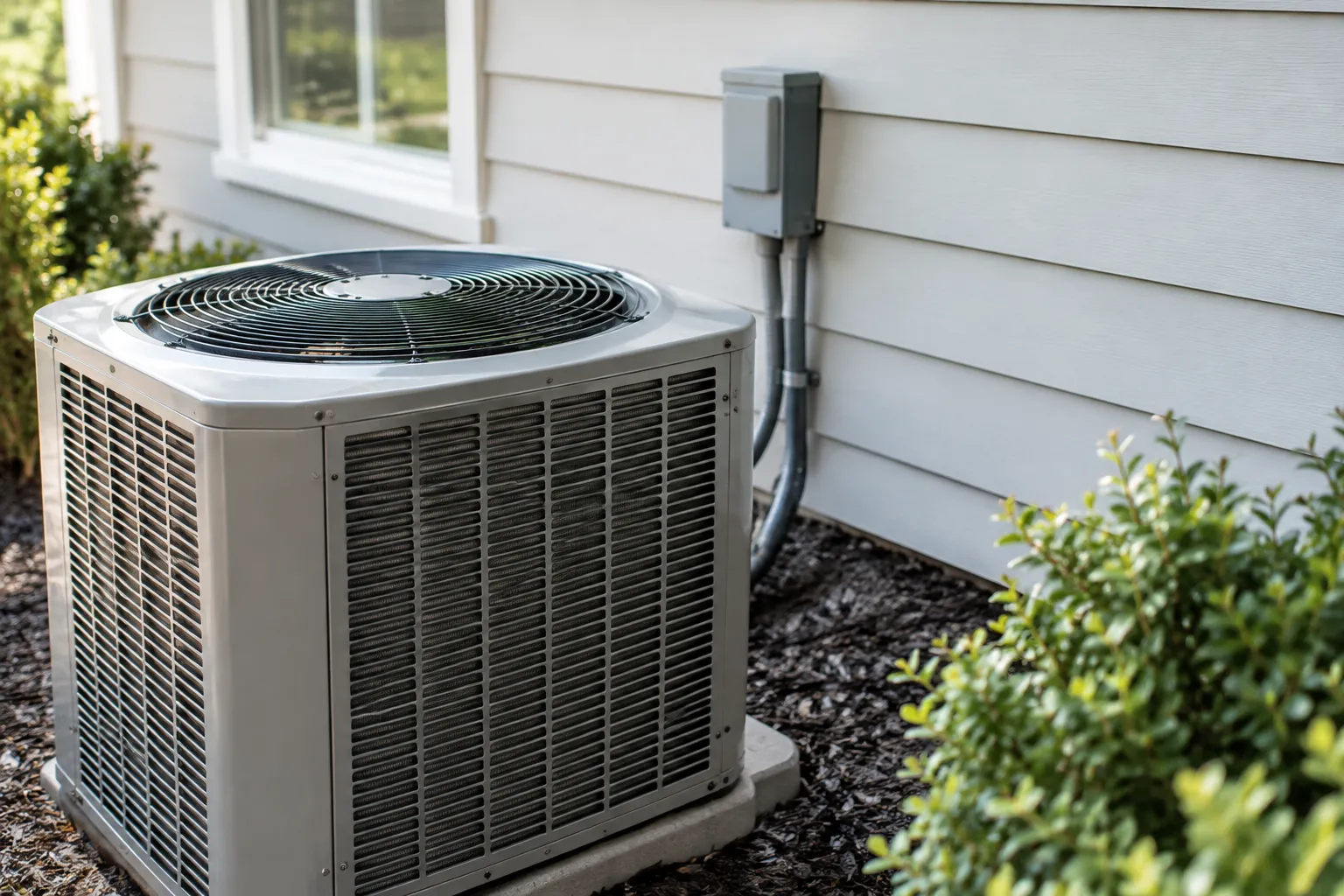
Compare repair and replacement across several factors rather than relying on a single rule:
- Age and condition: Older equipment is not automatically a candidate for replacement, but age matters alongside wear, service history, and the likely availability of parts.
- Repair history: A one-time fault is different from repeated service calls for separate problems. Keep receipts and note what was repaired.
- Scope and certainty: A specific repair with a clear diagnosis is easier to evaluate than an estimate that leaves key work or possible added charges undefined.
- Comfort and performance: Persistent uneven temperatures or airflow issues may require investigation beyond the failed component. Ask whether the proposed repair is expected to address those concerns.
- Replacement scope: Confirm what equipment and installation work are included, what is excluded, and whether changes to existing connections or other components may be needed.
- Timing and household needs: A decision made during an urgent breakdown may involve different tradeoffs from a planned replacement. Consider whether you can safely wait for another written estimate.
For readers sorting through several maintenance or repair priorities, our home repair guides offer practical information for planning work around the home.
Common mistakes to avoid
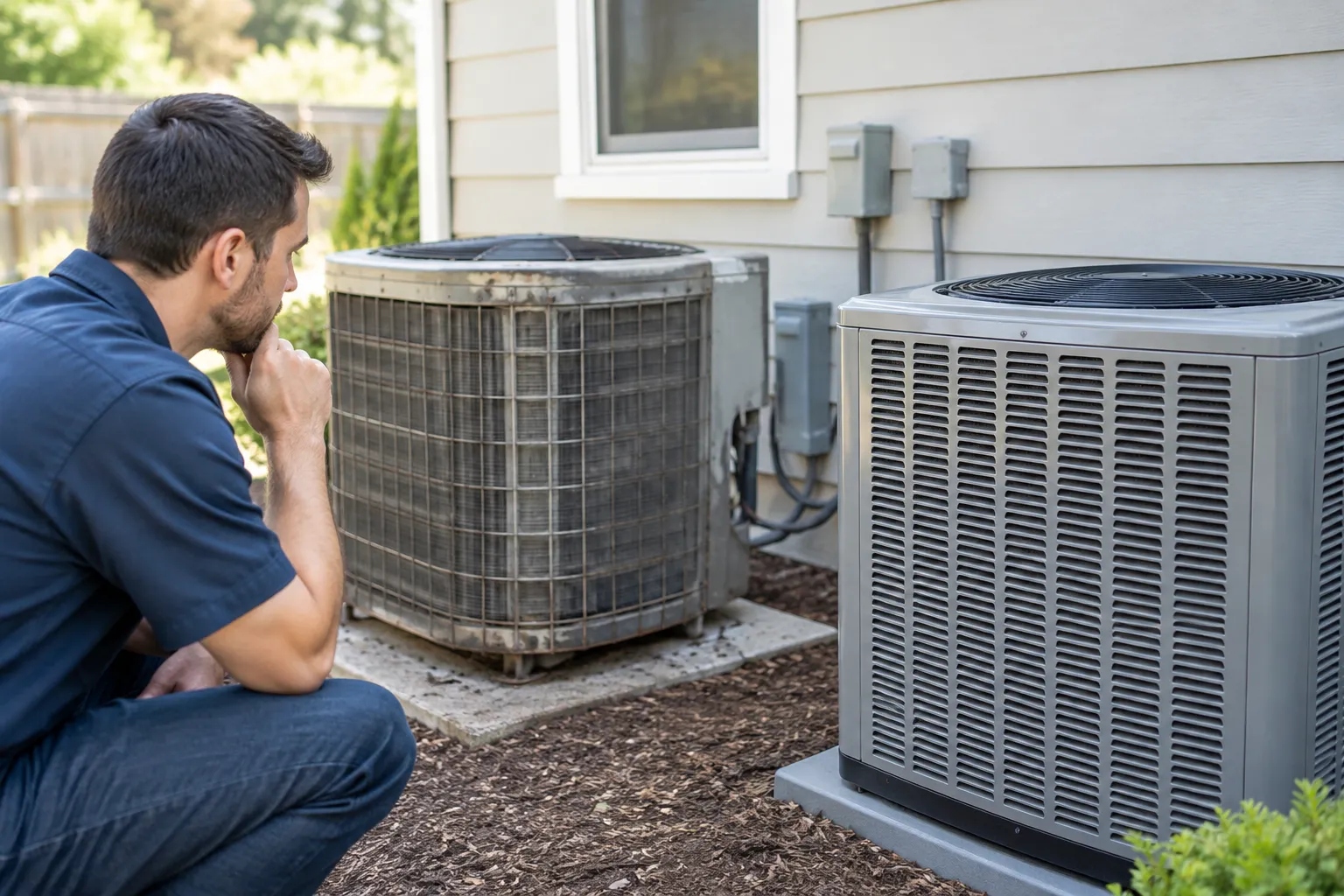
Do not compare a repair total with a replacement total unless you know what each includes. One repair estimate may include diagnosis and labor while another may list only a part; replacement proposals can also differ in installation scope, removal, and other included work.
Avoid treating equipment age or a rule of thumb as a verdict. A rule cannot account for a system’s condition, the repair diagnosis, local labor, or the actual replacement proposal. Likewise, choosing the lowest bid without checking scope can leave important questions unanswered.
Finally, do not attempt electrical, refrigerant, or other specialized HVAC work as a shortcut to avoid a service call. These tasks can involve serious safety risks and require appropriate qualifications. Limit DIY work to tasks permitted by the equipment instructions, such as checking a filter or thermostat settings, and contact a qualified HVAC professional when the cause is uncertain.
Is it cheaper to repair or replace an HVAC system in practice? How to apply it
Use a simple comparison process before approving a major repair or replacement:
- Record the symptom, when it occurs, and any recent service history. Check basic, safe items such as thermostat settings and the air filter, following the equipment manual.
- Request a diagnosis and an itemized written estimate. Ask what failed, how it was confirmed, what parts and labor are included, and whether the work has a stated warranty.
- If replacement is recommended, request a written proposal with the equipment and installation scope clearly described. Ask what is excluded and what conditions could add work or cost.
- Compare the two proposals on scope, expected result, warranty, and uncertainty—not just the total. If a major decision remains unclear, a second opinion can help establish whether the diagnosis and proposed scope are comparable.
- Decide whether a repair is a reasonable, defined response or whether the system’s condition and history make replacement worth considering.
If the technician finds damage, a safety concern, or a larger issue than expected, stop and ask for an explanation before authorizing additional work. Consult a qualified HVAC professional about the condition and options for your specific system.
FAQ
How much is a new HVAC system for a 2,000-square-foot house?
Square footage alone cannot determine a reliable replacement price; system type, home layout, existing equipment, and installation scope all affect the proposal. Get a local, written estimate based on an assessment of the home.
What’s the average lifespan of an HVAC system?
There is no single lifespan for every HVAC system; heating and cooling equipment can have different service lives, and maintenance, use, climate, and installation affect longevity. Ask a qualified technician to assess your specific equipment.
Will HVAC prices go down in 2026?
There is no dependable way to predict whether HVAC prices will fall in 2026, because local labor, equipment, and installation needs vary. Compare current written proposals rather than delaying necessary work based on a price forecast.
What should you know first when deciding whether to repair or replace an HVAC system?
Get a clear diagnosis first: the same symptom can have different causes, and the repair decision depends on what failed and the system’s overall condition. Then compare written repair and replacement scopes.
How do you choose between HVAC repair and replacement?
Choose by comparing the diagnosed repair, system condition and history, expected scope, and complete replacement proposal. A repair may suit a defined fault; replacement merits consideration when repeated problems or broader condition concerns change the tradeoff.
Which mistakes should you avoid when deciding whether to repair or replace HVAC?
Avoid relying only on age, a rule of thumb, or the lowest headline price. Check that estimates describe comparable work, and do not attempt hazardous electrical or refrigerant repairs yourself.
What should you expect from HVAC repair in daily use?
After a repair, check whether the original symptom improves and whether the system operates as the technician described. If the problem continues or a new safety concern appears, stop troubleshooting and contact a qualified professional.
What should you check before comparing HVAC repair and replacement?
Check what each written proposal includes, what it excludes, the diagnosis or installation scope, applicable warranties, and possible added work. Compare like with like rather than judging by the total alone.
Recommended next steps
If the system is working and the issue is not urgent, gather its service history and request a written diagnosis before deciding. If it has stopped working or a safety concern is present, contact a qualified HVAC professional rather than attempting specialized repairs.
The practical answer to “is it cheaper to repair or replace HVAC?” comes from comparing the actual repair scope with a complete replacement proposal for your home. Clear documentation makes the HVAC repair cost easier to evaluate and helps you see when a repair may no longer be the most sensible option.