
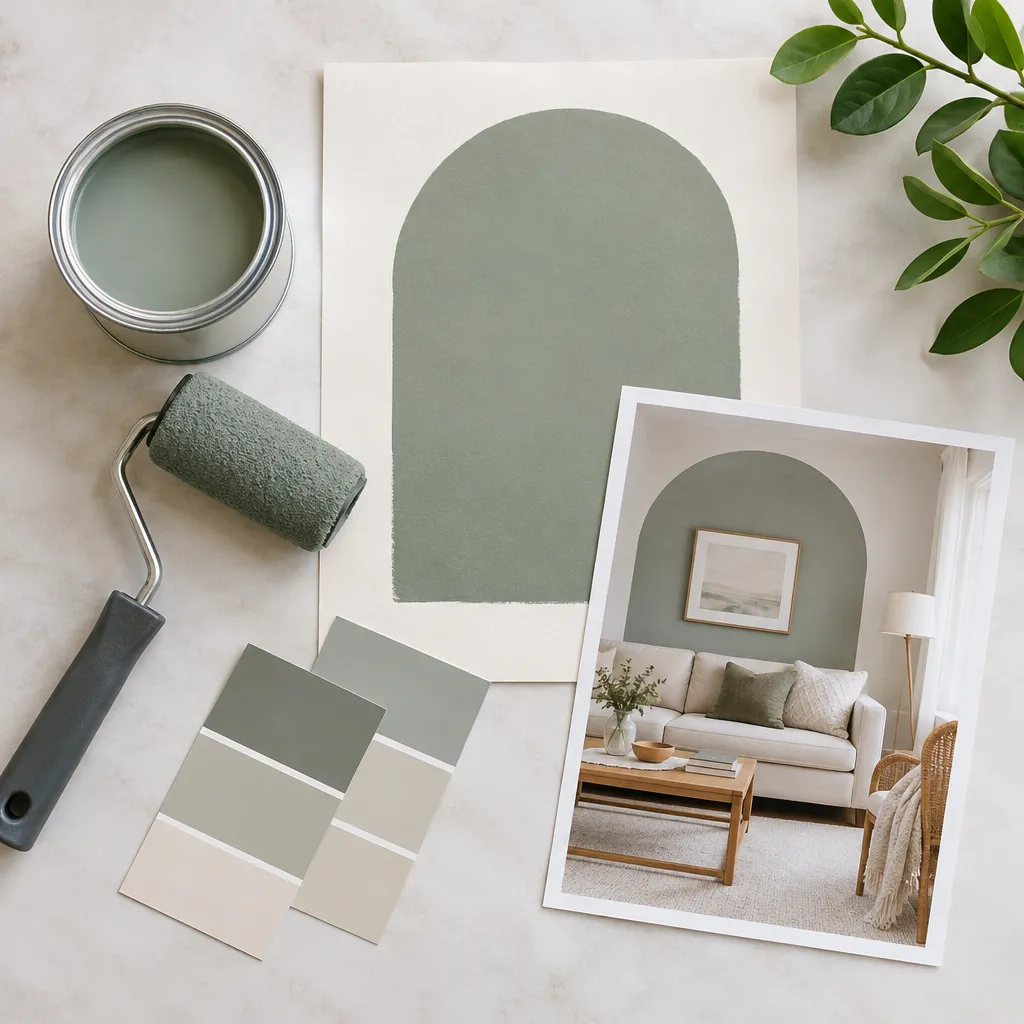
1. Paint a Muted Accent Shape Behind a Focal Point
A soft painted arch, rectangle, or other simple shape can visually anchor a bed, console, or reading nook. Pick a muted color that already appears in a rug, artwork, or upholstery, and keep the shape large enough to relate to the furniture without competing with it.
Use painter’s tape, a level, a pencil, and a suitable wall paint. Test the color in the room before outlining the shape; daylight and artificial lighting can change how it looks. This is one of the more visible DIY home decorating projects, so plan the edges carefully.

2. Sew Throw Pillow Covers That Repeat Room Colors
Pillow covers can tie together a sofa, curtains, and rug without requiring every pattern to match. Choose one fabric that repeats a prominent room color, then pair it with a quieter solid or a pattern at a different scale. For example, a small print can balance a larger geometric motif.
Before cutting fabric, measure each insert and allow for seams and the closure style. If sewing is new to you, a simple envelope-back cover can avoid installing a zipper. These DIY projects for home decorating are easy to adjust later by changing the covers rather than the inserts.
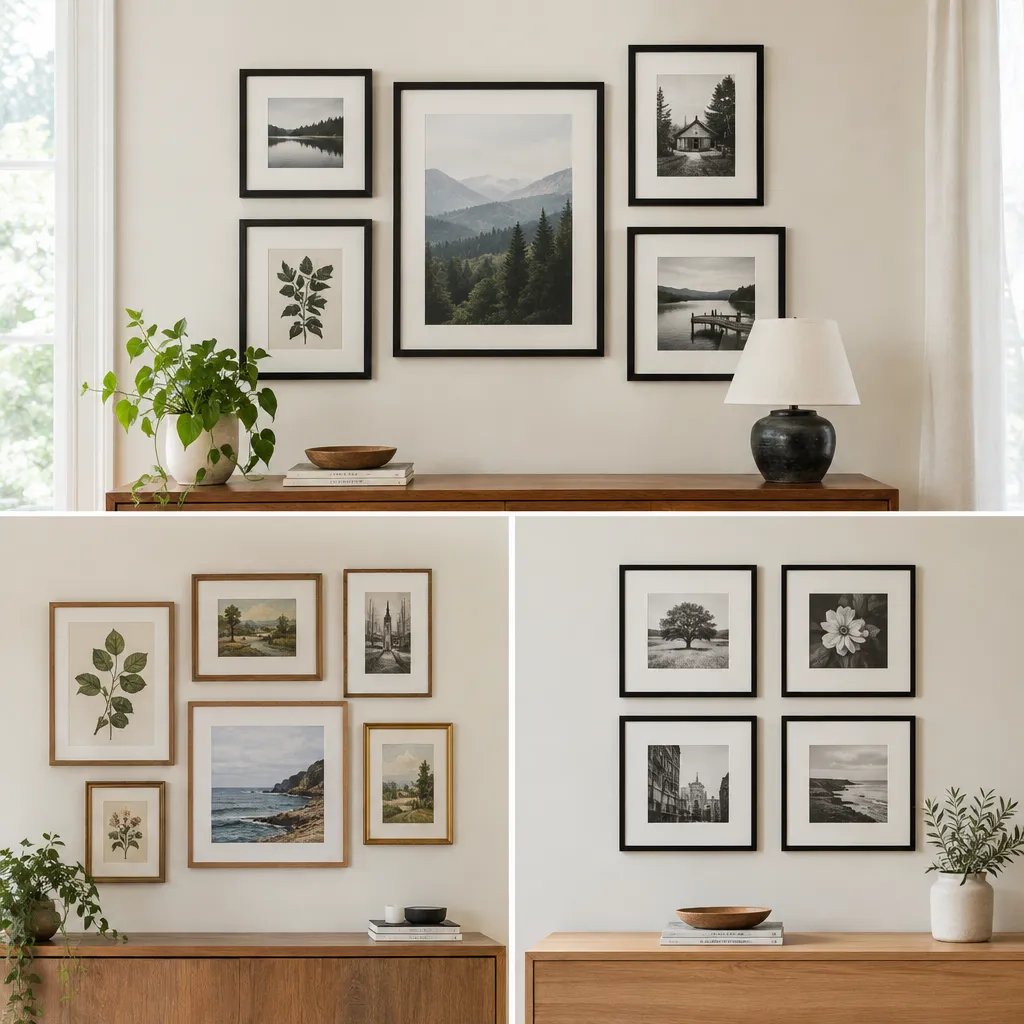
3. Arrange a Gallery Wall with Coordinated Frames
Create unity among different photos and prints by repeating a frame finish, mat color, or visual theme. Lay the pieces on the floor first and adjust the mix of sizes until the arrangement feels balanced. Consistent spacing helps varied artwork look intentional without making every frame identical.
Check the wall for wiring or other hidden hazards before drilling. Use hanging hardware suited to the wall and the weight of each frame, and mark positions with a level. If you want a room-by-room overview before choosing a project, browse our DIY home decorating projects.

4. Build Simple Shelves with a Matching Wood Finish
A shelf can connect a room’s wood tones when its finish relates to a nearby table, cabinet, or floor. Choose dimensions based on what it needs to hold, and avoid making the shelf so deep or long that it overwhelms the wall. A painted finish can work just as well when it repeats a room color.
For a basic project, plan for the shelf board, appropriate brackets or supports, a level, measuring tools, and wall fasteners suited to the installation. Locate studs where needed and follow the hardware instructions. If the wall material or load is uncertain, pause and get qualified help before mounting.
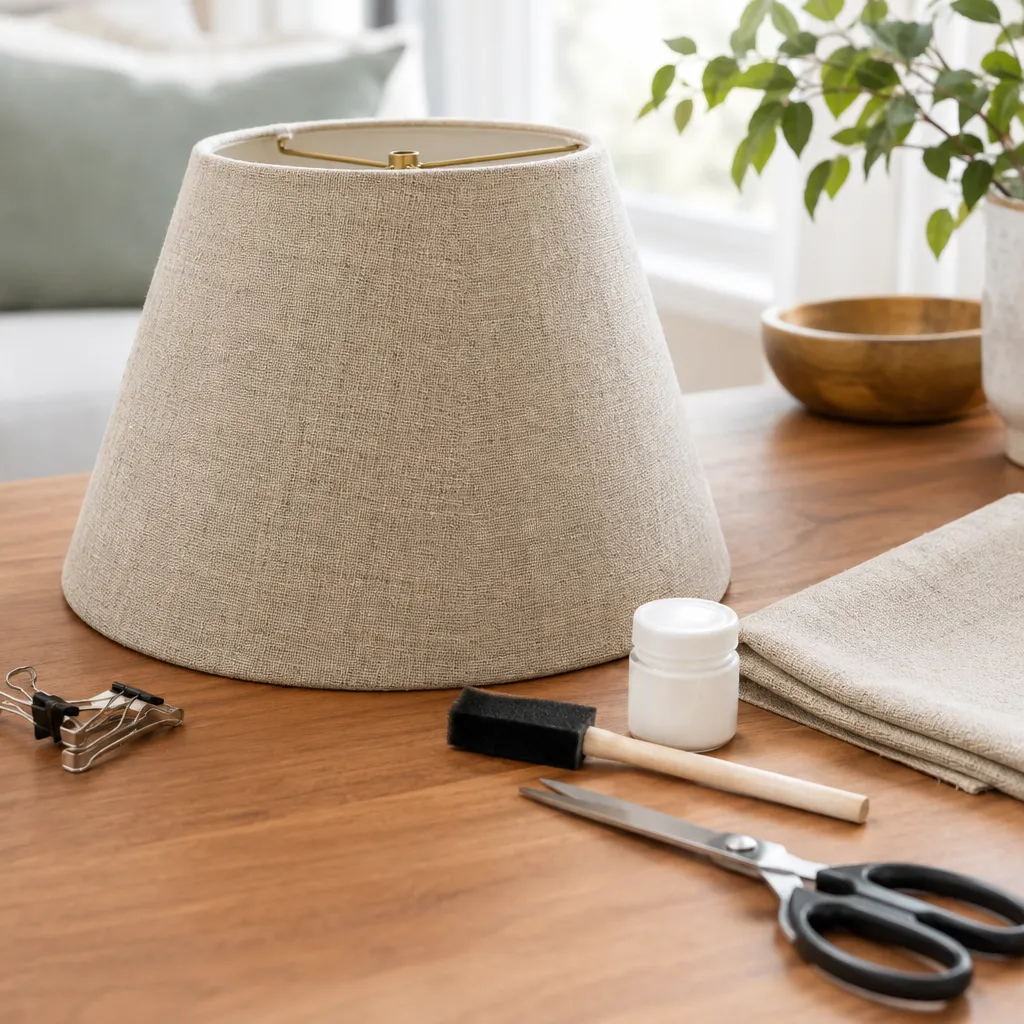
5. Recover a Lampshade in a Texture That Softens the Room
A replacement fabric can add texture while echoing colors in nearby pillows, curtains, or upholstery. Choose a restrained texture or solid shade if the room already has several strong patterns. Before buying material, check that the shade’s shape and attachment style are suitable for recovering.
Use fabric intended for the application and follow its care and safety guidance. Keep fabric clear of the bulb and any heat-producing parts, and don’t cover a shade if you can’t maintain safe clearance. For lighting-specific ideas, see our guide to DIY home decorating projects for better lighting.
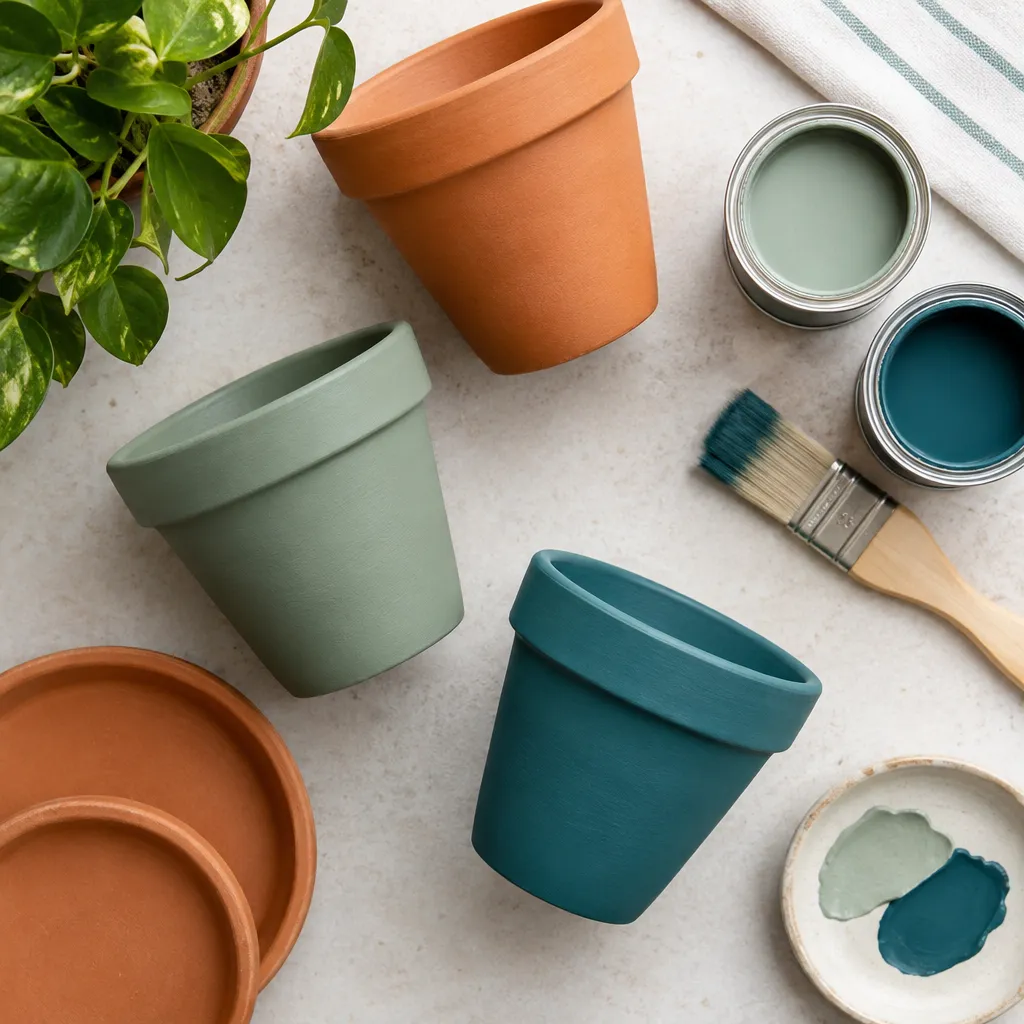
6. Paint Terracotta Planters to Echo Nearby Accent Colors
Painted planters can repeat a color from a cushion, artwork, or other accent without adding another large block of color. Choose a simple finish that suits the room’s existing textures, and consider leaving some terracotta visible for contrast.
Start with a clean, dry pot and use paint and a finish appropriate for the planter’s intended use. Follow the product label, especially if the pot will hold a live plant or sit outdoors. Let each coat dry as directed, and test the color on a small area before painting the whole surface.
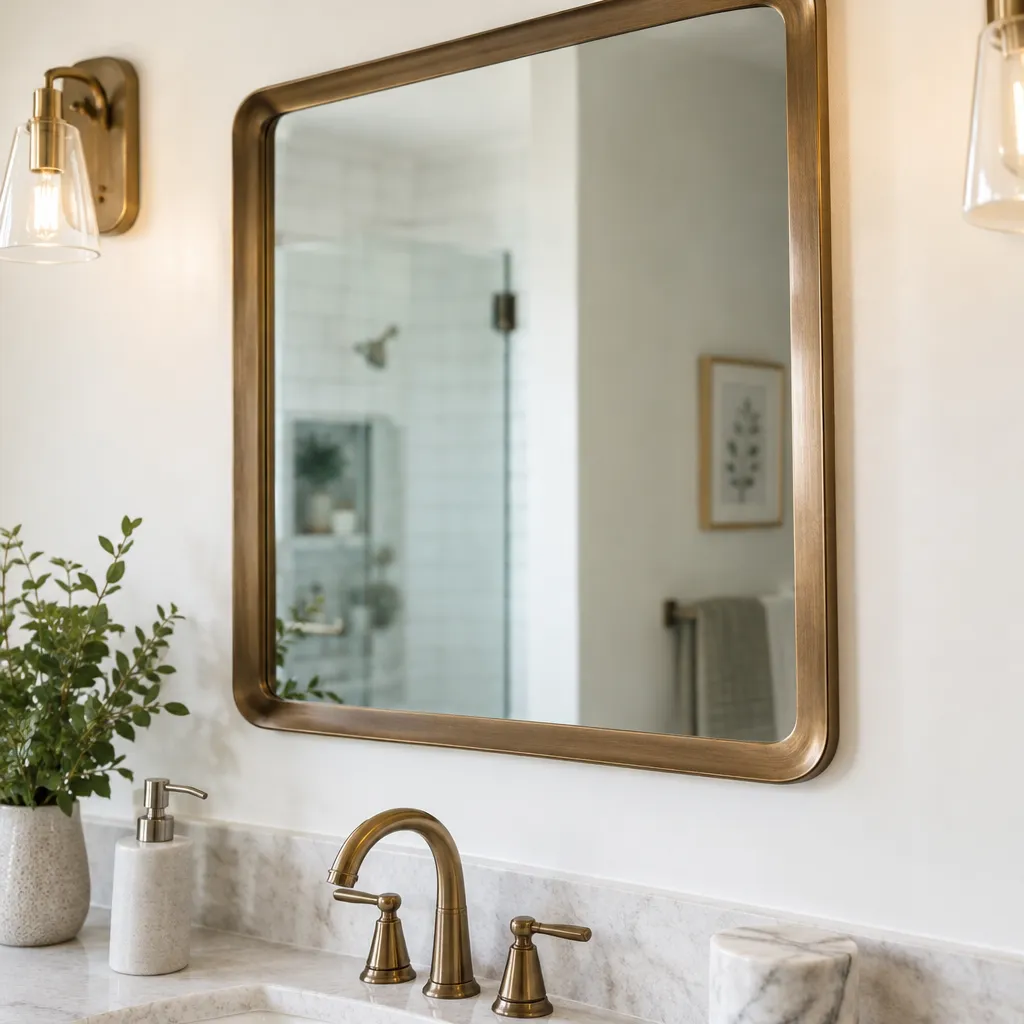
7. Frame a Bathroom Mirror to Link Its Finishes
A mirror frame can bring together the bathroom’s cabinet, hardware, and accent colors. Compare the frame’s width and finish with nearby elements; a simple profile often suits a compact mirror, while a heavier one can feel more balanced on a larger surface.
Use materials and finishes intended for humid conditions, and check that the frame won’t obstruct the mirror or existing fixtures. Plan how it will attach before cutting or applying adhesive. If the mirror is loose, cracked, or difficult to secure, don’t treat a decorative frame as a repair—contact a qualified professional.
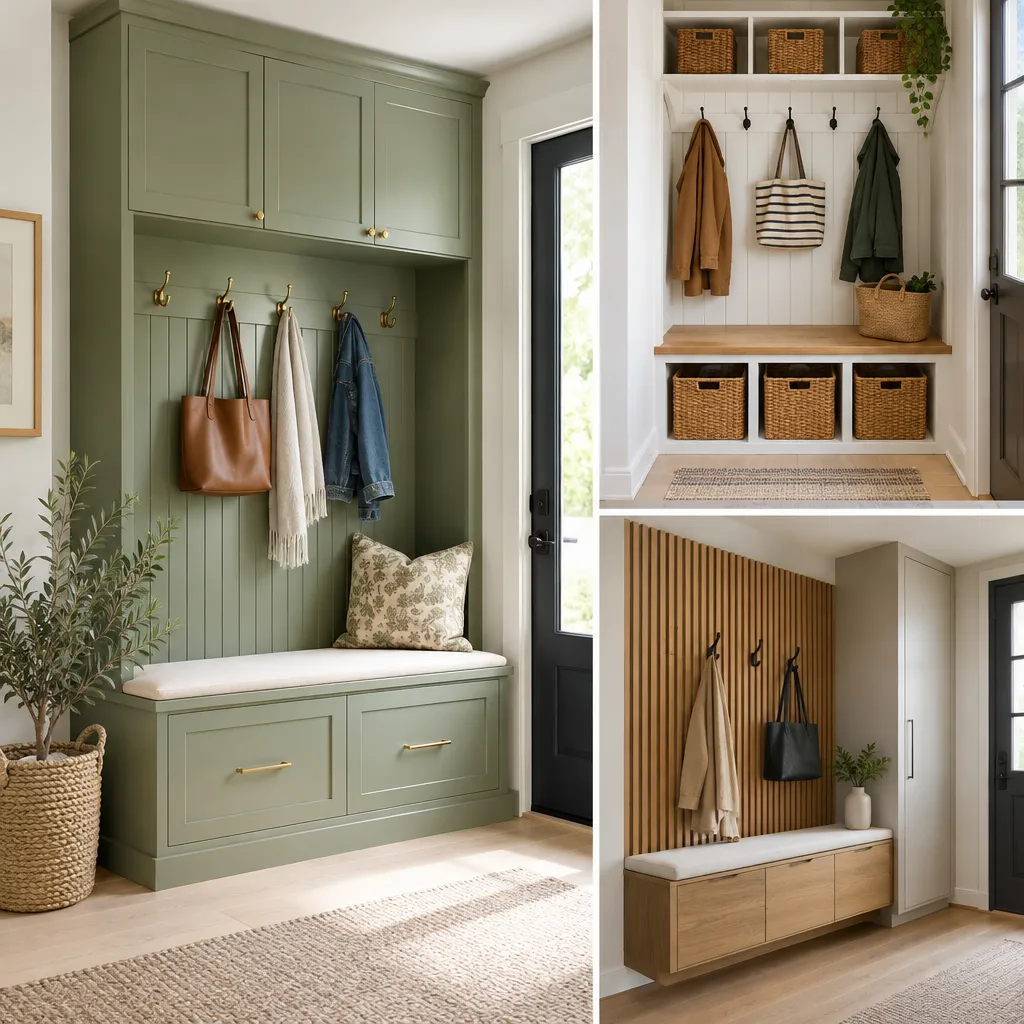
8. Create a Coordinated Entryway Drop Zone
Combine a small shelf, hooks, and a catchall using related finishes and proportions. A wood tone repeated in the shelf and bowl can connect the pieces, while hooks in a complementary finish add variation. Keep the setup sized for the entryway so it remains useful rather than crowded.
Before installing anything, decide what the area needs to hold and check the wall and mounting requirements. Choose one room and a limited palette before starting your next project. This keeps DIY home decorating projects connected without requiring every finish or accessory to match.
Recommended Next Steps
Choose the room where a small change would make the biggest difference, then identify one existing color and one finish to repeat. Pick a project that suits your tools and the room’s condition; handle water damage or uncertain wall repairs before adding decorative details.