

1. Patch a small drywall hole and smooth the surface
For a small, dry hole, gather a putty knife, suitable patching compound, sandpaper, and a dust mask. Remove loose material, apply the compound according to its label, let it dry, then sand lightly and wipe away dust. These beginner DIY projects around the house are a good way to practice careful surface prep before painting.
If the wall is damp, stained, soft, or damaged around a larger area, pause: a leak or other underlying problem may need attention first. For more DIY home project guides, choose instructions that match the size and cause of the damage.
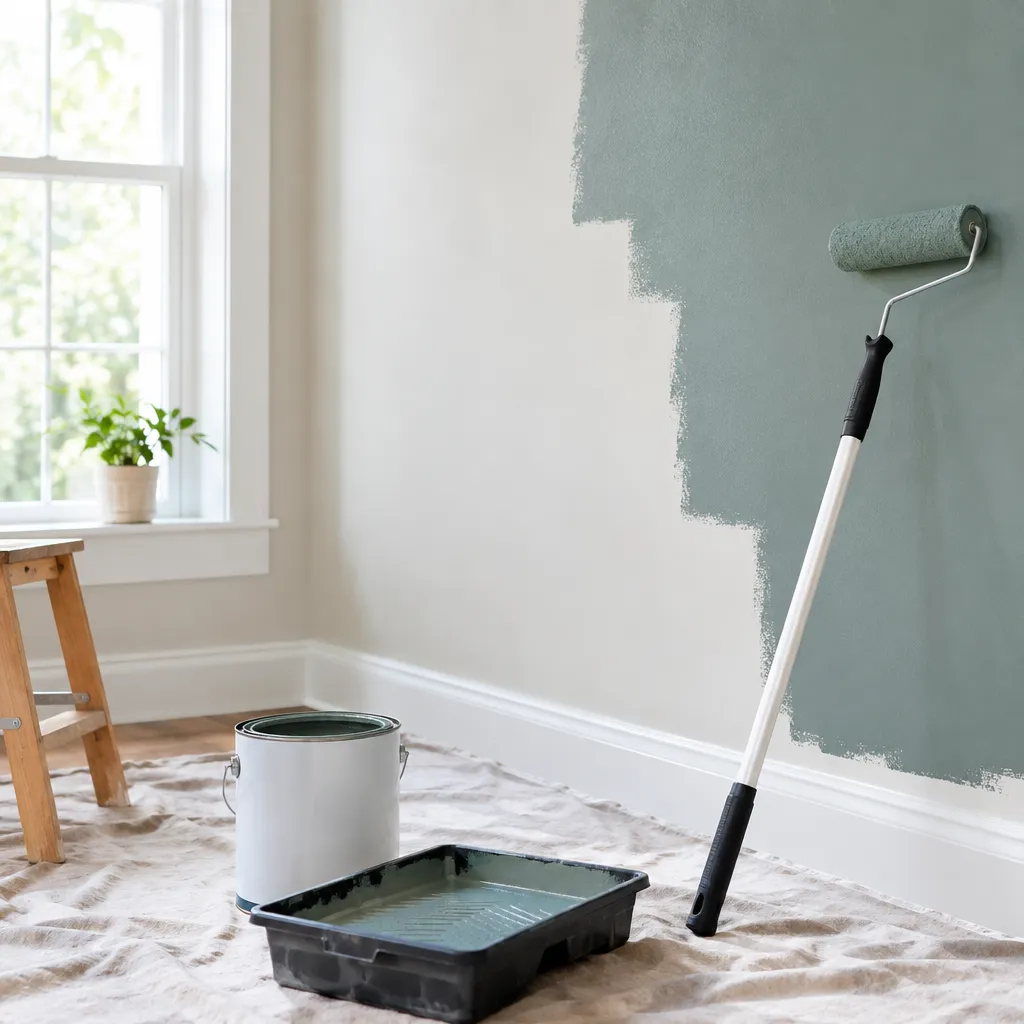
2. Refresh a room with a fresh coat of wall paint
Painting suits beginners who can take time to prepare. Clean the surface, fill small imperfections, and protect floors and trim with drop cloths and painter’s tape. Choose paint appropriate for the room and surface, and follow the label for preparation, ventilation, and drying.
Use a stable ladder on level ground, and avoid overreaching. For more help selecting manageable beginner home improvement projects, start with work that does not require moving outlets, removing fixtures, or disturbing old coatings you can’t identify.
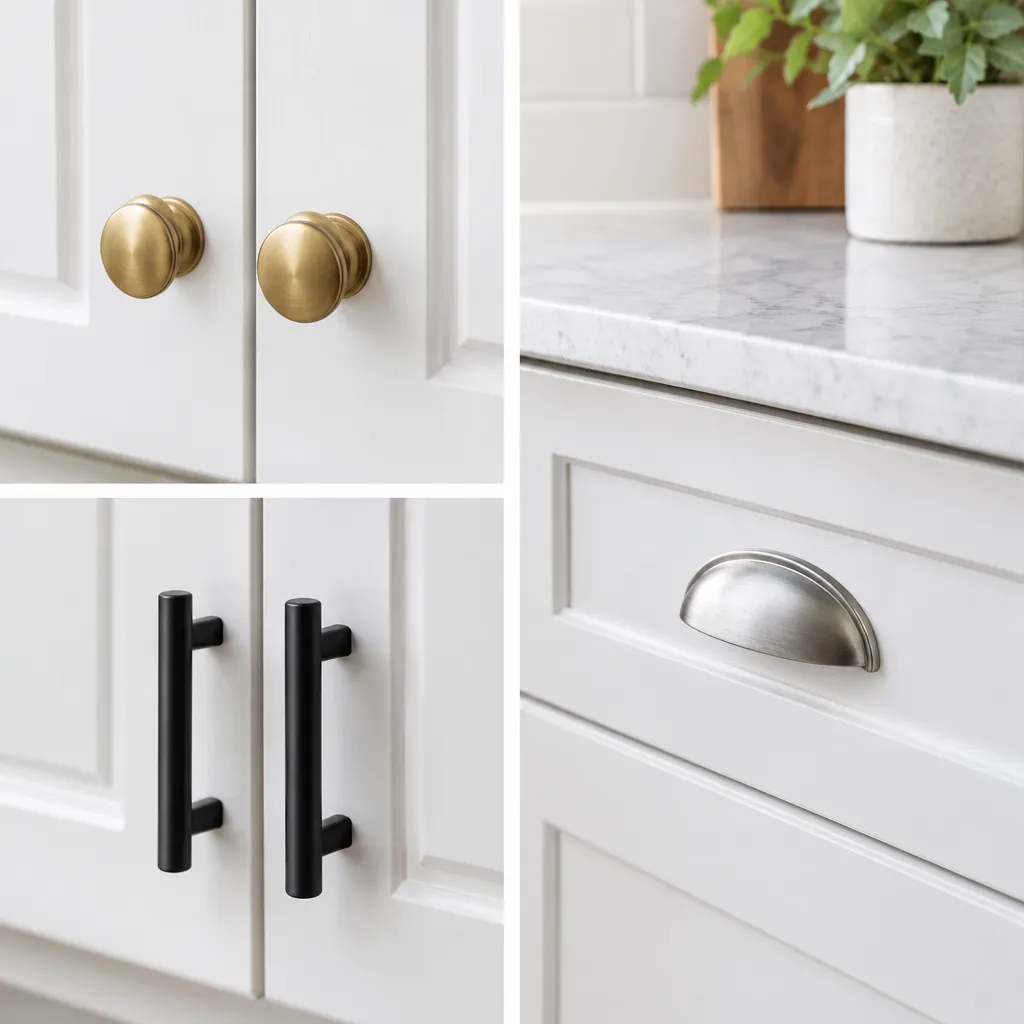
3. Replace cabinet knobs and drawer pulls
Changing hardware is a straightforward way to update cabinets without altering their layout. Measure the distance between existing screw holes before buying pulls; knobs and pulls with different hole spacing may require new holes, which can be harder to position neatly.
Use a screwdriver that fits the screw head and turn carefully to avoid stripping screws or scratching the cabinet face. If installing new hardware, mark each location consistently and check the back of the cabinet or drawer for clearance before drilling.

4. Install a sturdy shelf anchored to wall studs
A stud finder, level, pencil, drill, and shelf brackets are common tools for this task. Locate and mark studs, position the brackets level, and use fasteners suited to both the wall and shelf. Follow the shelf and bracket instructions, and don’t assume drywall anchors alone are suitable for every load.
Before drilling, consider what may be behind the wall. If the location could contain wiring or plumbing, or you cannot confidently rule that out, stop and get qualified help rather than drilling into an unknown area.

5. Hang curtains with a level, secure rod
Measure the window and mark the bracket locations, then check that the marks are level. Use studs where possible; otherwise, choose anchors appropriate for the wall material and follow their installation directions. A drill, tape measure, pencil, and level help keep the rod straight and properly supported.
Before drilling, check for possible wiring or plumbing near the installation points. If you’re unsure what’s behind the wall, don’t proceed until you can confirm the area is safe.

6. Add weatherstripping to a drafty exterior door
First, identify where air is entering by checking the door’s edges and frame. Choose weatherstripping designed for the gap and door type, then clean and dry the frame before fitting it. Work in small sections so you can check the fit as you go.
The door should still close and lock normally. If the added material prevents that, adjust or remove it rather than forcing the door shut. If the frame is damaged or the gap is uneven because the door is out of alignment, the problem may need more than new weatherstripping.

7. Re-caulk a small section of bathroom trim
For a small, dry joint with loose or missing caulk, remove the failed material carefully, clean the surface, and let it dry fully. Apply a bathroom-rated sealant according to its label, and ventilate the room as directed while it cures.
Don’t seal over suspected mold, persistent moisture, or water-damaged material. Caulk can hide a symptom without addressing the cause; investigate the source of moisture first, and get help if the affected area is extensive or keeps returning.
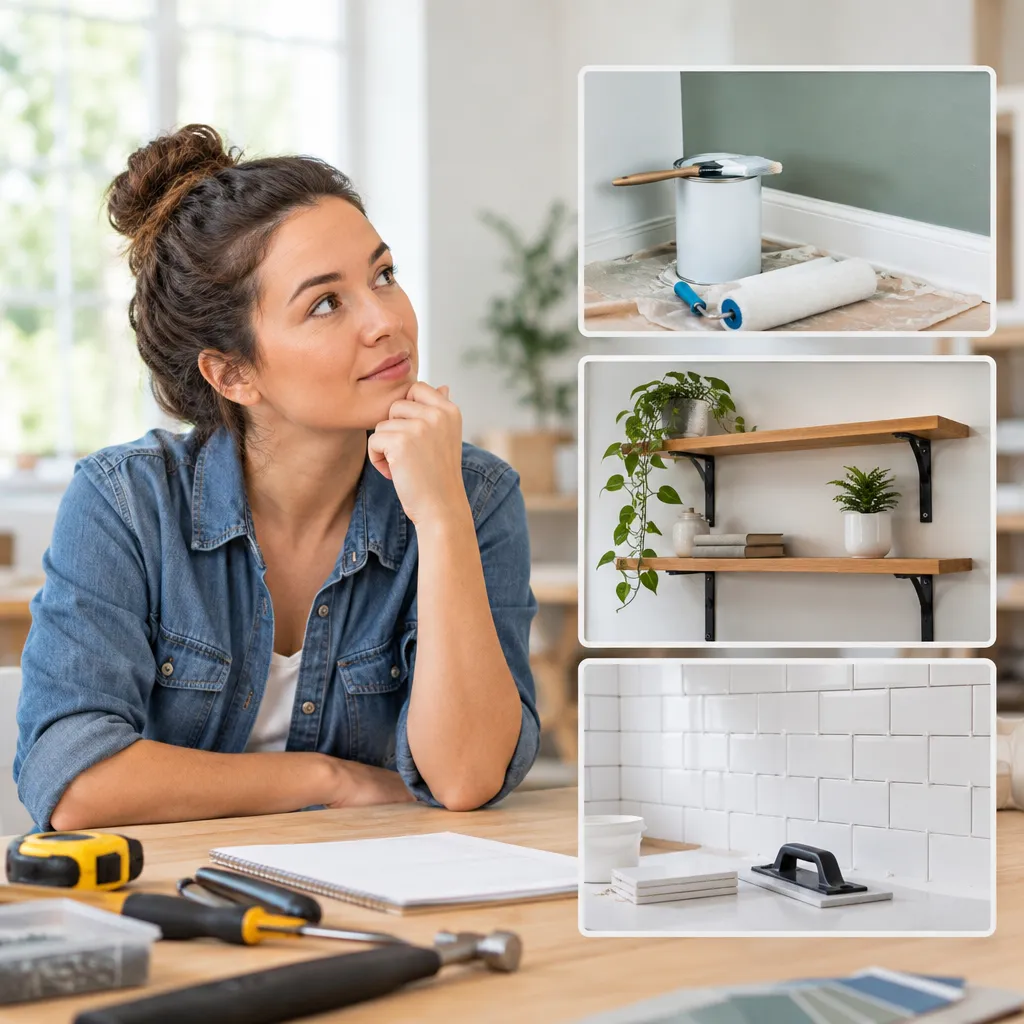
8. Choose a first project that fits your tools and skill level
Compare the preparation and risks before choosing among these beginner DIY projects around the house. Painting, replacing existing cabinet hardware, and small drywall patches usually call for basic tools; shelves and curtain rods require careful measuring and safe drilling. Weatherstripping and small caulk repairs depend on a sound, dry surface.
Start with a contained task and read product instructions before buying materials. Stop and consult a qualified professional for your specific situation if the work involves wiring, plumbing, structural concerns, suspected hazardous materials, or poor indoor air quality.
Beginner DIY Project FAQs
What are some fun DIY projects I can do around the house?
Try painting a room, replacing cabinet knobs, or hanging curtains—projects that let you make a visible change while practicing measuring, surface preparation, or careful tool use.
What are some easy DIY projects I can make at home?
Small drywall patches, new cabinet hardware, and weatherstripping can be approachable starting points when the surface is sound and you follow the material instructions.
What are some simple projects I can do at home?
Consider a small paint refresh, replacing existing cabinet pulls, or re-caulking a short, dry section of trim. Choose a task that fits your tools and experience.
What are some projects I can do around the house?
You can patch a small wall hole, paint a room, install a shelf, hang curtains, or improve a drafty door. Check for hidden services before drilling.
What are the easiest DIY home projects?
Projects that don’t require drilling or opening walls—such as replacing cabinet knobs with compatible hardware—are often a sensible place to begin.
Recommended next steps
Pick one small, clearly defined project, check the surface and work area, and make a materials list before starting. For broader guidance on planning home improvement do-it-yourself projects, use our beginner DIY project guide.