1. Add Wall-Mounted Shelves for Everyday Storage
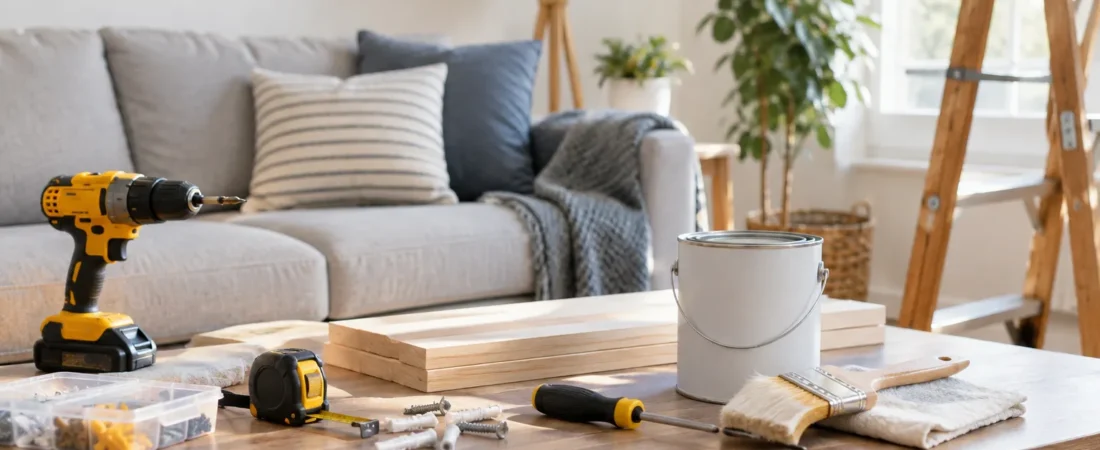
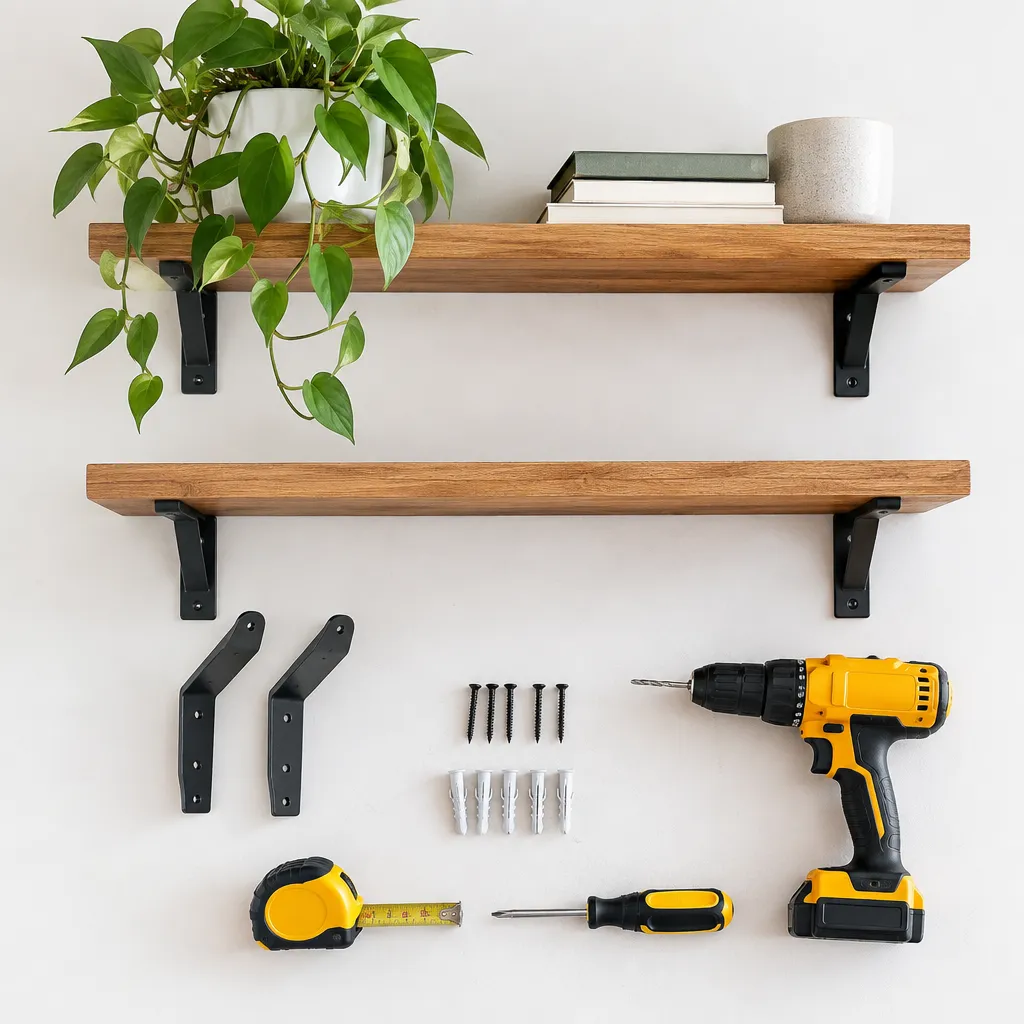
Shelves make useful storage out of open wall space. Choose a location that suits the items and leaves enough room to use them comfortably. Use a stud finder and level, and check carefully for concealed wiring and pipes before drilling. These simple DIY upgrades for homeowners are manageable with basic tools, but heavy loads need secure mounting.
For more DIY home project guides, start with the job that solves a daily annoyance, then check what the wall and the intended load require.
2. Seal Drafty Doors and Windows with Weatherstripping
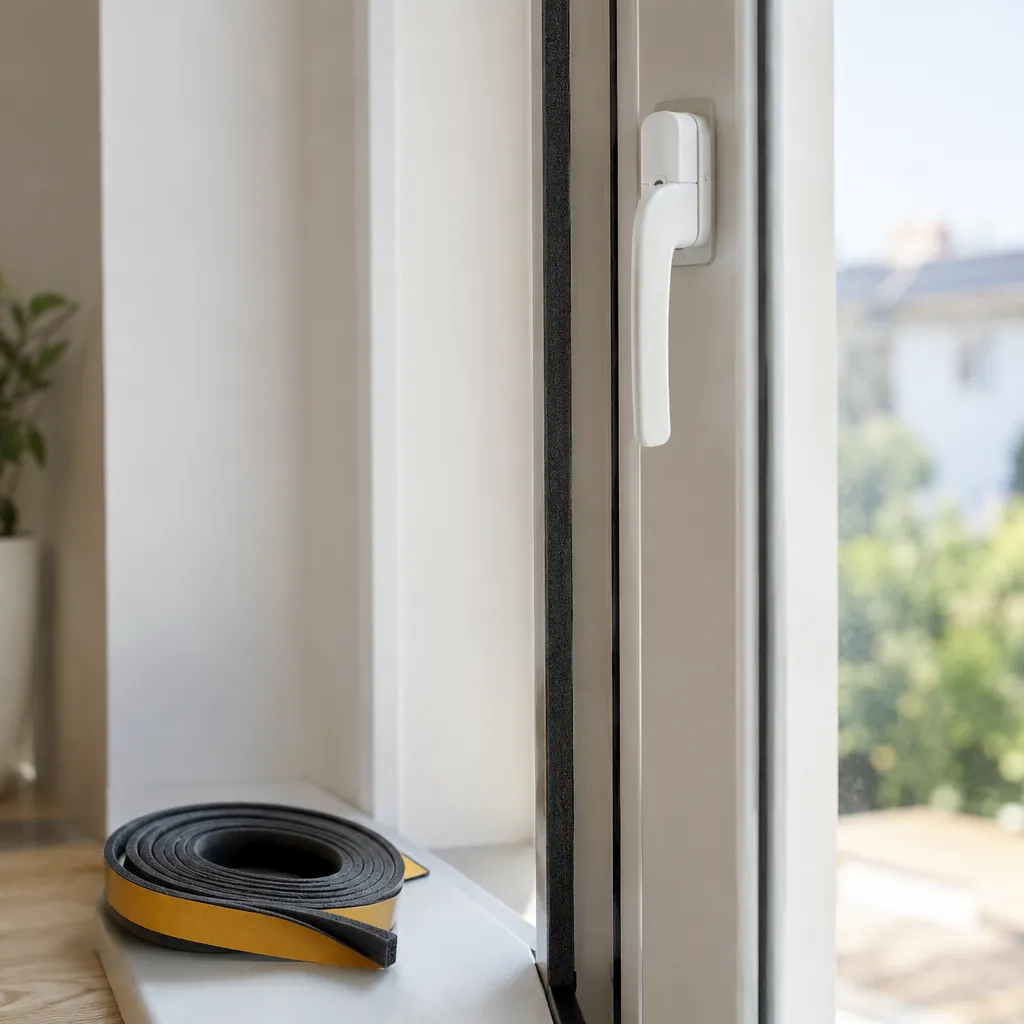
If you feel a draft, first check the edges of the closed door or window for gaps. Clean and dry the surface, then choose weatherstripping suited to the location and the way the window or door moves. Measure before cutting and test the fit so the door or window still closes properly.
This is a good starting point for beginner home improvement projects. If you find soft wood, water damage, or a deteriorated frame, weatherstripping alone may not address the underlying repair.
3. Replace Cabinet Knobs and Pulls for Easier Access
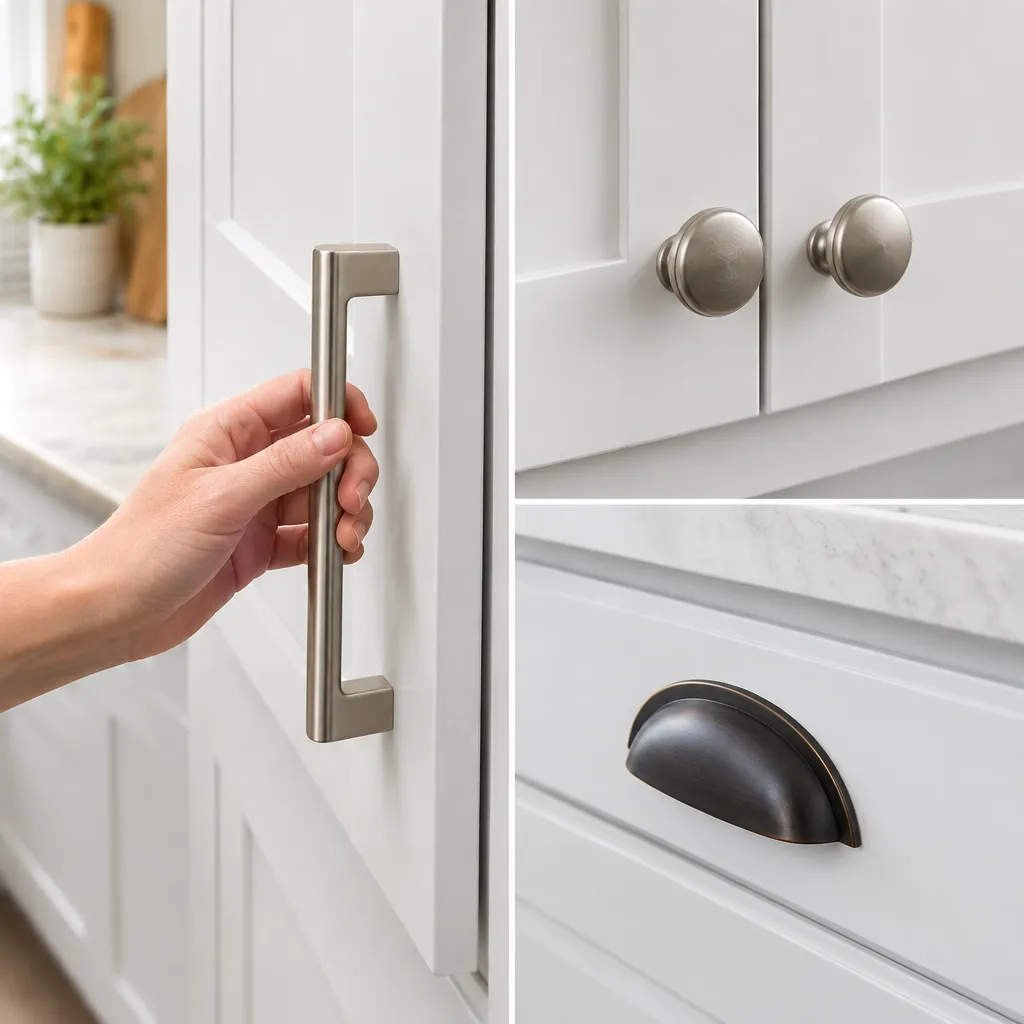
New cabinet hardware can make frequently used doors and drawers easier to grip. Measure the distance between existing screw holes before choosing replacements; matching that spacing usually avoids drilling. For new holes, measure and mark carefully, and use a drill stop or another depth-limiting method to help prevent drilling through the cabinet front.
If this small change is part of a broader refresh, review the planning considerations in DIY home renovation projects before expanding the scope.
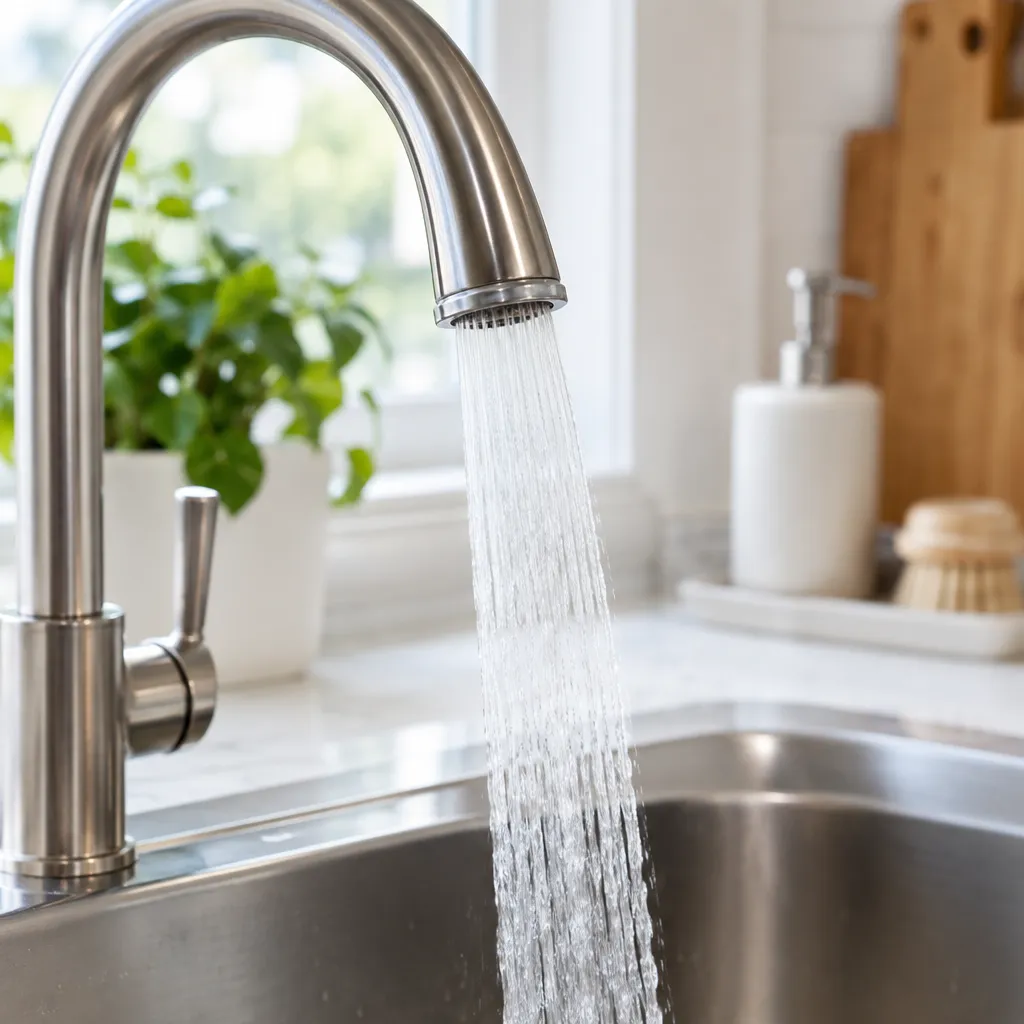
4. Improve Sink Flow with a Faucet Aerator
An aerator may be a straightforward way to adjust water flow at a compatible faucet. Check the faucet outlet and the aerator’s connection type before choosing one. If the existing aerator unscrews by hand, remove it carefully and fit the replacement without overtightening.
If the faucet must be taken apart beyond the outlet, shut off the water first. Stop if you find corroded or leaking connections; forcing them can turn a small task into a plumbing repair.
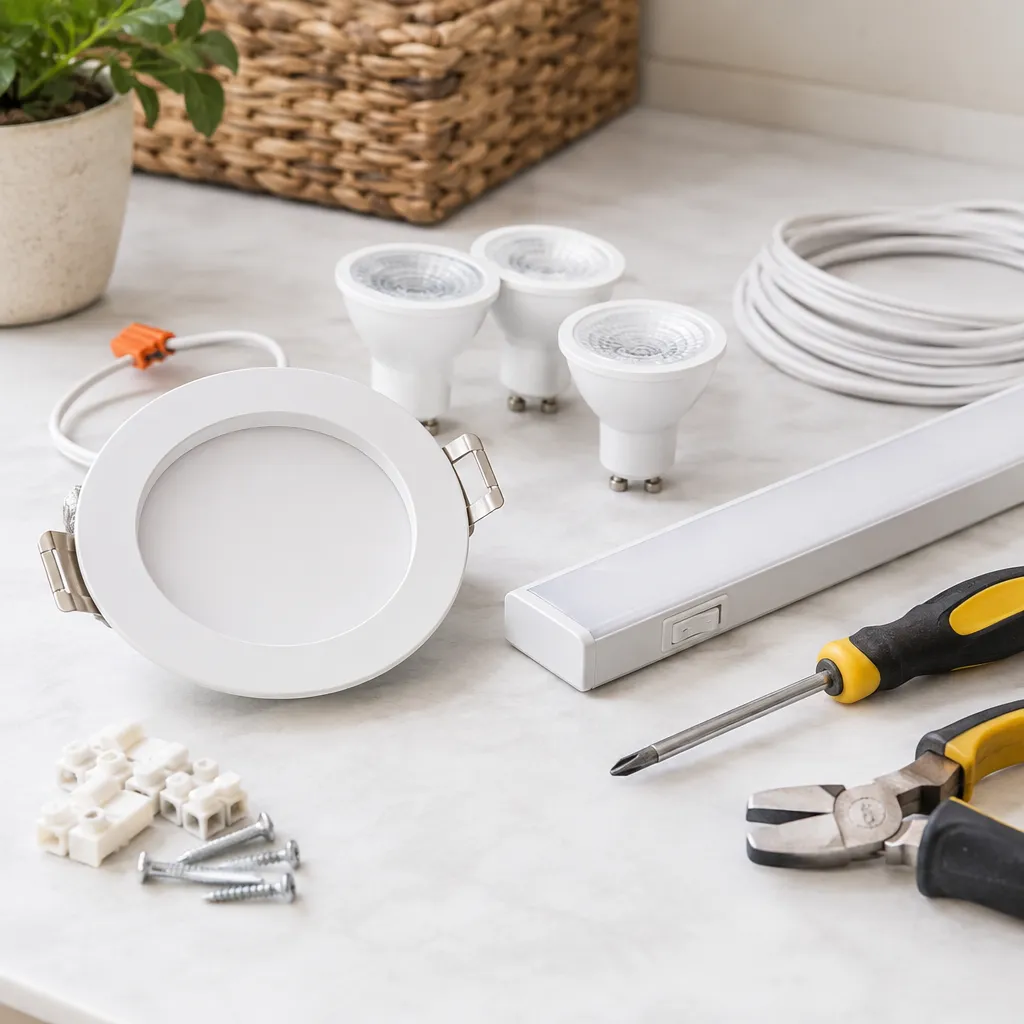
5. Make a Room Easier to Use with Better Task Lighting
Match lighting to the task: a plug-in lamp can brighten a reading spot, while an adhesive under-cabinet light can help illuminate a work surface. Plan where the light should fall, check that cords or batteries won’t create a snag, and follow the fixture’s installation instructions.
Avoid hardwired work unless you can safely isolate the correct circuit and verify that power is off. If you are unsure, choose a plug-in option or contact a qualified electrician.
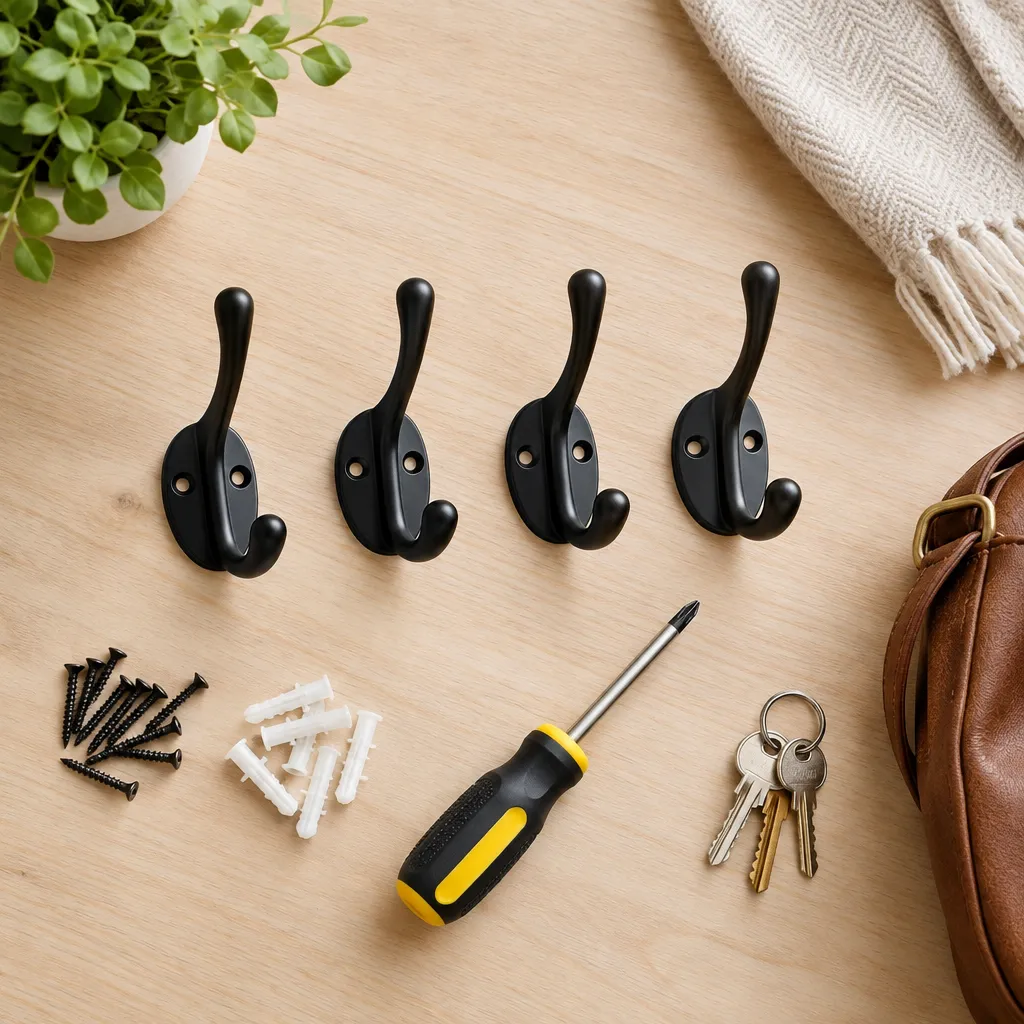
6. Mount Entryway Hooks for Coats, Bags, and Keys
Hooks can keep everyday items within reach and off a chair or floor. Choose a spot that works for everyone who will use them, measure the height, and check the wall for concealed wiring or plumbing before drilling. Secure the hooks to studs when possible; otherwise, use wall anchors appropriate for the wall and expected load.
This suits beginners who can measure and operate a drill safely. If you can’t confirm what’s behind the wall, don’t drill there.
More FAQs About Simple Home Upgrades
What are some easiest DIY home improvements for beginners?
Replacing cabinet knobs, adding weatherstripping, and setting up plug-in task lighting are practical beginner options. Start with a task that needs few tools and doesn’t involve wiring, plumbing, or damaged materials.
What are some budget-friendly DIY home improvement ideas?
Try rearranging a room, adding hooks, or replacing compatible cabinet hardware. Check what you already own and measure before buying materials to avoid waste or choosing parts that don’t fit.
What are 10 home upgrades that are not worth the money?
There’s no universal list: value depends on your home, budget, and needs. Be cautious about upgrades that solve no real problem, require extensive rework, or depend on unverified promises of savings or resale value.
What are some easy DIY projects for beginners?
Begin with small, reversible tasks such as organizing an entryway with hooks, adding a plug-in lamp, or replacing matching cabinet pulls. Read the instructions and check for hazards before starting.
How can I tell whether a wall is safe to drill into?
Check plans if available, inspect both sides of the wall, and use appropriate detection tools, but treat results as clues rather than guarantees. Avoid drilling where wiring or plumbing may run, and stop if you’re uncertain.
What basic tools should I have before starting a home upgrade?
A tape measure, pencil, level, screwdriver, and safety glasses cover many small tasks; a drill is useful for some installations. Choose tools for the specific job, and use any required safety equipment.
Do I need my landlord’s permission to make small DIY changes?
Check your lease and ask your landlord before drilling, changing fixtures, or making alterations that could affect the property. Removable options may reduce wall damage, but they don’t override lease terms.
When should I hire a professional instead of doing the work myself?
Get qualified help if a project involves uncertain wiring, plumbing leaks, structural damage, significant rot, or work you can’t safely complete. Pause rather than covering up damage or pushing ahead without understanding the cause.
Choose One Upgrade and Check the Risks First
Pick the upgrade that addresses a specific daily frustration, then confirm the measurements, materials, and tools before beginning. These DIY projects at home can be small in scope, but hidden wiring, plumbing, rot, or other damage may change the job. Stop and reassess if you uncover a hazard or the repair grows beyond what you can safely handle.