
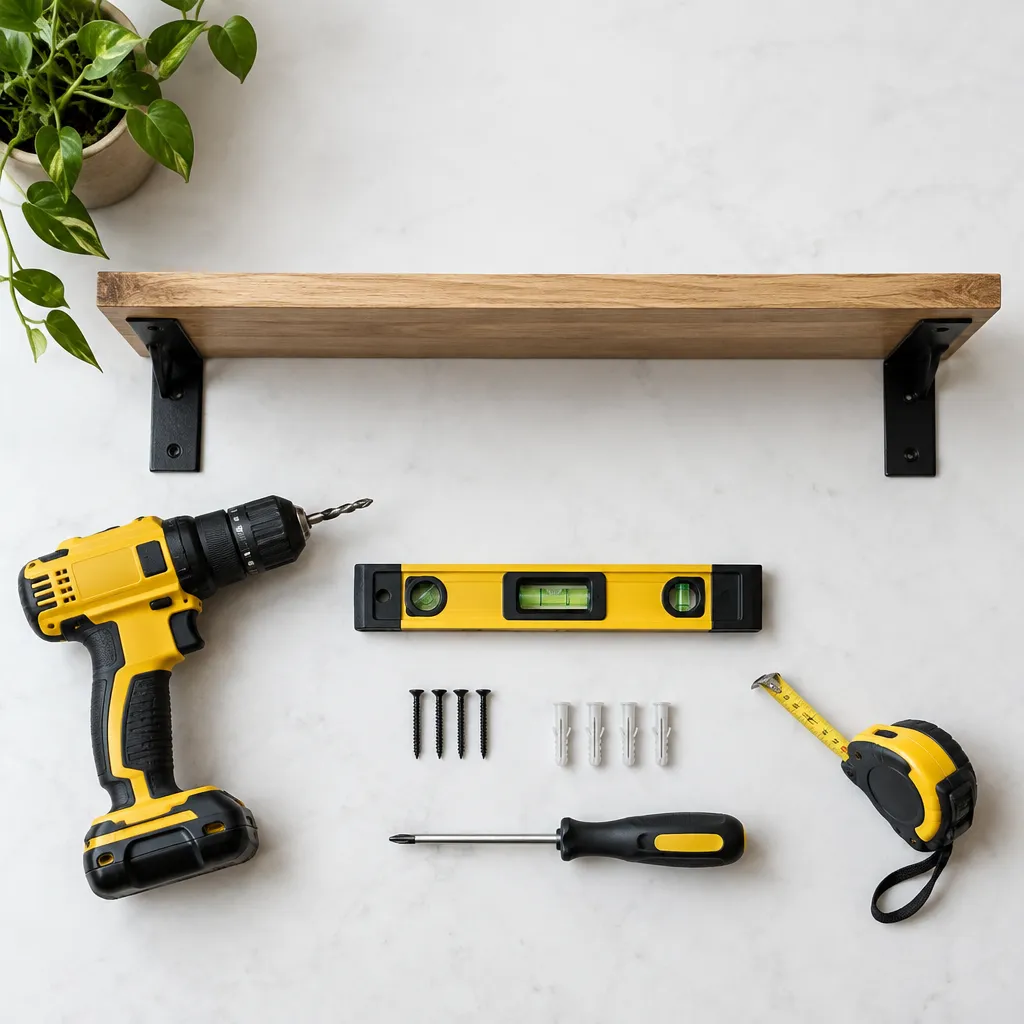
1. Add a Wall-Mounted Shelf for Everyday Storage
A shelf can add useful storage without a larger renovation. Choose a location away from likely plumbing and wiring routes, then use a stud finder to locate framing. Fasten into studs when possible; otherwise, choose wall anchors rated for the shelf and its expected load, and follow the anchor instructions.
For more home improvement guides, explore projects that suit your experience level. If you cannot confirm what is behind the wall or the shelf would hold heavy items, pause and get advice before drilling.
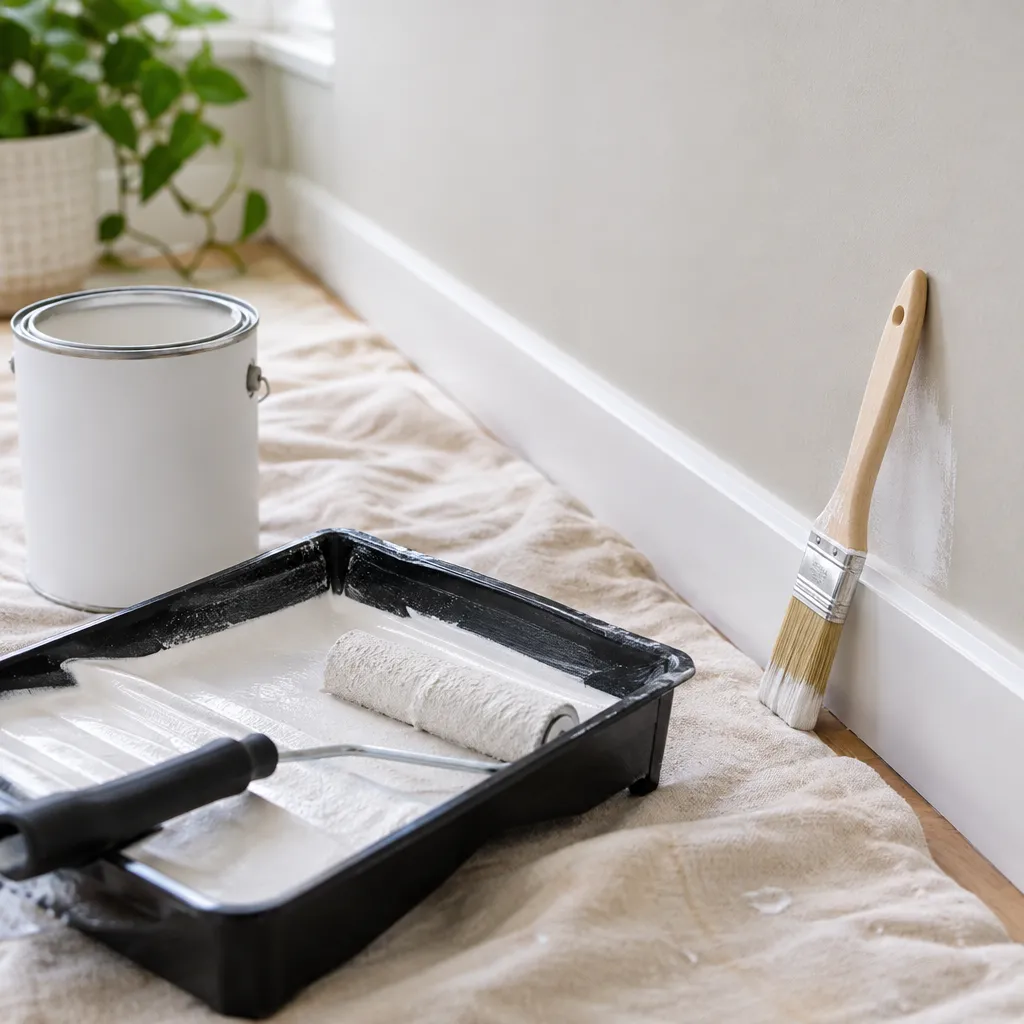
2. Refresh a Room With Careful Paint Touch-Ups
Paint touch-ups suit small, dry, sound areas. Clean the surface, let it dry, lightly prepare it as appropriate for the paint, and use a matching finish. Test a small patch first: even paint from the same color family can look different when it has aged or is applied over a different surface.
Peeling paint, recurring stains, or dampness are signs to investigate before repainting. Covering the symptom may hide a leak or other underlying problem. For help choosing a manageable task, see our beginner DIY project guide.

3. Update Cabinet Handles Without Replacing the Cabinets
Replacing handles is a contained update when the cabinet material is sound. Measure the distance between the existing screw holes, then choose hardware with matching spacing. Remove one handle, fit the replacement, and tighten the screws without overtightening, which can damage the door or drawer front.
Check for swelling, soft spots, or crumbling around the holes first. Those signs may point to moisture damage that new hardware will not fix; address the cause before installing replacements.

4. Seal Drafts With Door and Window Weatherstripping
If you feel air moving around a closed door or window, inspect the edges and identify where the gap is before choosing weatherstripping. Clean and dry the surface, select a type that suits the location and gap, and apply it according to the package directions without obstructing the door or window.
Drafts around a loose or damaged frame are different from ordinary gaps. Persistent moisture, soft wood, or visible frame damage calls for investigation before sealing; weatherstripping is not a repair for rot or a leak.
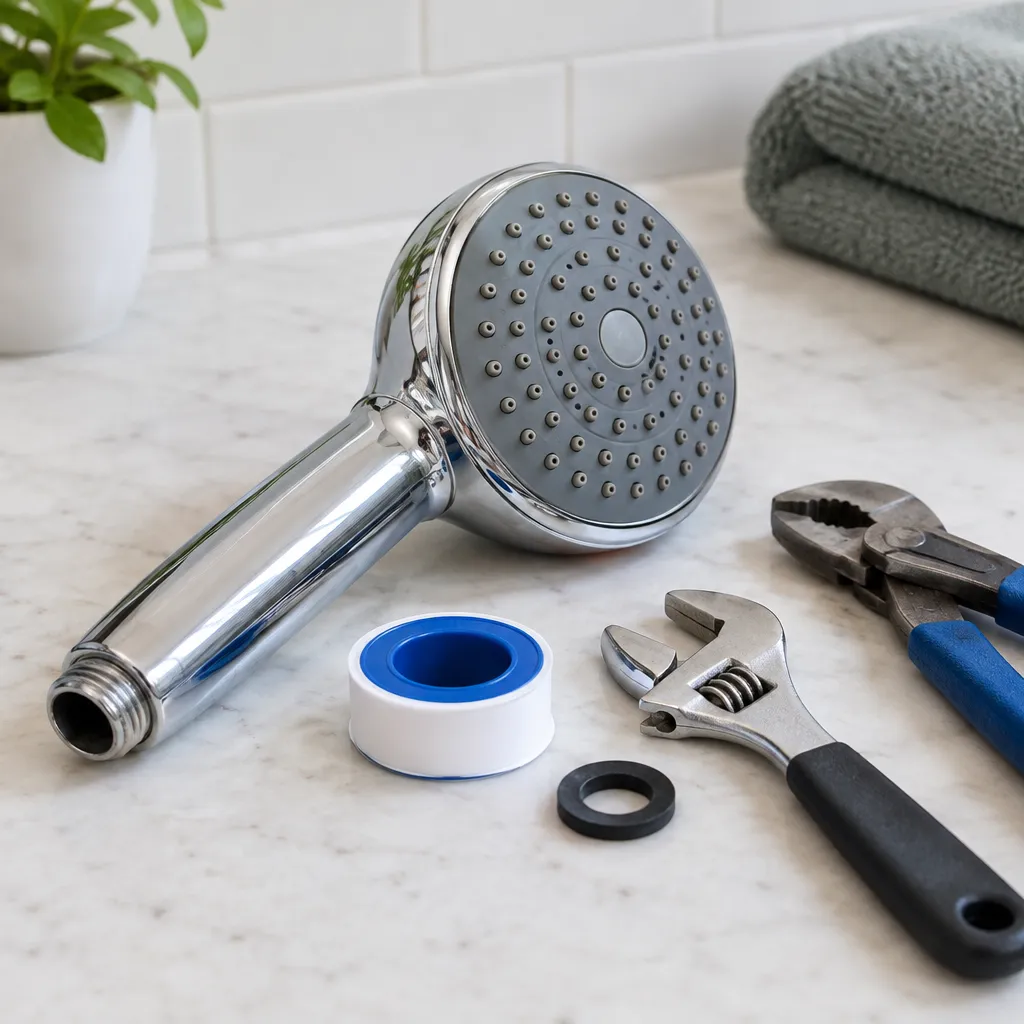
5. Replace a Showerhead and Check for Leaks
A showerhead swap is a reasonable small project if the fitting is accessible and in good condition. Protect the finish, remove the old head carefully, and follow the new one’s instructions for the connection. Turn on the water and check the joint for leaks while the shower runs.
Stop if the fitting is badly corroded, resists careful removal, or water appears to come from behind the wall. Forcing a stuck connection or ignoring a concealed leak can expand the job beyond a simple replacement.
Beginner DIY FAQ
What are some budget-friendly home improvements I can do?
Paint touch-ups on sound, dry surfaces, replacing compatible cabinet handles, and adding a small shelf can improve daily use without a full renovation. Check what tools and materials each task needs before starting.
Is there an app for DIY projects?
Yes. DIY planning and reference apps can help organize tasks, measurements, and photos, but they do not replace project-specific instructions or an in-person assessment when you find damage.
What are 10 home upgrades that are not worth the money?
There is no universal list: value depends on the home, the problem, and your plans. Be cautious about upgrades that do not solve a real need, require costly rework, or cover damage instead of fixing its cause.
What tools should a beginner have for small home projects?
Start with tools suited to the jobs you plan to do, such as a tape measure, level, screwdriver set, utility knife, and safety glasses. Add specialized tools only when a project calls for them.
How can I tell whether a wall is safe to drill into?
Check for likely wiring or plumbing routes and use suitable detection tools, but do not treat a scan as a guarantee. If you cannot confidently rule out hidden services, do not drill there.
When should I stop a DIY project and call a professional?
Stop when you uncover rot, persistent moisture, hidden leaks, damaged wiring, or structural movement, or when the work requires skills or permissions you do not have. Secure the area and get qualified help.
How do I estimate the time a small home improvement project will take?
List the steps, setup, drying or curing time, cleanup, and likely shopping trips. Leave room for surprises, and avoid assuming a project will fit into one session if it could reveal hidden damage.
What safety gear should I use for beginner home improvement work?
Choose protection for the task: safety glasses for cutting or drilling, gloves when appropriate, and a suitable dust mask or respirator when the material and product instructions call for one. Follow tool and material labels.
Choose One Small Project and Check the Scope First
Pick one task that matches your available tools, time, and confidence rather than starting several at once. Before work begins, inspect the area for moisture, loose material, or damage and decide what would make you stop. If the scope changes, reassess before spending more time or materials.