
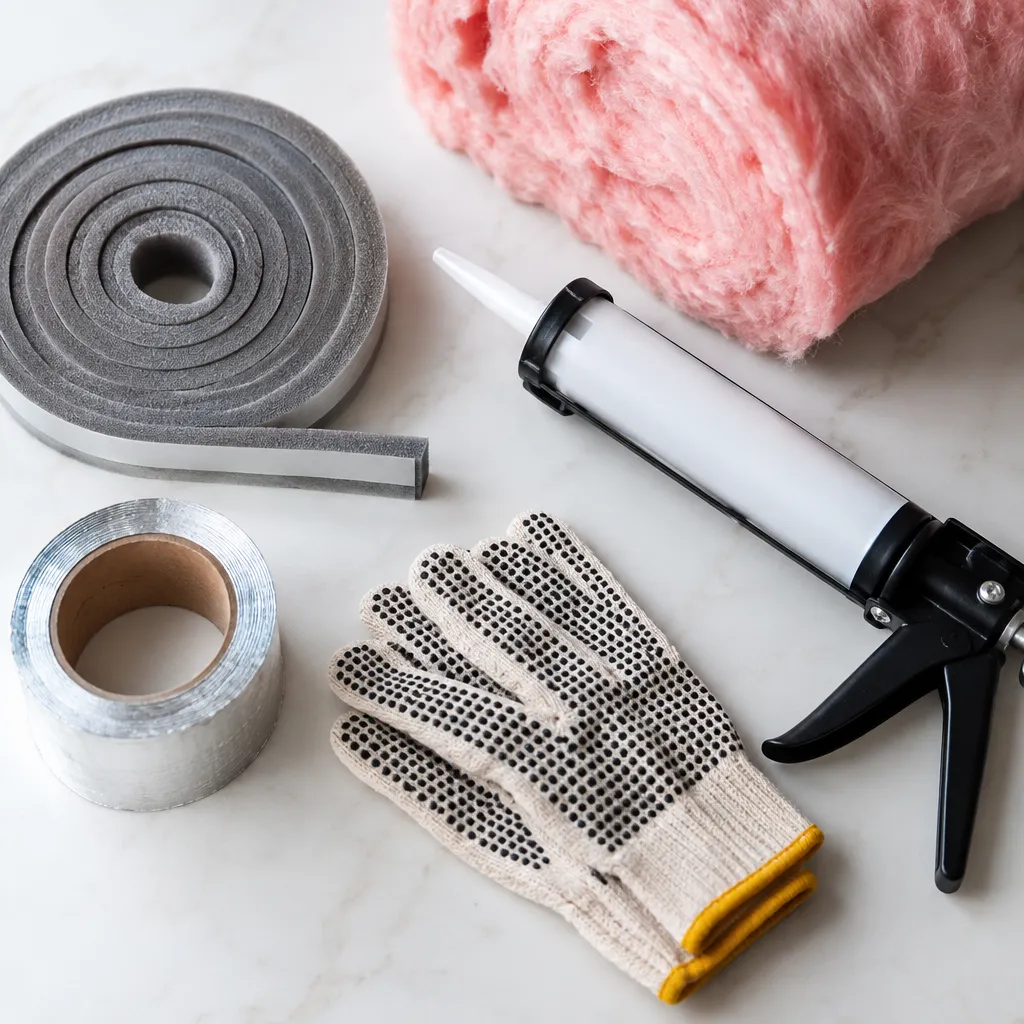
1. Seal drafts and improve insulation for everyday comfort
For chilly rooms or noticeable drafts, start with weatherstripping around movable doors and windows, or caulk small gaps around stationary trim. These are relatively contained projects when the surfaces are sound and accessible. For more practical home improvement guides, compare the likely source of the draft with the repair before buying materials.
Targeted insulation may help where an accessible area is under-insulated, but insulation work can involve moisture, ventilation, or hazardous older materials. Stop if you find water damage, signs of pests, or material you cannot identify. Ask a qualified professional to assess those conditions rather than sealing them in.

2. Upgrade lighting with efficient fixtures and smart controls
If a room feels dim or inconvenient to use, consider the simplest change first: replace an appropriate bulb, then assess whether a fixture, dimmer, or compatible smart control would address the remaining need. Check the fixture and control labels for compatibility, and make sure the controls suit how the room is used.
Replacing a fixture or switch means working with household wiring. Turn off the correct circuit and verify it is de-energized before any permitted DIY work; stop if the wiring, box, or circuit is unfamiliar or damaged. Our About page explains the practical home-improvement focus behind our guides.

3. Add pull-out storage to make kitchen cabinets easier to use
Pull-out shelves or organizers can make hard-to-reach cabinet contents easier to access without replacing the whole kitchen. Before choosing one, measure the cabinet opening and interior depth, and check for hinges, plumbing, or other obstructions that could interfere with the moving parts.
This is often a manageable DIY project when the cabinet is sturdy and the hardware fits, but careful measuring and accurate installation matter. If a cabinet is loose, water-damaged, or out of square, address that first. Keep routine home care on your list too, including air conditioner maintenance.

4. Refresh a bathroom with targeted comfort upgrades
For a focused bathroom update, compare a replacement showerhead, a compatible bidet seat, or an exhaust-fan timer based on the problem you want to solve. Check connection and fixture compatibility before purchasing; a small upgrade is only straightforward when the existing plumbing or electrical setup supports it.
A showerhead change may involve basic tools, while a bidet seat needs a suitable nearby water connection and, for some models, electrical access. Replacing or wiring a fan timer can require electrical work. If you find a leak, damaged wiring, or poor ventilation that persists, pause and get the underlying issue assessed.
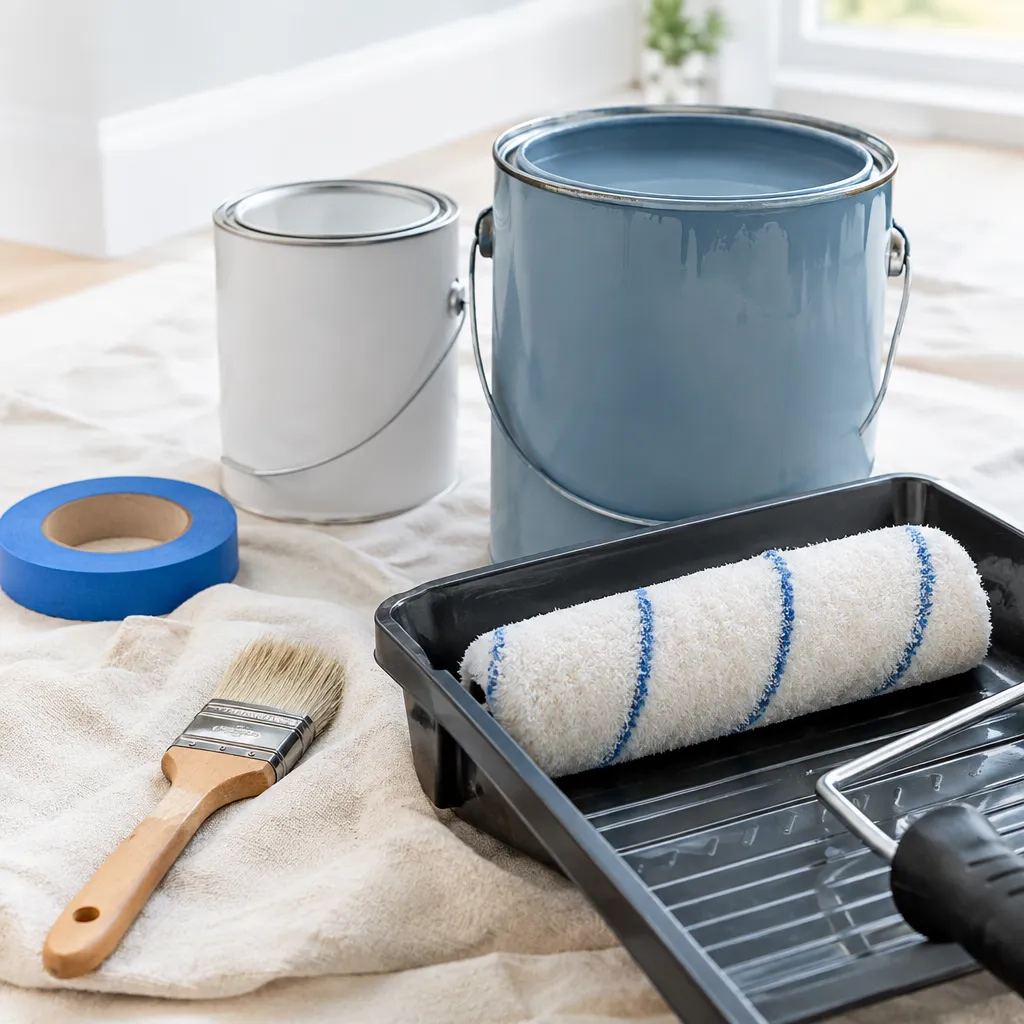
5. Paint a high-use room for a visible home improvement
Painting a frequently used room can make a noticeable visual change without altering its layout. Choose the scope before starting: walls are generally less involved than trim or cabinets, which need more detailed preparation. Clean and repair surfaces, protect floors and furnishings, and follow the coating label for application and drying guidance.
DIY can suit a room with sound surfaces and manageable prep; extensive peeling, water stains, or damaged wood may signal a repair beyond painting. For a larger or detail-heavy job, compare the work involved in preparation and cleanup with the cost of hiring help. Paint will not fix the moisture source behind a stain.
Home Improvement FAQs
Why did the TV show Home Improvement end?
The show ended after its eighth season in 1999. Its cast and producers chose to conclude the series rather than continue with another season.
Which former Home Improvement star is in jail?
News about an actor’s legal status can change, so check current, reliable reporting before relying on an old search result. A past arrest or charge does not by itself establish someone’s present status.
Is the TV show Home Improvement coming back?
There is no confirmed return to treat as scheduled unless an official announcement says otherwise. Check current announcements from the show’s rights holders or cast representatives for updates.
How old was Tim Allen during the filming of Home Improvement?
Tim Allen was in his late 30s when the show began filming and in his mid-40s by its final season. His age changed over the series’ eight-season run.
How should I prioritize home improvement projects on a limited budget?
Address safety issues and active water damage first, then prioritize problems that affect daily comfort or function. Compare the full scope, materials, and likely follow-on repairs before committing money.
Which home improvement projects are usually suitable for DIY?
Painting, basic weatherstripping, and installing compatible cabinet organizers can suit DIYers when the surfaces are sound and the instructions are clear. Electrical, structural, or concealed-water problems call for greater caution and may need a licensed professional.
When should I hire a licensed contractor for a home improvement project?
Hire a licensed contractor when work involves structural changes, substantial electrical or plumbing work, permits, or damage you cannot confidently diagnose. Check local licensing requirements, insurance, references, and the written scope before agreeing to work.
Do I need a permit for common home improvement projects?
Permit rules depend on your location and the project. Cosmetic work may not require one, but structural changes and some electrical, plumbing, or mechanical work often have local requirements; check with your building department before starting.
Choose the project that fits your needs and skill level
Pick the improvement that addresses a specific, recurring problem—not just the one that looks quickest. Before starting, write down the intended result, materials, tools, preparation, and any likely hidden work. If the scope changes or you uncover damage, pause and reassess instead of spending more to push ahead blindly.