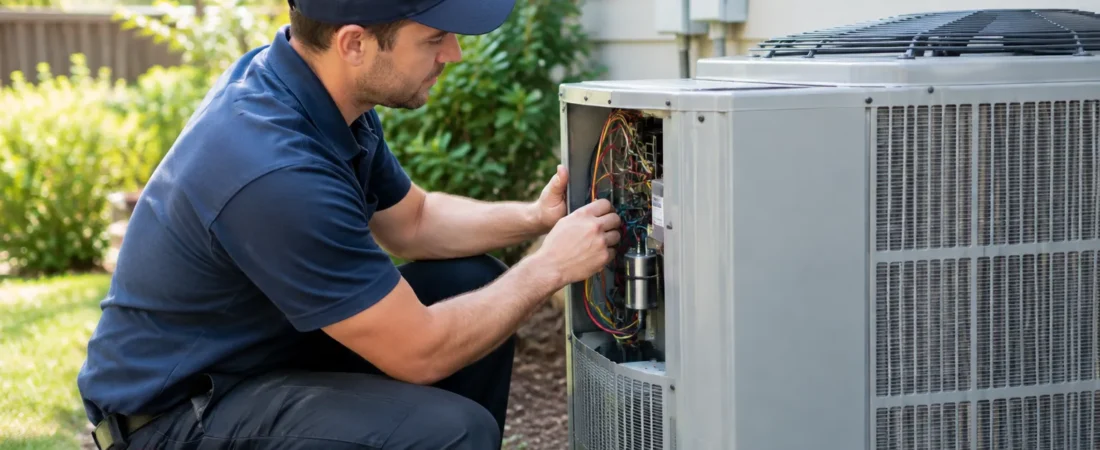
AC HVAC repair begins with a few homeowner checks: confirm the thermostat, inspect the filter, clear airflow paths, and note the symptoms without opening sealed equipment. If those checks do not resolve the problem—or you see a warning sign—prepare the details for a qualified HVAC technician.
Identify What the AC Is Doing
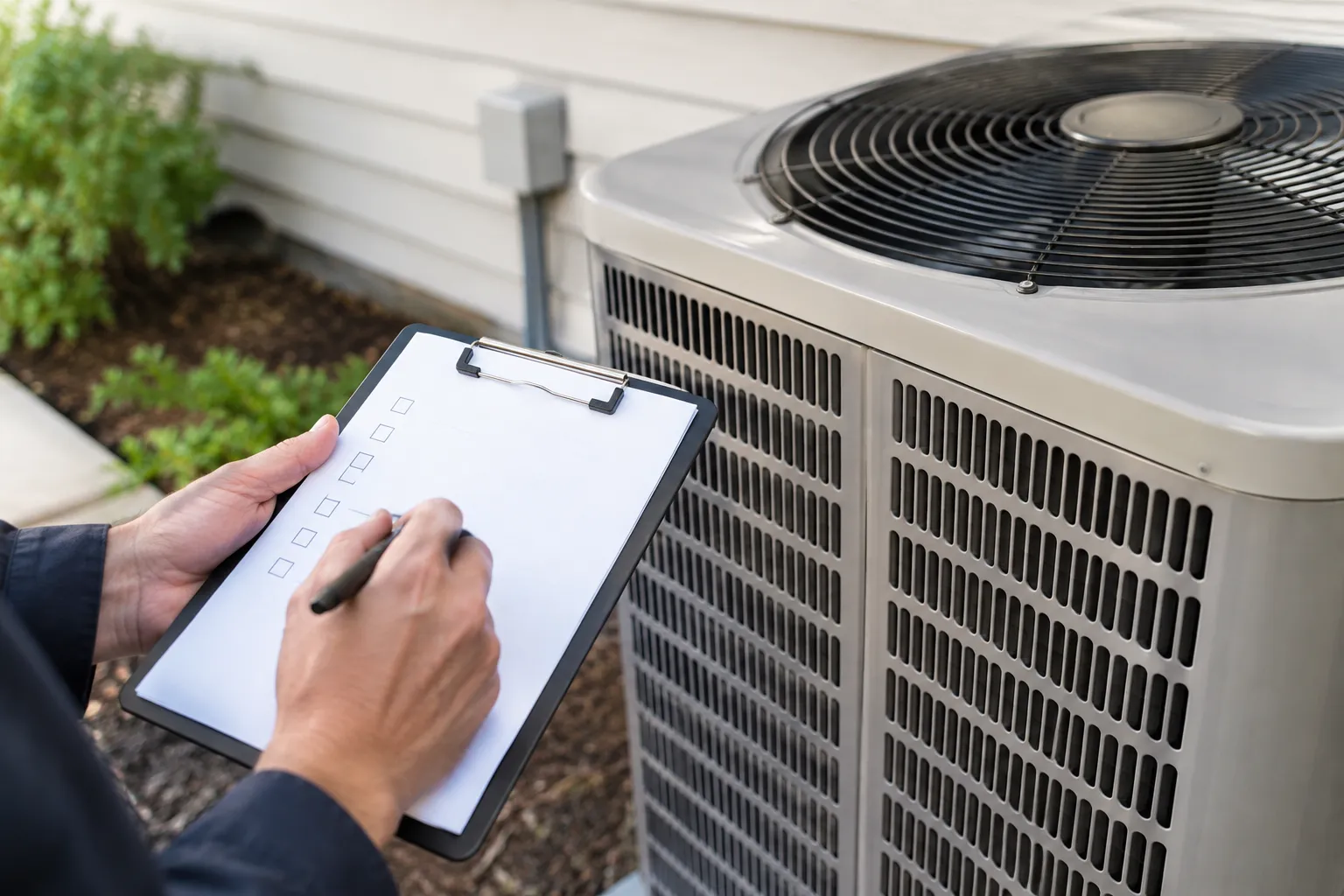
Start by describing the exact cooling problem: whether the system has no airflow, weak airflow, warm air, or frequent on-and-off cycles. A clear symptom helps you choose safe first checks and explain the issue when requesting AC HVAC repair.
Notice whether the problem affects the whole home or just one room. Check whether the indoor unit seems to run, whether air comes from the vents, and whether the system starts and stops repeatedly. You do not need to diagnose the cause; you are gathering useful observations.
If airflow is present but the home is not cooling as expected, record when the problem began and whether it changes over time. If the AC runs briefly and stops, note how often that happens and what the thermostat displays. Avoid repeatedly changing settings while trying to identify a pattern.
Separate what you observe from what you suspect. “Little air comes from the bedroom vent” is more useful than “the duct is broken” unless you have confirmed the cause. For general home repair and maintenance guidance, browse home repair and maintenance guides.
Check Thermostat Settings and Breaker Status
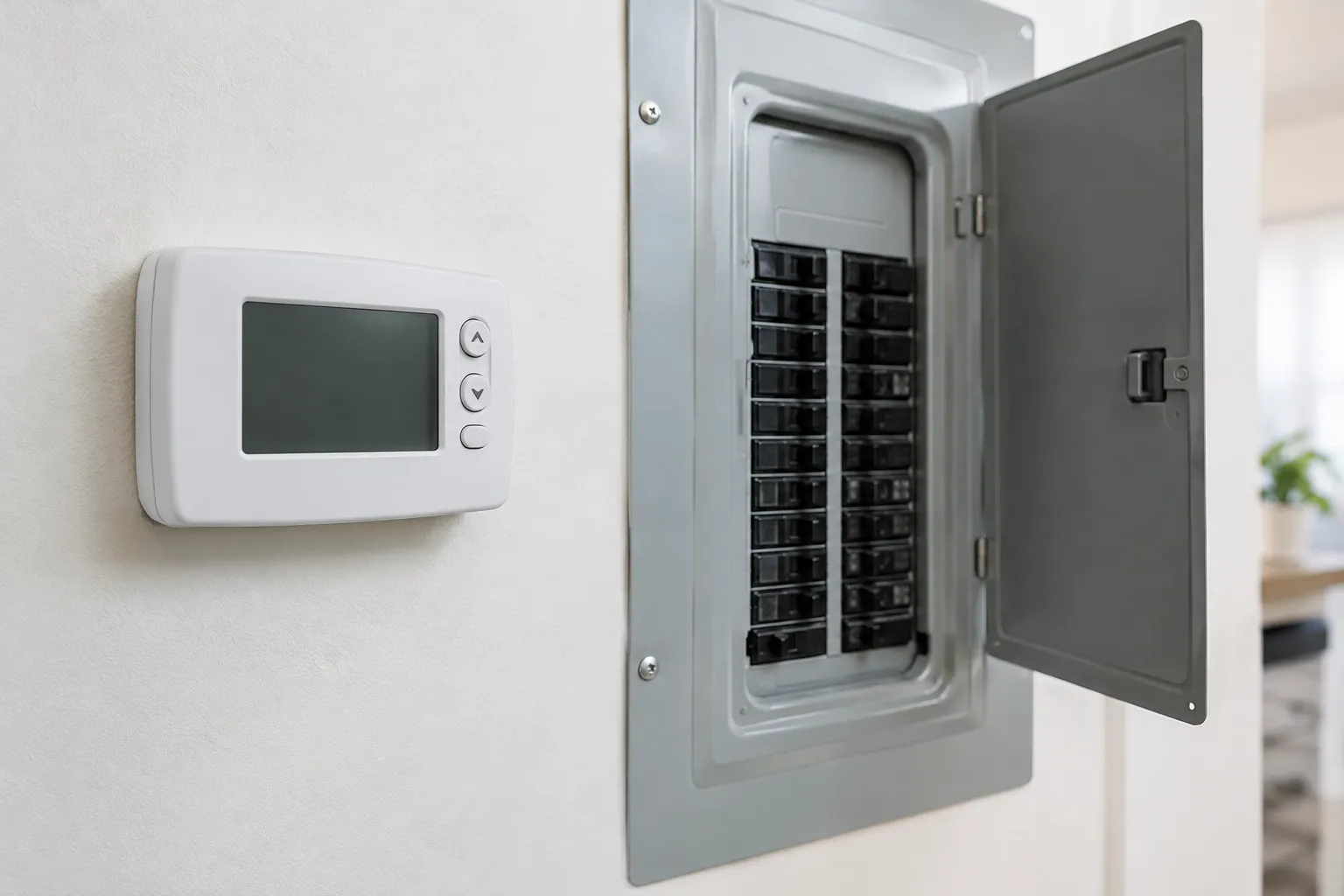
Confirm that the thermostat is set to cooling, the temperature setting is below the current room temperature, and any applicable batteries are working. Then check the circuit breaker once, without opening equipment or repeatedly resetting a breaker that trips again.
A thermostat can be set to the wrong mode or temperature after a household schedule change. Check the display and settings, and consult the thermostat instructions if a control is unfamiliar. If the unit uses batteries, replace them according to its instructions when the display indicates they are low or the thermostat is unresponsive.
If the thermostat appears correctly set, look at the electrical panel for a tripped breaker. Only operate a breaker you can identify and reach safely, with the panel cover in place. Do not remove covers or touch wiring. If the breaker trips again after a reset, leave it off and contact a qualified professional; repeated resets can expose a continuing electrical or equipment problem.
Do not keep switching the system on and off to test it if doing so causes a breaker to trip, produces unusual sounds, or brings on a burning smell. Record what happened and when. If you are unsure which breaker controls the system, do not guess.
Inspect the Filter and Clear Airflow Paths
Check the filter if it is accessible and replaceable, and make sure supply vents and return grilles are not blocked. A dirty filter or obstructed grille can restrict airflow, but checking these items does not require opening sealed HVAC equipment.
Turn the system off before removing an accessible filter. Follow the instructions on the filter or in the equipment manual for its size, direction, and replacement guidance. Do not force a filter into place or operate the system without one if the equipment instructions call for a filter.
Move furniture, curtains, rugs, or stored items that cover supply vents or return grilles. Check more than one room: a blocked return grille can affect airflow across the system, while a closed or covered supply vent can leave one room uncomfortable. Keep the area around vents clear rather than trying to adjust hidden ductwork.
ENERGY STAR recommends checking air filters monthly and includes pre-season checkups and maintenance items for air conditioners and heat pumps in its maintenance checklist. Follow the equipment maker’s instructions for the correct filter and service. If airflow remains weak after the accessible checks, do not reach inside the unit or remove panels to investigate.
Know When to Stop Running the AC
Turn the AC off and arrange professional help if you notice a burning smell, unusual noise, visible icing, a water leak, or a breaker that trips again after one reset. These signs may indicate a problem that continued operation could worsen.
A burning odor or repeated breaker trip warrants stopping the system rather than trying additional resets. If you hear a new grinding, banging, or persistent rattling sound, switch the unit off and describe the noise and when it occurs. Do not remove a panel to search for its source.
If you see ice on accessible equipment or refrigerant lines, turn the system off and request service rather than scraping or chipping the ice. A visible water leak also calls for attention: shut the system down if water is reaching electrical equipment or creating an immediate hazard, and keep clear of wet electrical components.
Do not open sealed equipment to investigate. Refrigerant work has specific requirements: the EPA explains that technicians who service equipment in ways that could release refrigerant must meet Section 608 certification requirements. Use a qualified professional for work involving the refrigerant circuit, and do not attempt to add refrigerant yourself.
When to Request AC HVAC Repair
Request AC HVAC repair when the basic checks do not resolve the cooling problem, or sooner if a warning sign makes continued operation unsafe. Share the symptoms, when they began, thermostat settings, and checks you already completed.
Before contacting a repair provider, write down:
- Whether the system has no airflow, weak airflow, warm air, or repeated cycling.
- When the problem started and whether it happens continuously or intermittently.
- The thermostat mode and set temperature when you noticed the issue.
- Whether you checked an accessible filter or cleared blocked vents and return grilles.
- Whether the breaker tripped, and whether it tripped again after one reset.
- Any unusual sound, burning smell, visible ice, or water near the equipment.
Be specific about what you observed and avoid guessing at the failed part. If the problem appears only in one room, say so; if it affects the entire home, include that detail. Mention any steps you did not take because they seemed unsafe or required opening the equipment.
When discussing the next step with a service provider, ask what the proposed diagnostic visit or repair covers, whether additional work may be recommended after inspection, and what costs require approval before work begins. Compare written details rather than relying only on a broad description such as “AC repair.” For information about the site’s practical project guidance, see DIY project guides.
Recommended next steps
Move from simple checks to a clear repair request in order, and stop sooner if the system shows a warning sign. Keep your notes factual so the next person can understand what the AC is doing without repeating unsafe tests.
- Record whether the system has no airflow, weak airflow, warm air, or repeated cycling.
- Confirm the thermostat mode, set temperature, and battery status if applicable.
- Check an accessible filter and clear blocked supply vents and return grilles.
- Inspect the breaker once, and leave it off if it trips again.
- Turn the AC off if you notice burning, unusual noise, visible icing, or water near electrical equipment.
- Contact a qualified HVAC professional with your symptom notes and the checks you completed.
For more maintenance and repair topics, visit home improvement advice.