1. Choose a Project That Fits Your Skills and Goals
Start with the issue that matters most, not the project that looks most appealing. For home improvement do it yourself projects, address active water intrusion or damage before cosmetic updates, then weigh the task against your experience, available time, and comfort with the tools involved.
Write down what the project should improve and what you can realistically take on. Browse our home improvement guides for related planning and repair advice, but confirm that any project instructions fit your home’s conditions.
2. Define the Work and Set a Realistic Scope
Describe the finished result in one sentence, then list the tasks needed to reach it. A clear scope helps keep diy projects for home improvements from expanding into extra work before you have checked the time, skills, and materials required.
For example, “replace a damaged interior door” is more specific than “fix the hallway.” Note what is not included, too. If removing trim reveals rot or a leak, pause and reassess rather than covering the damage or continuing with the original plan. For a broad overview, see our DIY projects home improvement guide.
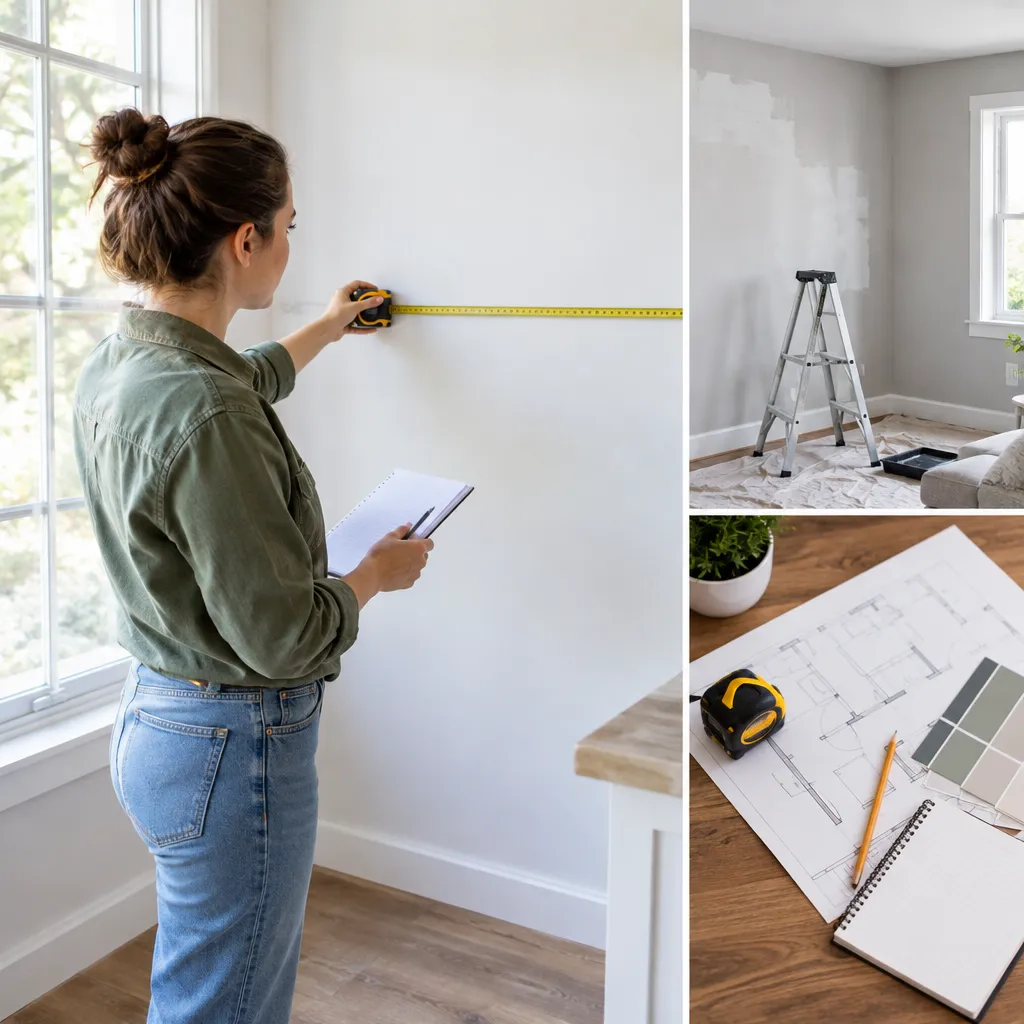
3. Measure the Space and Record What Needs to Change
Record the dimensions and existing conditions that affect the job before buying materials. Measure relevant lengths, widths, and clearances, and write down where surfaces meet or where doors, windows, fixtures, and appliances need room to move.
Take photos and label your measurements so you can compare them with product instructions and material requirements. Measure more than once, especially before cutting or ordering. If you find soft, damp, cracked, or visibly damaged material, document it and investigate the cause before treating it as a simple surface repair.

4. Check Permits, Building Rules, and Professional Boundaries
Verify local permit requirements and building rules before starting work that changes a home’s structure or systems. Requirements vary by location and project, so contact your local building department rather than assuming a task is exempt.
Identify work that may involve structural changes, electrical wiring, plumbing lines, gas, or complex HVAC systems. Do not proceed if you cannot identify hazards or understand the required method. A qualified professional should be consulted for your specific project when safety, permits, code compliance, or hidden damage is uncertain.
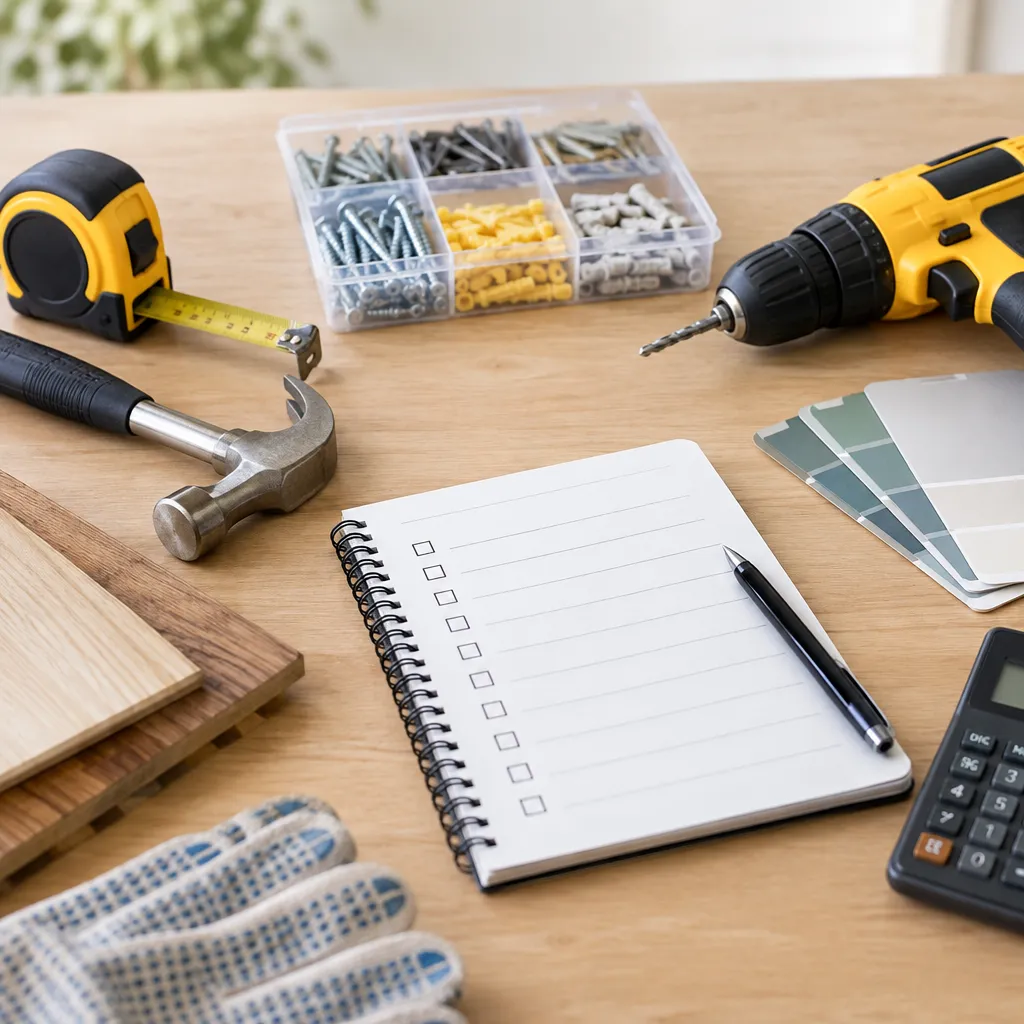
5. Build a Materials, Tools, and Cost Checklist
Turn your measurements and task list into a complete checklist before shopping. Include materials, fasteners, tool needs, protective equipment, disposal, and any work that may require outside help; compare the list with the product instructions for the materials you plan to use.
Check what you already own and identify tools you would need to borrow or rent. Estimate costs from current local listings, and leave room in your plan for unexpected repairs. Avoid buying materials based on guessed dimensions or assuming a visible surface covers sound material underneath.
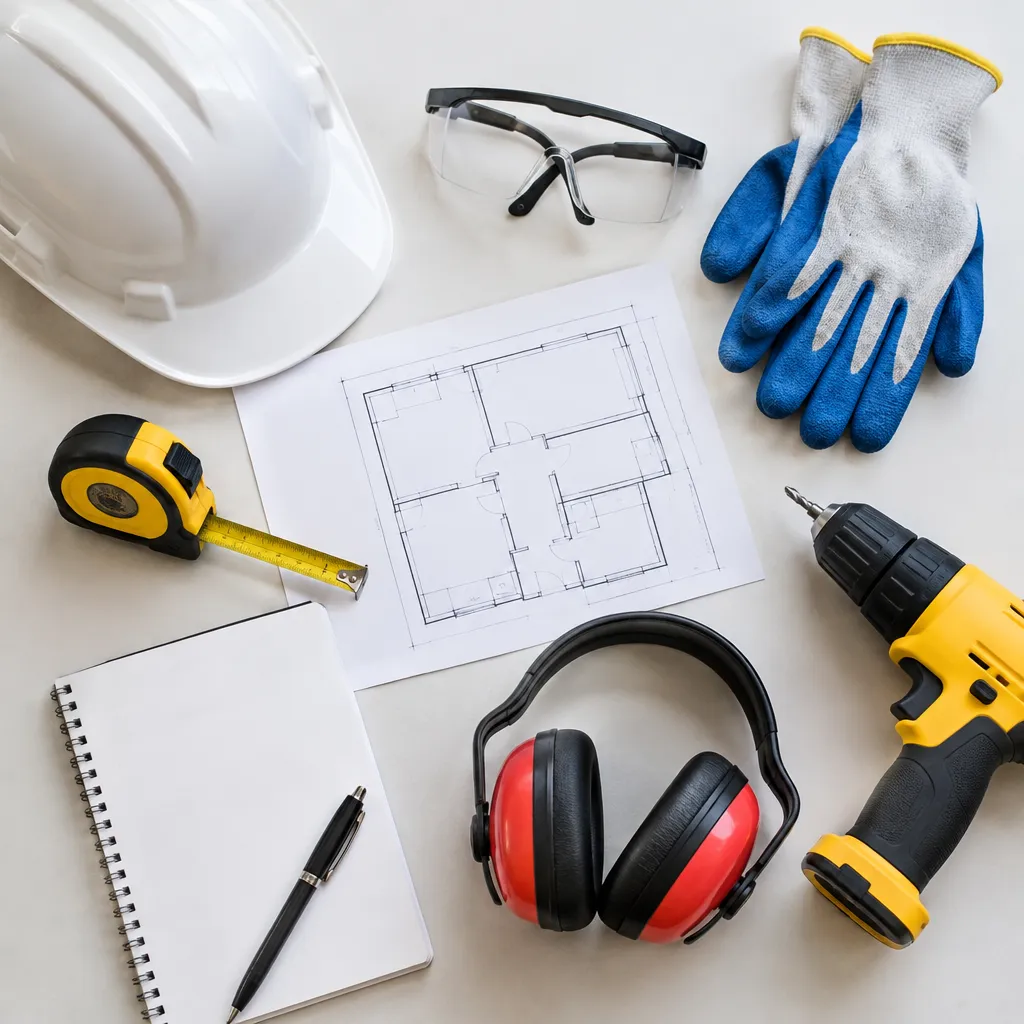
6. Prepare the Work Area and Plan for Safety
Clear and protect the work area, then review tool instructions and arrange suitable protective gear before beginning. Keep walkways clear, secure loose items, and plan where materials and debris will go so the work zone does not create new hazards.
Find out whether utilities could be affected by the work, and use appropriate methods to confirm their locations before cutting, drilling, or opening a wall. Follow tool and material labels. Stop if the conditions differ from your plan, such as an unexpected wire, pipe, leak, or damaged framing.

7. Review the Plan Before You Start Work
Do a final check that your measurements, scope, materials, tools, safety preparations, and permit questions are addressed. Make sure you know the first task and the point at which you will stop to reassess rather than continue through uncertainty.
Check that the work can pause safely if you uncover damage or need advice. For diy projects for home improvements, a clear stopping point is part of the plan—not a failure. If the actual conditions exceed your skills or the work may affect a building system, seek qualified help before proceeding.
FAQ
What is the easiest DIY home renovation project?
A small cosmetic update, such as painting a room, can be a manageable starting point if the surfaces are sound and you can prepare and ventilate the space appropriately. Choose a task that does not require changing structural components or home systems.
What are some good DIY projects I can do at home?
Good choices depend on your skills and the home’s condition; consider simple painting, replacing cabinet hardware, or organizing storage. Check the project’s tools, materials, and safety requirements before committing.
What home renovation projects can I do for under $10,000?
The possible scope depends on local labor and material costs, the home’s condition, and whether you hire help. Get current estimates for materials and any professional work, then narrow the project to fit your budget.
Start Only When Your Plan and Work Area Are Ready
Begin with the defined scope, and pause if you uncover conditions that change the risk or workload. A careful reassessment can prevent a manageable plan from becoming an unsafe or incomplete repair.