
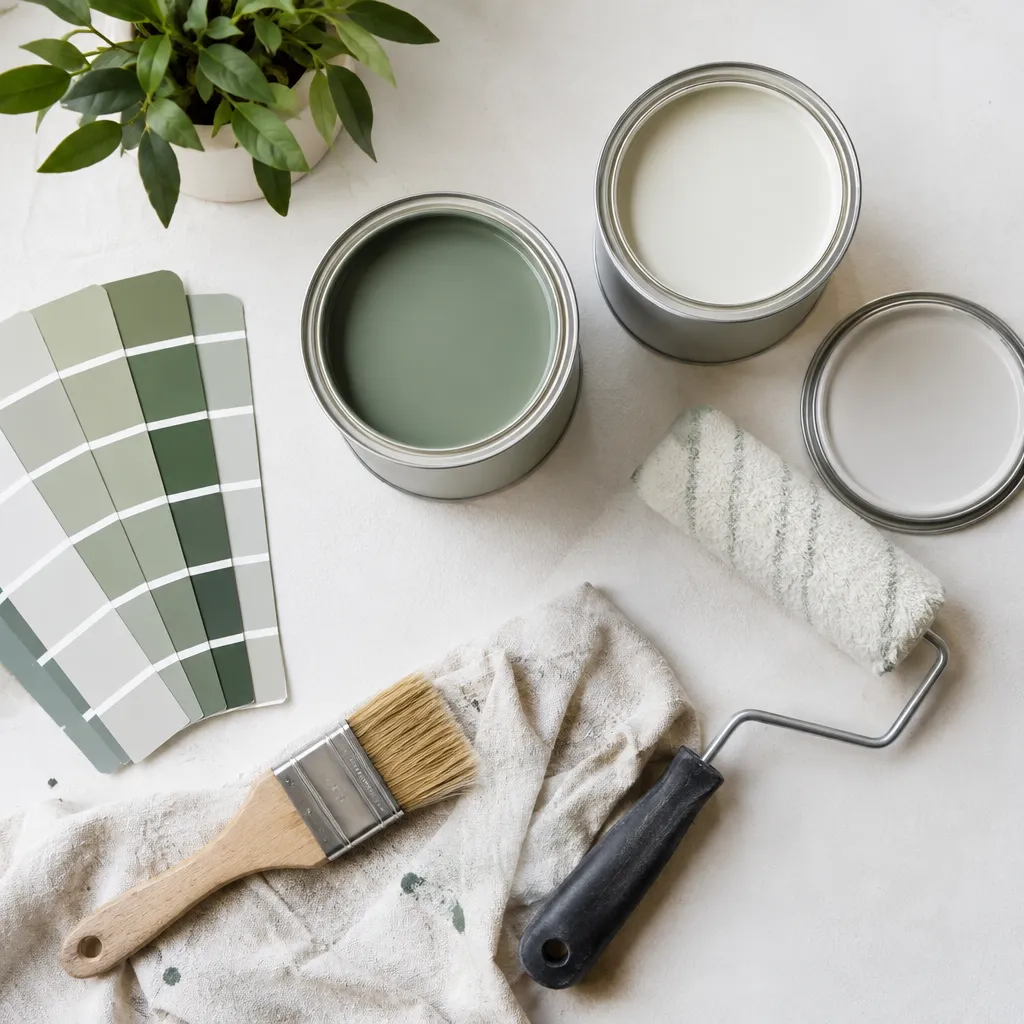
1. Refresh a Room With Paint and Simple Accent Details
Painting a small area or updating trim and hardware can change a room’s look without reworking its layout. This project suits renters with permission to make changes and homeowners who want a contained starting point; the main limits are surface preparation, drying time, and ventilation.
Choose a wall, door, or trim section that is in sound condition. Clean it, remove loose paint, and repair minor surface flaws before applying paint according to its label. For homes built before 1978, review the EPA’s lead-safe renovation guidance before disturbing old paint. If you want a smaller commitment, change cabinet pulls or picture frames instead; check hardware sizes before buying replacements.

2. Add Practical Storage With Shelves, Baskets, or Hooks
Shelves, baskets, and hooks can organize clutter when you match the solution to the items, available space, and wall surface. This project suits an entryway, closet, or laundry area; its limit is that heavy loads require secure attachment, not just a convenient spot on the wall.
First, measure the area and decide what needs to fit. Baskets work well for loose items you want to gather, while hooks keep frequently used objects visible and shelves make use of vertical space. Before drilling, identify the wall type and locate studs or use anchors rated for the load. If you cannot confirm a safe mounting point, choose a freestanding option.
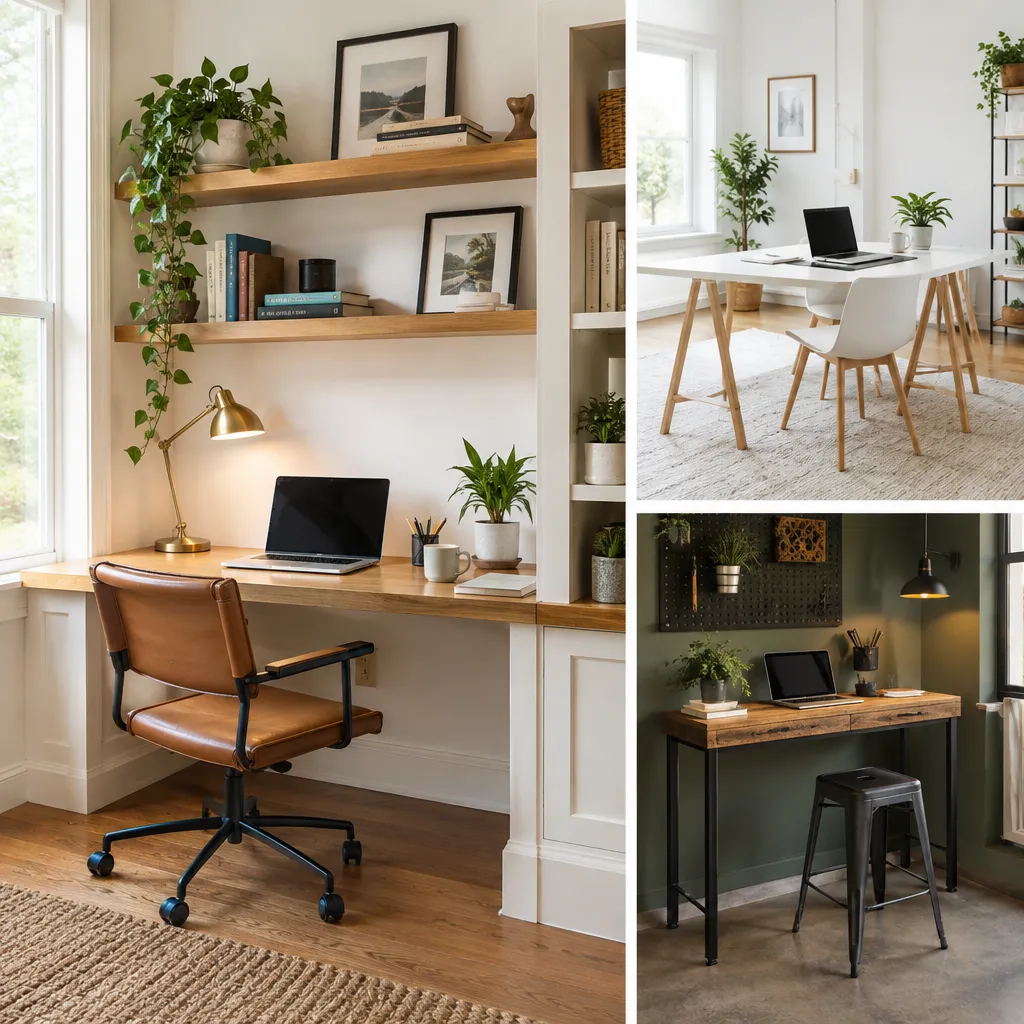
3. Set Up a More Useful Home Workspace
A spare corner can become a practical workspace with a stable work surface, task lighting, and storage for supplies. This suits people who need a dedicated place to work without converting a whole room; the tradeoff is that a small setup may not fit larger equipment or provide much privacy.
Measure the footprint before choosing furniture, and leave enough room to move the chair and open nearby doors. Use lighting that reaches the work surface, and plan around existing outlets rather than running cords where people walk. Do not overload outlets or attempt electrical changes without the appropriate qualifications. A compact shelf or file box can keep the surface usable.
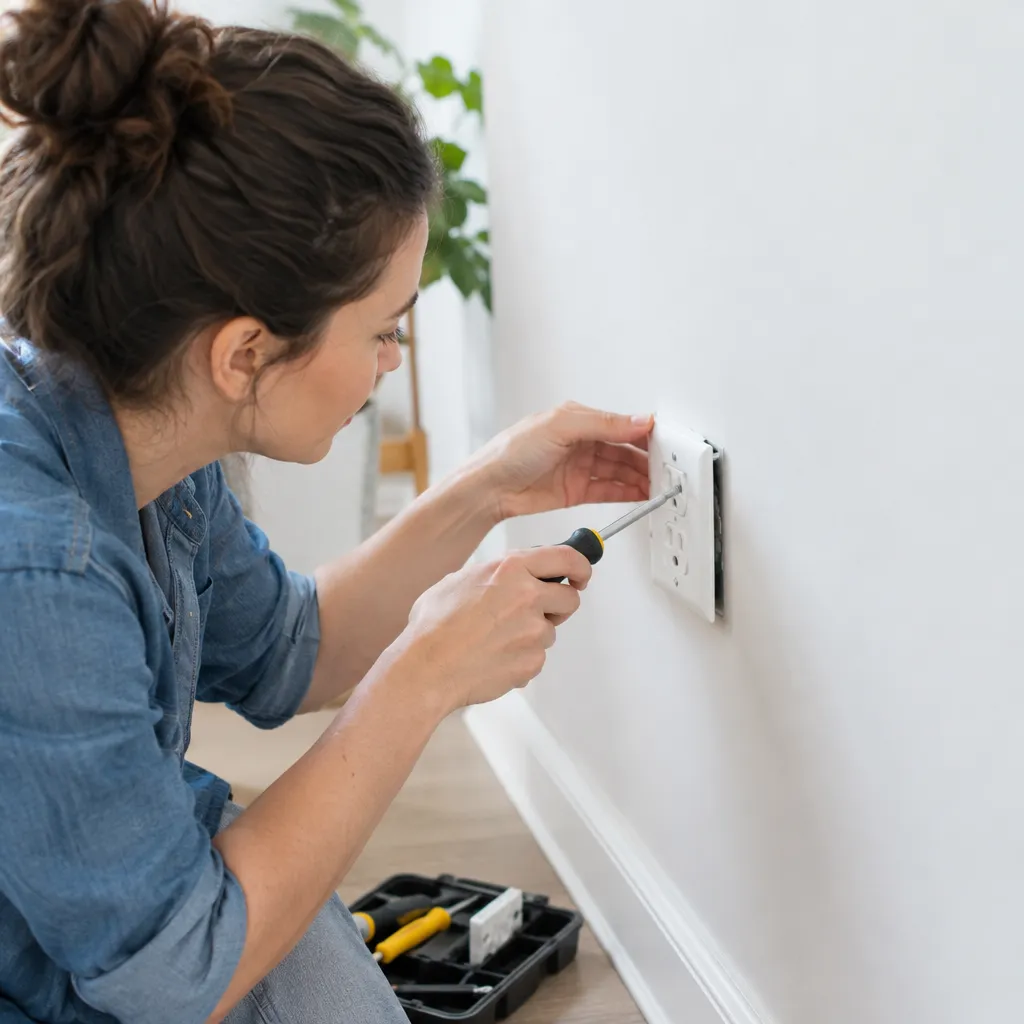
4. Start With Basic Maintenance Projects
Small maintenance tasks, such as replacing worn weatherstripping or refreshing failed caulk, can be manageable first projects when the surrounding materials are sound. They suit homeowners and renters seeking a practical starting point; the limit is that water damage, rot, or recurring gaps may indicate a larger repair.
For weatherstripping, compare the existing material and door or window gap before selecting a replacement, then follow the product instructions. For caulk, remove loose material and prepare the surface as directed on the label. If you find soft wood, persistent dampness, or damage behind a surface, stop before covering it up. Fixing the water source matters more than making the surface look finished.
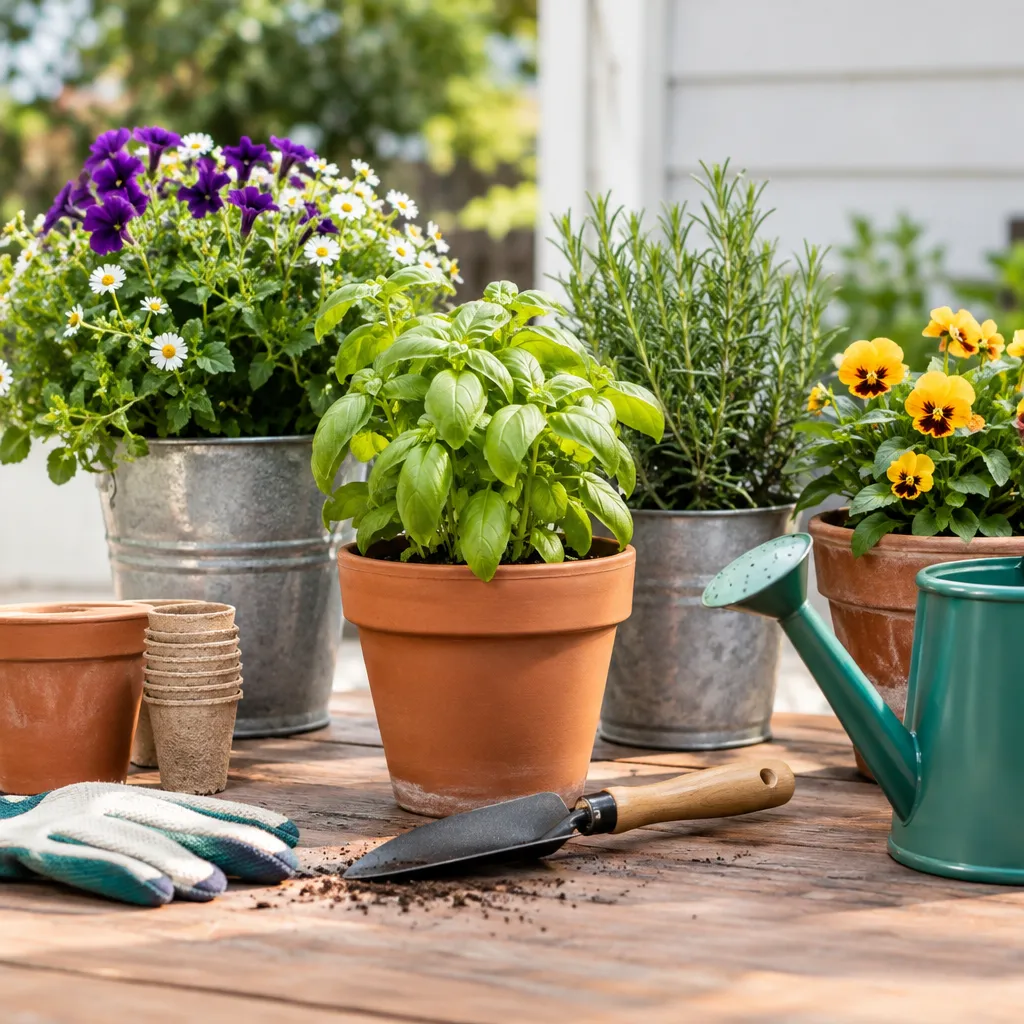
5. Grow Herbs or Flowers in Outdoor Containers
Outdoor containers let you grow herbs or flowers without preparing a full garden bed. This suits patios, balconies, and small yards; the tradeoff is that containers need regular attention to watering, sunlight, and seasonal conditions.
Choose a container with drainage and a location that matches the light needs of the plants you select. Read plant labels for sun and watering guidance, and check containers as conditions change because exposed pots can dry out faster than garden soil. For a useful kitchen planting, group herbs with similar light and watering needs. Leave room to reach the pots for upkeep.
6. Improve a Yard With a Simple, Stable Garden Bed
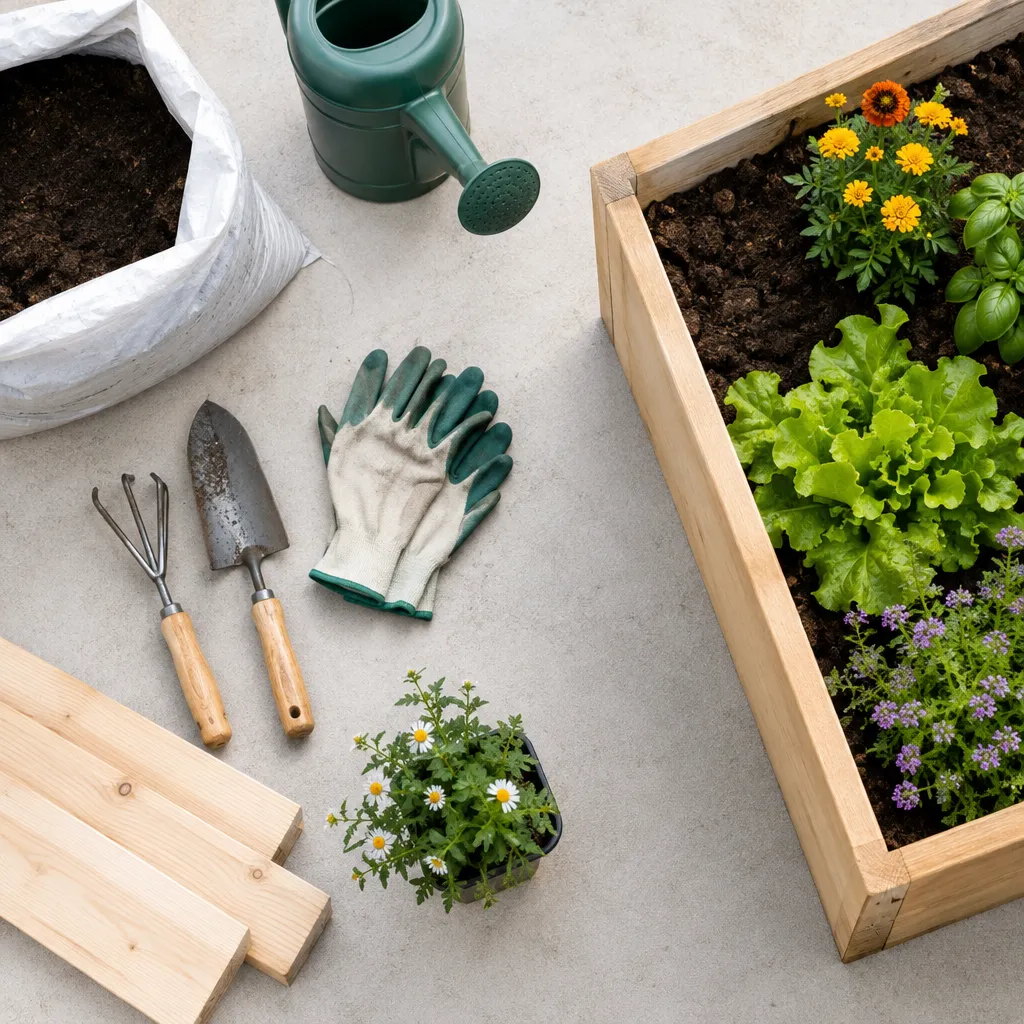
A modest garden bed can define a planting area, but site choice and preparation should come before digging. This suits yards with a suitable sunny or shaded spot for the plants you want; the limit is that buried utilities, poor drainage, or unstable ground can make the location unsuitable.
Observe where water collects and how much sunlight the site receives before marking out the bed. Contact the appropriate utility-location service before digging, and do not proceed if you are unsure about underground lines or drainage. Keep the bed’s footprint manageable, then prepare the soil and choose plants suited to the location. Persistent pooling or a slope that directs water toward the home calls for a different plan.
7. Build a Small Outdoor Seating or Potting Area
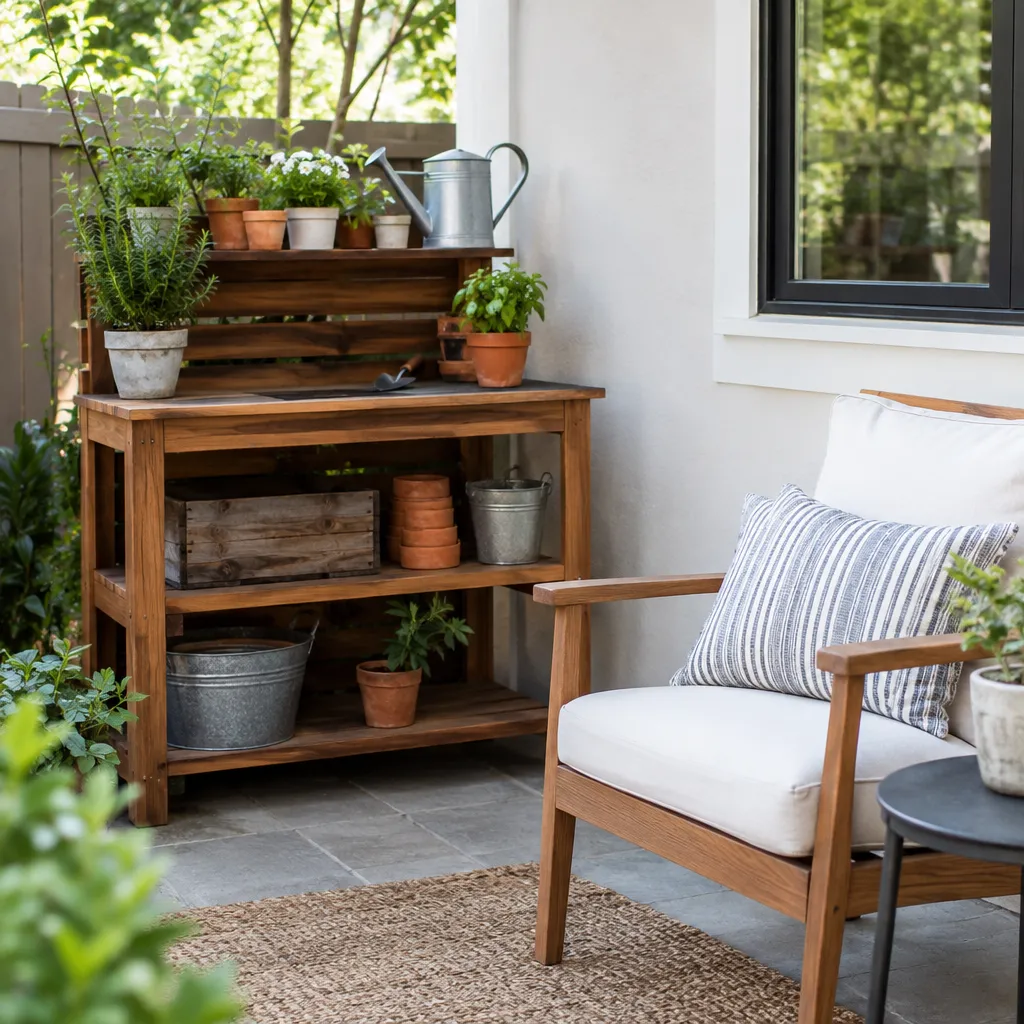
A small seating or potting area can make an existing part of the yard more useful with a stable surface and simple furniture or a workbench. It suits readers who want a defined outdoor spot without a large build; the limit is that uneven ground, drainage problems, or structural work can change the project’s scope.
Pick a location that is convenient to reach and does not block a walkway or direct runoff toward the house. Set furniture or a potting bench on a firm, level surface, and keep tools and cords out of walking paths. If the plan involves a deck, electrical work, retaining structure, or changing drainage, consult a qualified professional before proceeding.
Choose the Project That Fits Your Space, Skills, and Season
Choose one project by matching the problem you want to solve with your space, available skills, and the work the site needs. A contained indoor update may be a better first choice than a yard project if digging, water, or structural conditions are uncertain.
- Identify the area you want to improve and write down the specific problem, such as clutter, worn caulk, or a bare patio.
- Check the surface, wall type, sunlight, or drainage conditions that could affect the project.
- List the materials, tools, preparation, and cleanup the work will require before starting.
- Choose an option you can complete without taking on unplanned electrical, structural, or moisture repairs.
- Start with one manageable task, and pause for qualified help if you uncover damage or conditions you cannot assess.
For more practical home improvement and DIY guides, choose a project that fits the area and goal you have identified.