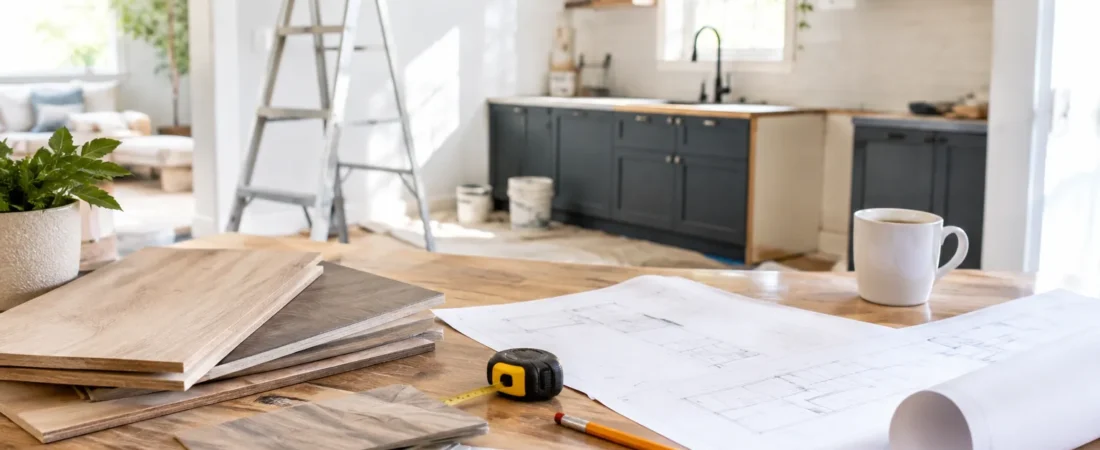

1. Refresh high-use rooms with low-disruption updates
Paint, lighting, hardware, and storage can refresh frequently used rooms without changing their layout. These projects usually involve less disruption than moving plumbing or walls, though the room’s condition and the work required still shape the effort.
A fresh coat of paint, updated light fixtures, or better closet shelving may address a specific daily frustration. Before choosing, check for dampness, damaged surfaces, or outdated wiring: covering a problem or working on unfamiliar electrical connections can create more work or risk.

2. Remodel the kitchen around storage and workflow
A kitchen remodel is most useful when it solves a recurring problem, such as inadequate storage or an awkward work area. Cabinet and counter updates affect cost and downtime; changing the layout can add plumbing, electrical, or permit considerations.
Start by noting where you run out of storage or make unnecessary trips while cooking. Replacing cabinet fronts or improving interior storage may preserve the layout, while relocating appliances or plumbing generally expands the project’s scope. Confirm local permit requirements and consult qualified trades for work beyond your skills.
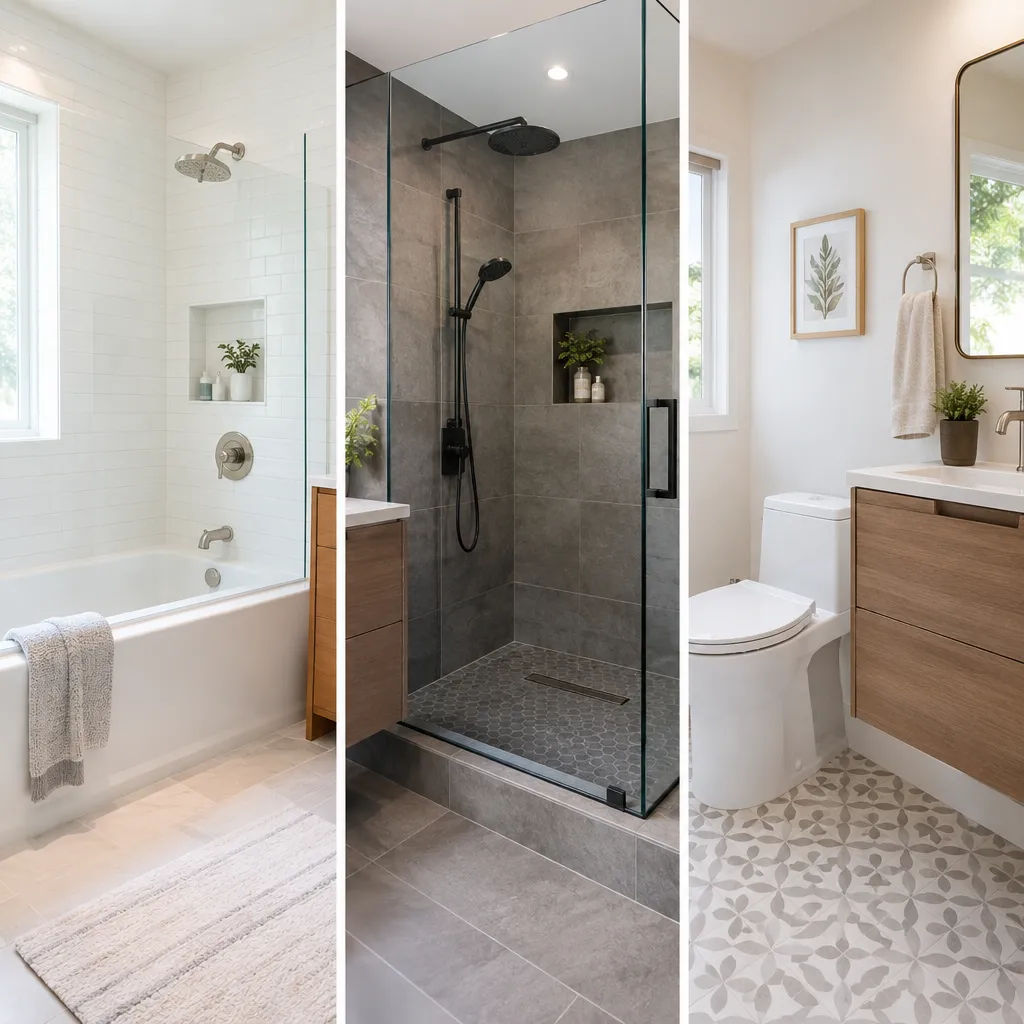
3. Update the bathroom for comfort and easier maintenance
Fixture and finish updates can improve bathroom comfort with less disruption than moving plumbing or changing the layout. A new faucet, mirror, or storage solution is a smaller-scope option; tile, waterproofing, and plumbing changes call for closer planning.
Check for leaks, soft flooring, or signs of moisture before covering surfaces or replacing fixtures. If water damage or hidden decay appears, pause and reassess rather than continuing with the original plan. Plumbing changes may require a qualified professional and local permits.

4. Improve comfort across the rest of the home
Flooring, windows, insulation, and entry improvements can address comfort or maintenance concerns beyond the kitchen and bath. Their disruption depends on how much area is affected and whether installation exposes hidden damage or involves building systems.
Replacing flooring in one room is different from removing it throughout the home; window and insulation work also depend on existing conditions. For homes built before 1978, review the EPA’s lead-safe renovation guidance before disturbing painted surfaces. If a project involves ducts, use materials and methods intended for duct sealing; ordinary cloth-backed duct tape is unsuitable, according to the Department of Energy’s duct-sealing guidance.

5. Plan structural changes only after professional assessment
Additions and wall changes may create substantial new space or improve how rooms connect, but their cost, disruption, and technical requirements can be difficult to judge before assessment. Have a qualified professional evaluate the structure and likely scope before committing.
Do not assume a wall is nonstructural based on appearance alone. A professional can help identify structural, electrical, plumbing, and permit questions that need answers before design or demolition. If suspected asbestos-containing materials may be disturbed, review the EPA’s asbestos guidance and get appropriate advice before work begins.
Recommended next steps
- List the daily problems you want to solve, and note any active leaks, moisture, or damage that should be addressed before cosmetic work.
- Choose one project and define its room, intended change, and what you will leave untouched.
- Compare the likely disruption and trade involvement of a surface update with a layout or system change.
- Check the home and project for permit, hazardous-material, and specialist-assessment needs before planning demolition.
- Decide whether the scope fits your skills; if hidden damage or structural, plumbing, or electrical uncertainty emerges, pause and consult a qualified professional.