
1. Ask What the Diagnostic Fee Covers
Ask what inspection and testing the service-call fee includes, whether it is separate from repair labor, and whether it is applied to the repair if you approve the work. The answer helps you distinguish a diagnostic charge from the full repair estimate. For broader home repair guidance, start by clarifying the problem and the next safe step.
2. Confirm the Diagnosis Behind the HVAC Repair Prices
Ask what fault the technician found, how it was confirmed, and whether other likely causes were checked. A specific explanation—such as identifying a failed component through testing—is more useful than a quote that names a part without explaining why it needs repair. For help preparing for a visit, see our guide to HVAC repair estimate comparisons.

3. Get a Clear List of Included and Excluded Work
Ask the contractor to list the repair tasks, labor, and any cleanup or related work included in the quote. Then ask what is excluded, such as additional work that might be recommended after the repair begins. Clear scope makes HVAC repair costs easier to compare; these HVAC repair checks can help you prepare questions.
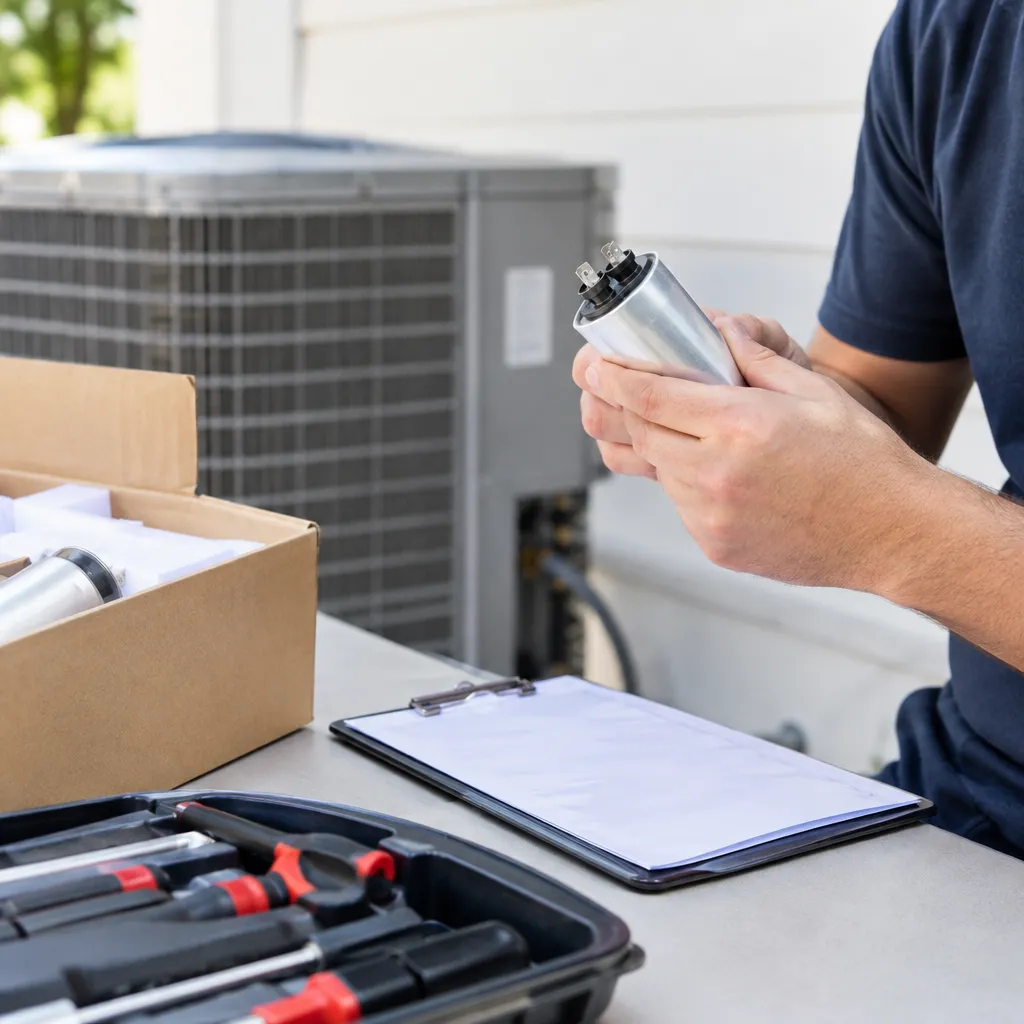
4. Check Part Specifications and Warranty Coverage
Ask which part will be installed and whether it is new or refurbished. Request the applicable manufacturer’s parts warranty and the contractor’s workmanship warranty in writing, including any conditions that could affect coverage. A low quote may not include the same parts or warranty terms as another, so compare the details rather than the total alone.
5. Ask What Could Change the Estimate
Ask whether difficult access, hidden damage, additional parts, local requirements, or urgent scheduling could change the quoted total. Most importantly, find out how the contractor will contact you and get approval before doing extra work. If the technician uncovers a larger problem, pause to review the revised scope instead of assuming the original estimate still applies.
6. Get the Final Estimate in Writing Before Approving
Request an itemized written estimate that shows the total, the work and parts included, payment terms, and any stated exclusions. Confirm that no additional work will proceed without your authorization. If the diagnosis or scope remains unclear, it is reasonable to ask questions or seek another estimate before committing. Consult a qualified HVAC professional about your specific system and repair.
HVAC Repair Price FAQs
Is it cheaper to repair or replace HVAC?
Repair is usually less costly upfront, while replacement may be worth comparing when repairs are recurring or the system is near the end of its useful life. Compare the written repair scope with a replacement estimate and consider system age, condition, and expected future needs.
How much is a typical HVAC service call?
Service-call charges vary by location, provider, timing, and what the visit includes. Ask whether the fee covers diagnosis only, whether it is separate from repair labor, and whether it is credited toward approved work.
Why can HVAC repairs cost more during peak season?
Busy periods can affect appointment availability and scheduling charges, depending on the provider and local demand. Ask whether the quote includes any timing-related fee and whether a non-urgent appointment would change the estimate.
How long does a typical HVAC repair take?
A repair may take one visit or longer, depending on the fault, parts availability, access, and any additional issues found. Ask for an estimated timeframe and whether the system can safely remain in use while you wait.
Are HVAC repairs covered by homeowners insurance?
Coverage depends on your policy and the cause of the damage; routine wear and equipment breakdown may be treated differently from damage caused by a covered event. Check your policy and ask your insurer before assuming a repair is covered.
How often should I schedule HVAC maintenance?
Follow the system manufacturer’s maintenance guidance; many homeowners arrange service before the main heating or cooling season. Regular filter care and professional maintenance can help identify issues, but the right schedule depends on the equipment and household conditions.
What should I do before an HVAC technician arrives?
Note the symptoms, when they occur, and any changes you have noticed, and make a clear path to the equipment. Avoid opening equipment or attempting electrical or refrigerant work; share what you observed when the technician arrives.
How many years should an HVAC system last?
System life varies with equipment type, installation, use, maintenance, and climate, so there is no single reliable age for every home. Check the model information and service history, and compare repair needs with the system’s condition.
Recommended next steps
Gather the written estimate, diagnosis, and warranty terms, then compare the scope—not just the total—if you have another quote. If an unexpected issue changes the work, ask for a revised estimate and approve it only when you understand what is included.