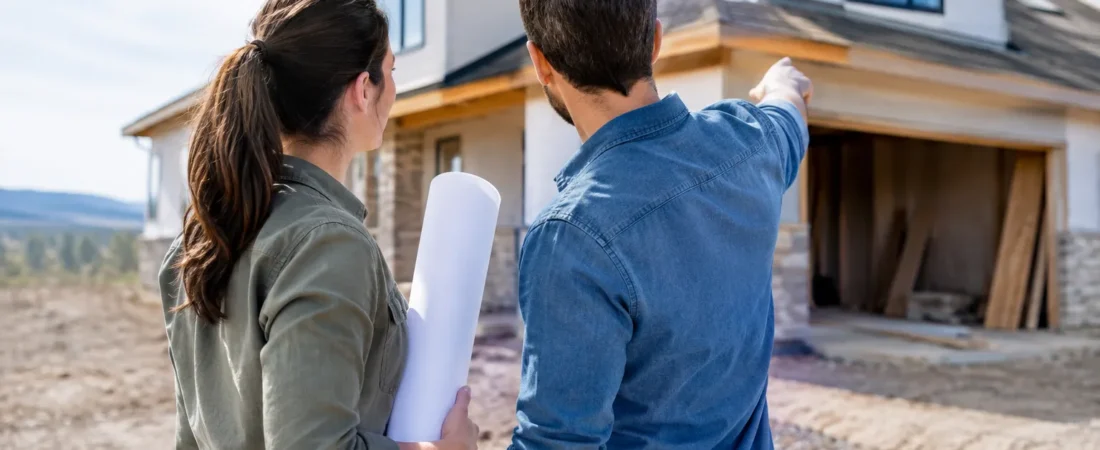
New home construction upgrades are worth considering when they solve a daily need, are difficult to add later, or make future changes easier. House Project Lab – Home Improvement, DIY & Repair Guides helps homeowners compare practical home-improvement choices; use the guide below to shortlist options and discuss them with your builder before construction is complete.
Compare common new home construction upgrades at a glance
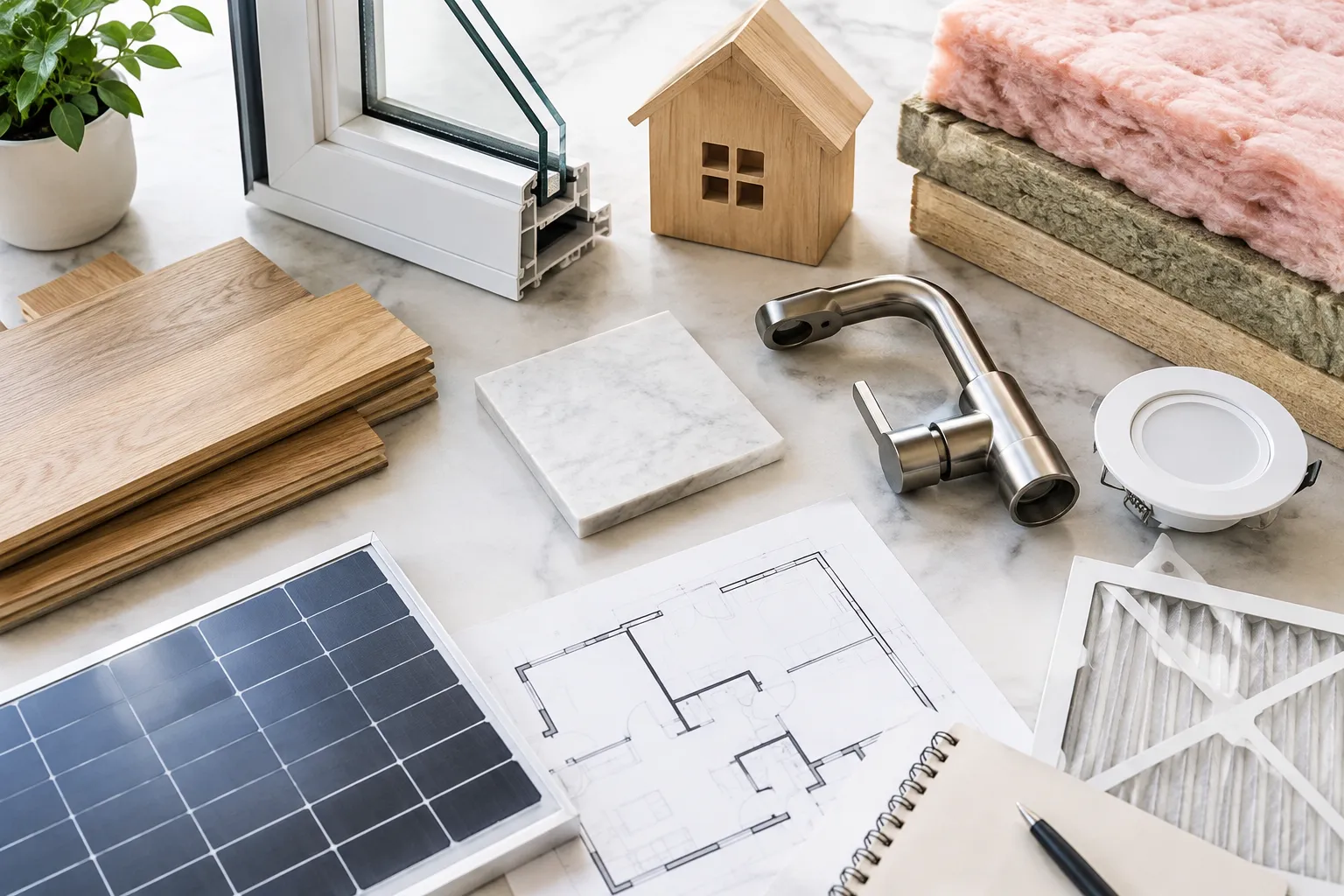
The most useful upgrades depend on what you need at home and when the work is easiest to do: prioritize hard-to-reach building components, then compare visible features by everyday function and upkeep.
| Upgrade category | Harder to change later? | Everyday benefit | Maintenance to consider | Usually worth discussing when |
|---|---|---|---|---|
| Insulation | Often, because it is inside walls, ceilings, or floors | Can support comfort and energy efficiency | Ask what materials and installation details are proposed | You want to confirm the home’s thermal envelope before it is enclosed |
| Windows and doors | Often, because replacement can involve surrounding finishes | Can support comfort, natural light, ventilation, and energy efficiency | Ask about operation, cleaning, and care instructions | You have specific needs for light, ventilation, or access |
| Kitchen and bathroom features | Varies by feature; built-in layouts are harder to change than finishes | Can make common routines more convenient | Surfaces, fixtures, and appliances have different care needs | A feature solves a repeated household task |
| Smart-home systems | Varies; devices may be easier to change than built-in wiring | Can make certain controls more convenient | Check compatibility, updates, and continued support | You know which functions you will actually use |
| Electrical or plumbing provisions | Often, when they require changes behind finished walls | Can support current needs and make some future changes easier | Ask about access, labeling, and service requirements | You already know where you need outlets, lighting, or water connections |
This comparison is a starting point, not a ranking. For each option, ask the builder what is included as standard, what changes with the upgrade, what must be decided before installation, and what can be handled after closing. The answer can differ by the exact feature and the home’s layout.
A practical rule: give early attention to work that will be concealed or disruptive to change. For visible selections, compare how the feature performs during an ordinary day, not only how it looks in a display.
Which upgrades are harder to add after construction?
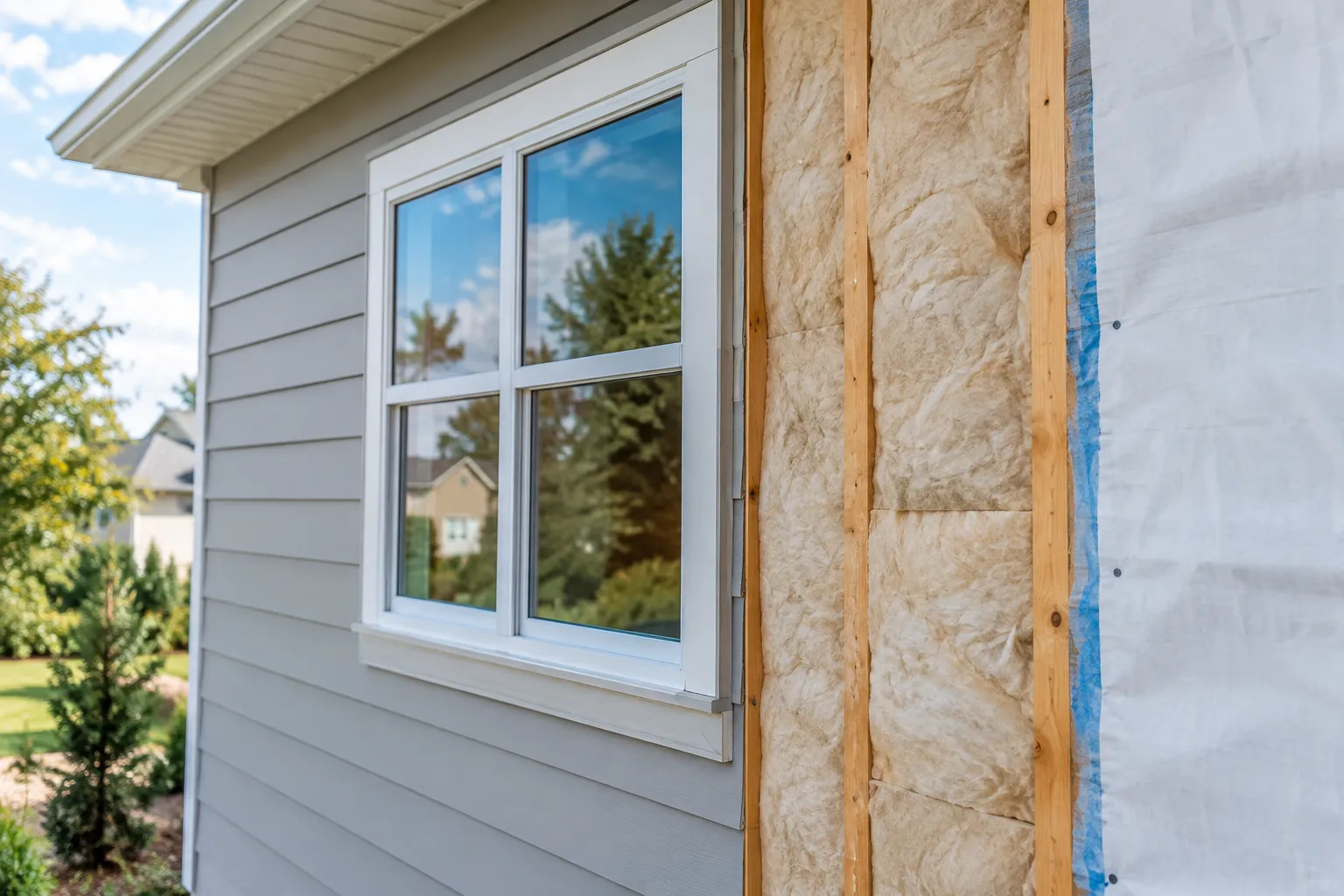
Insulation, window and door changes, and some electrical or plumbing work can involve opening finished surfaces or coordinating with other building components, so clarify these options before construction ends.
Insulation is difficult to inspect or modify once wall or ceiling cavities are closed. Ask what areas are covered by the proposed option, what material and installation details are specified, and whether the builder can provide the relevant product or construction documentation. Do not judge insulation only by a label or an upgrade name; compare what the specification actually includes.
Windows and exterior doors are also worth settling early if their size, placement, operation, or configuration matters to you. A change after construction can affect surrounding finishes and may require work beyond swapping a visible component. Ask whether the option changes the opening or only the selected unit, and confirm what care the manufacturer recommends.
Electrical and plumbing provisions deserve a location-specific review. Think through where you might use task lighting, charge devices, place equipment, or need water access. Adding a connection later may involve finished walls, floors, or cabinets. But adding outlets or plumbing everywhere “just in case” is not automatically useful: identify a likely use and ask what the builder can include now.
Some choices are easier to defer. Decorative finishes, movable furnishings, and certain plug-in devices may be selected after closing, depending on the feature and the home’s setup. Ask the builder to distinguish between an upgrade that must be built in and one that can be added later without disturbing finished work.
If a proposed change affects concealed wiring, plumbing, or structural components, have the builder explain the scope and who is responsible for the work. Do not assume a change is straightforward just because the visible part looks simple.
How kitchen and bathroom upgrades affect daily use
Kitchen and bathroom upgrades earn consideration when they make a repeated task easier, fit the people using the space, and have upkeep you are willing to handle.
Start with routines. In a kitchen, consider whether storage, counter space, lighting, or the arrangement of work areas would improve how you prepare food and clean up. A cabinet or fixture that looks appealing in a showroom may not help if it does not solve a storage or workflow problem. Ask to see the proposed layout and identify where frequently used items will go.
For bathrooms, think about access, cleaning, and the daily sequence of use. Storage, lighting, and the arrangement of fixtures can matter more than decorative details if they affect how the room works each morning. If a feature has a surface, moving part, or specialized cleaning instruction, ask what care it requires before choosing it.
Maintenance is part of the comparison. Different countertop materials, finishes, fixtures, and appliances may have different cleaning or upkeep instructions. Request the exact product information for the options you are considering, then check the care guidance and replacement-part availability. Do not assume two similar-looking finishes require the same treatment.
Separate function from appearance by asking yourself: Would I use this every day or every week? Does it make a specific task easier? Is the benefit worth the cleaning, care, or upkeep involved? If you cannot name a practical benefit, it may be a finish choice rather than a functional upgrade—and it should be evaluated accordingly.
Compare smart systems with electrical and plumbing upgrades
Smart devices emphasize convenient control, while electrical and plumbing provisions can shape what the home can support; compare both against your actual plans and their maintenance requirements.
A smart thermostat, connected lighting control, or other smart-home feature may be useful if you want that particular control and understand how it works with the rest of the system. Before choosing, ask which components are included, what connections or applications are required, whether the system works with devices you already use, and how updates or support are handled. Compatibility can change the practical value of a feature, so confirm it rather than relying on a general label such as “smart home.”
Built-in electrical or plumbing provisions solve a different problem. They may provide an appropriate connection or location for a planned use, but the value depends on where they are placed and whether you will use them. Bring a room plan and mark likely furniture, equipment, and activity areas. Ask the builder which locations can be changed before installation and what the finished space will allow later.
Think about upkeep as well as convenience. A connected device may need setup, updates, or replacement, while a plumbing or electrical feature may require access for service. Ask what happens if a device is discontinued or a component needs repair, and whether the underlying home system can still be operated without the connected feature.
For work involving electrical or plumbing systems, get the builder’s explanation of the scope, applicable requirements, and responsible installer. A homeowner should not treat concealed-system changes as a casual DIY add-on simply because the end result is an outlet, switch, or water connection.
Use a checklist to choose upgrades that fit your home
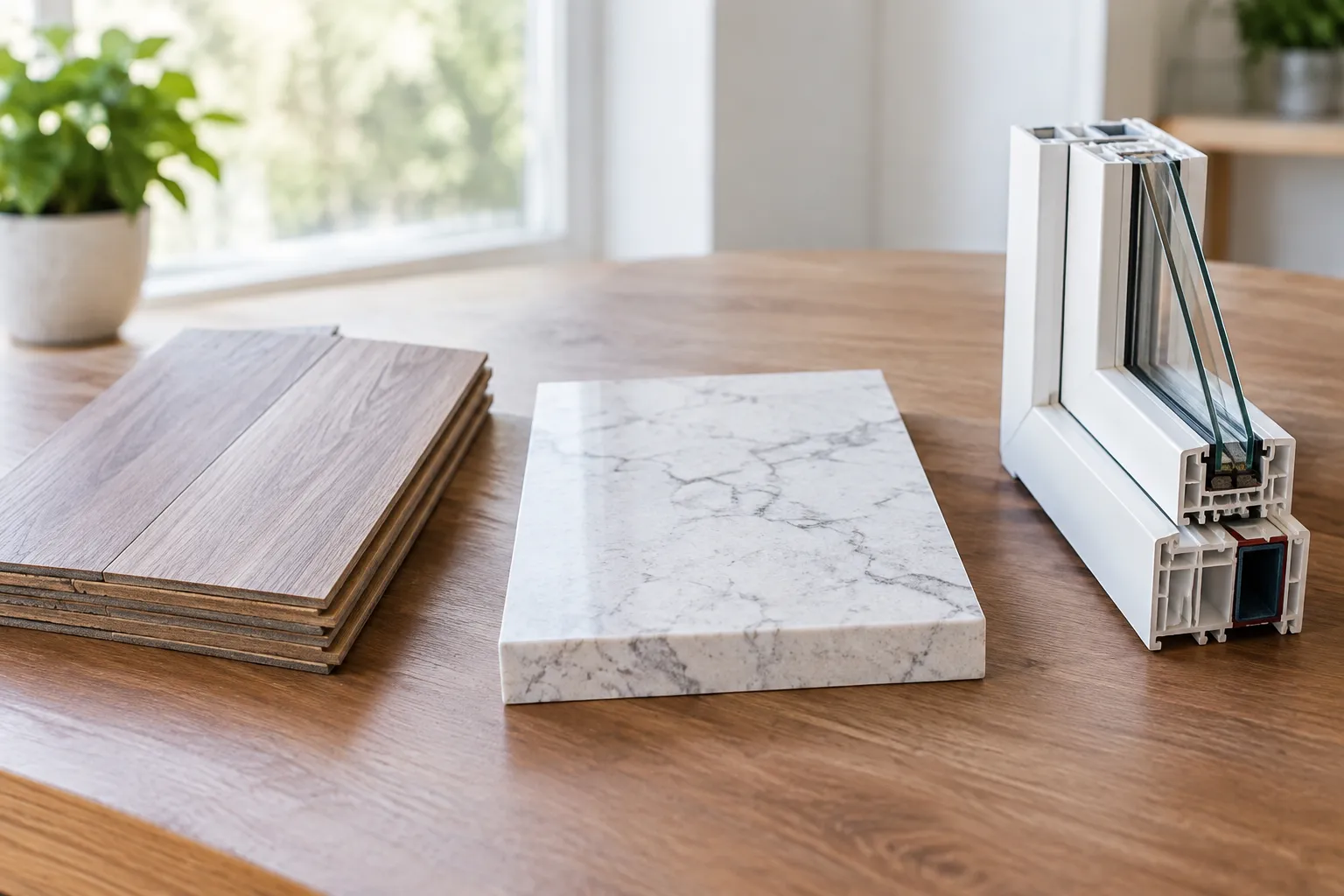
A short, consistent checklist keeps the choice focused on usefulness, timing, maintenance, and total commitment rather than showroom appeal.
For each new home construction upgrade, write down:
- The specific problem or routine it addresses. Name the task, room, or household need.
- How often you expect to use it. Separate daily convenience from an occasional possibility.
- Whether it is difficult to add later. Ask what finished work would need to be opened or changed.
- What maintenance it requires. Check product instructions, cleaning needs, service access, and replacement considerations.
- What is included in the option. Request the precise specification and compare it with the standard selection.
- What the builder’s quoted price covers. Confirm any related work, exclusions, or follow-on decisions directly rather than estimating from the upgrade’s name.
- Whether it fits your plans. Consider how you expect to use the space, how long you expect to stay, and whether the feature will still suit you if your routines change.
- What can wait. Ask whether the same function can be added after closing without substantial disruption.
Then sort the options into three groups: discuss before construction ends, consider after closing, and skip for now. A concealed upgrade with a clear use may deserve an earlier decision than a visible finish with no distinct practical benefit. That does not mean every early-stage option is worthwhile; it means timing is one criterion, alongside use and upkeep.
If the decision feels uncertain, ask for the exact option description and the standard alternative in writing. Compare like with like: what changes, what remains the same, what ongoing care is expected, and what work would be involved if you defer it. If the builder cannot explain the scope clearly, pause before committing and get clarification.
New Home Upgrade FAQs
Are new construction homes a good investment?
A new construction home may suit a buyer’s needs, but whether it is a good investment depends on the purchase terms, location, ownership costs, and future plans. Evaluate the home as a financial decision, not just by its upgrades.
How to build a new home that looks old?
Choose traditional proportions, materials, finishes, and architectural details with the builder before plans and selections are finalized. Ask which details affect the structure or exterior and which can be changed later.
Discuss your shortlist with the builder before construction ends
Take a prioritized list to the builder and confirm which choices need decisions now, what each option includes, and what can wait until after closing.
- Mark the rooms and routines that matter most, and note the specific problem each possible upgrade would solve.
- Ask the builder to identify which options affect concealed insulation, windows, doors, wiring, plumbing, or finished surfaces.
- Request the exact specification, standard alternative, quoted scope, and maintenance information for each shortlisted option.
- Confirm which features can be added after closing and what work that would involve.
- Choose the options that fit your use, timing, and upkeep preferences, and record what you are deferring or declining.