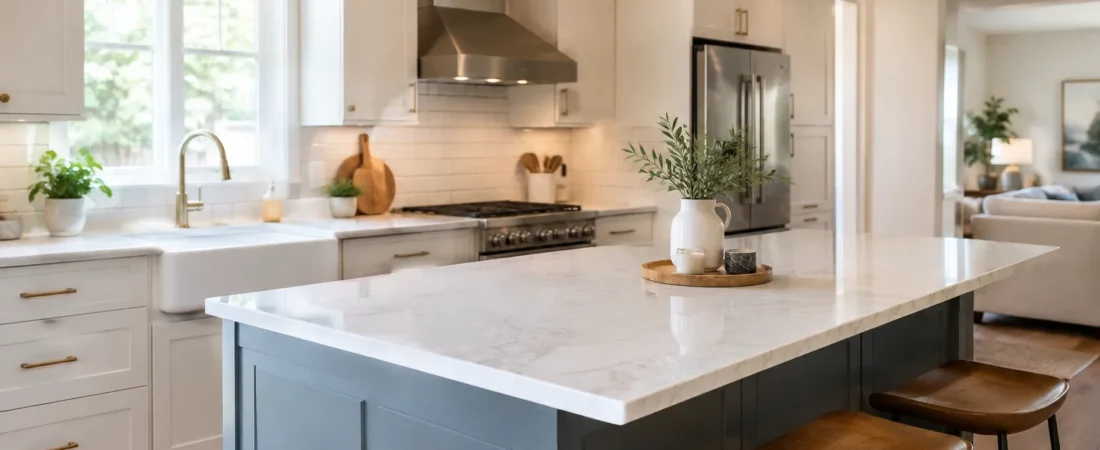
The upgrades most likely to support home value are the ones that address visible maintenance problems, improve everyday function, and fit what buyers in the local market expect. When weighing what upgrades increase value of home, compare each project’s cost and quality with the home’s condition and likely resale appeal; no upgrade guarantees a particular return.
What upgrades increase home value? Start with local priorities

Home value is most likely to benefit from a sound, well-maintained home with useful space and improvements that suit local buyer priorities. The right project depends on the property, the quality of the work, and what buyers in that market are looking for.
A practical starting order is:
- Address active damage and deferred maintenance, especially problems that could worsen.
- Improve function where the home has a clear limitation, such as an awkward layout or an unusable outdoor area.
- Consider broad-appeal cosmetic updates after the home’s basic condition is sound.
- Set aside highly personal or expensive changes unless they also solve a practical need.
These categories overlap. Replacing a failing roof is maintenance, not a style upgrade, but it can make the home more functional and help avoid concerns during a sale. A kitchen update may improve daily use and appearance, but an elaborate finish selected for one owner’s taste may not matter as much to the next buyer.
The search phrase “what upgrades increase value of home” can suggest a fixed list. In practice, a project’s value depends on the home and its context: an improvement that addresses a real weakness may be more compelling than a costly change to something that already works well.

Fix maintenance issues before adding cosmetic upgrades
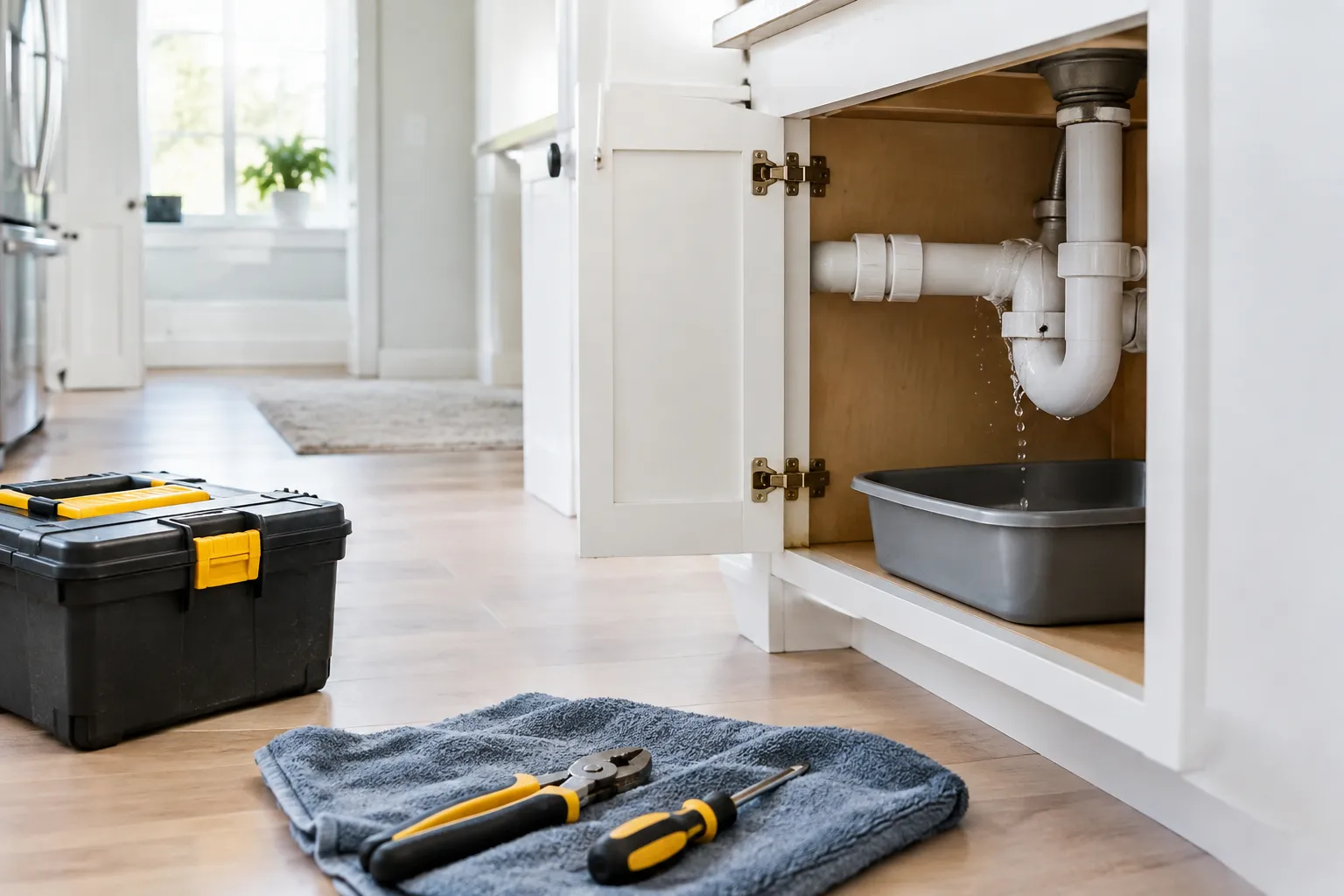
Repairing problems that threaten the home’s condition is usually a more sensible first step than covering them with cosmetic changes. A fresh finish cannot solve a leak, concealed rot, or an underlying repair issue.
Start with signs of water intrusion, roof damage, plumbing leaks, deteriorating exterior materials, and other problems that may worsen if left alone. Water deserves prompt attention because it can damage finishes and building materials; investigate the source rather than simply painting over a stain or replacing a damaged surface.
For example, a window sill that appears to need a cosmetic refresh may reveal rot when opened up. That changes the project: the priority becomes understanding how far the damage extends and what needs repair before choosing new trim or paint. If demolition reveals widespread deterioration, an active leak, or work outside your skill level, pause and get qualified help rather than continuing on an assumed weekend schedule.
Roof work can be a significant expense, but an aging or damaged roof may deserve attention before elective renovations. The right scope depends on its condition; replacing a roof that does not need replacement simply to pursue resale appeal may not make sense. Have a qualified professional assess uncertain or extensive damage, and compare the repair scope with other immediate needs.
Once essential repairs are handled, cosmetic projects are easier to evaluate on their merits. For a broader way to plan repairs, use home repair and maintenance guidance.
Improve curb appeal and make outdoor space more useful

Landscaping and outdoor improvements can improve a home’s first impression and make its exterior space more usable. The right choice depends on the property, the condition of the yard, maintenance needs, and local buyer interest.
Start by looking at what is already there. Overgrown planting, an obstructed entry, or a yard that is difficult to use may call for straightforward cleanup and repair before a larger redesign. A garden can make an outdoor area more inviting, but it also needs ongoing care; consider whether the planting plan suits the time and maintenance the household can manage.
A patio or deck may make sense when it creates a useful place to sit, dine, or move between the home and yard. Before committing, check the layout, access, and condition of the proposed area. A feature that consumes much of a small yard or requires substantial upkeep may not suit every property or buyer.
Use this decision sequence:
- Identify the specific problem: poor access, an underused yard, or exterior wear.
- Choose the smallest scope that solves it, such as repairing an entry path before redesigning the whole yard.
- Consider maintenance, drainage, and how the space connects to the house.
- Check local buyer expectations before choosing a larger outdoor project.
Outdoor work also has safety limits. Use appropriate ladder and power-tool precautions, and do not work near overhead electrical wires. The Consumer Product Safety Commission’s outdoor repair safety checklist covers precautions involving ladders, power tools, extension cords, and deck inspections.
Choose kitchen and bathroom updates for broad appeal
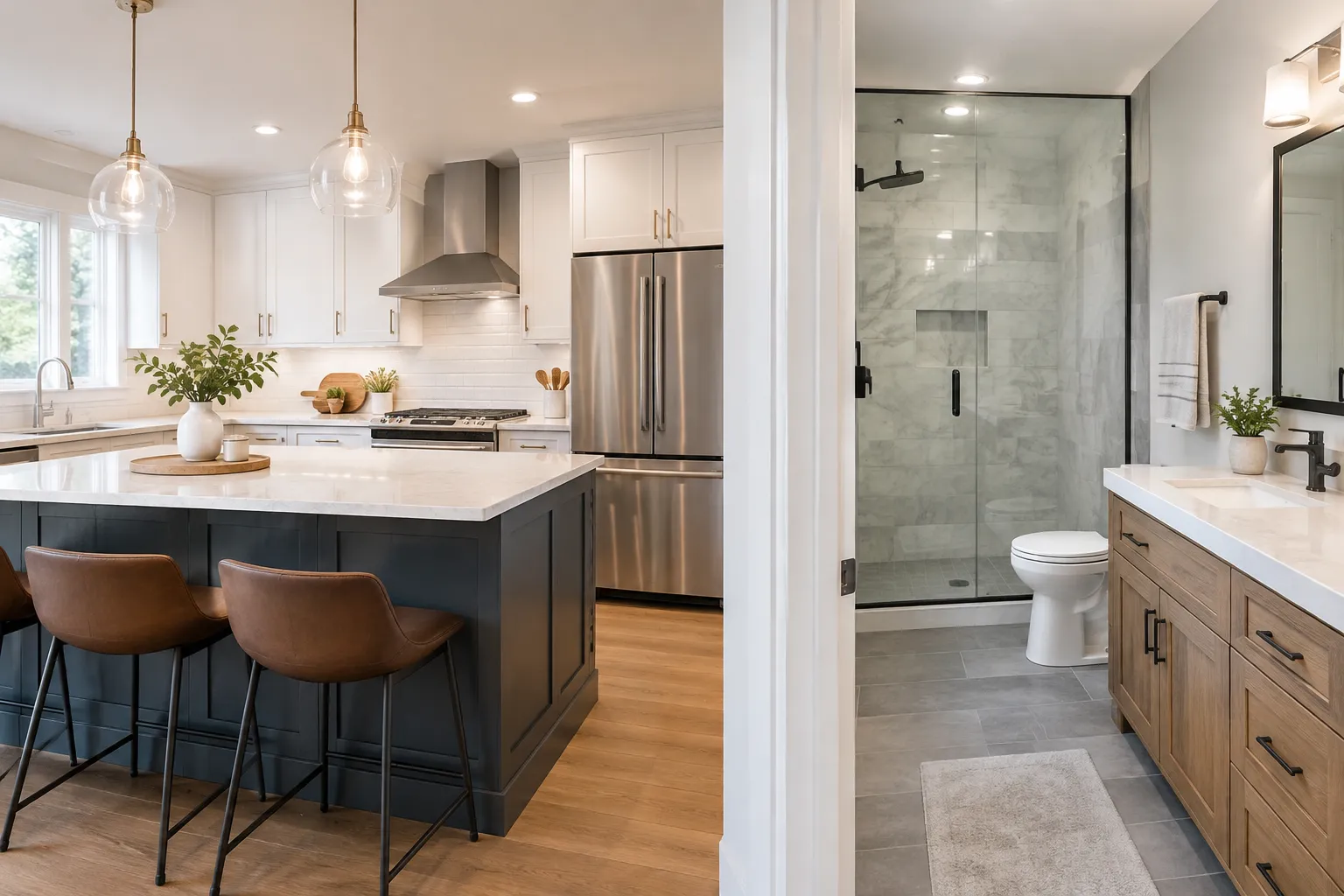
Targeted kitchen and bathroom improvements may support resale appeal when they address a functional drawback or worn condition without relying on costly, highly personal choices. Prioritize usability and a cohesive finish over changes made only to match one owner’s taste.
In a kitchen, first note what is inconvenient or visibly deteriorated. A project might focus on improving storage, repairing worn surfaces, or addressing an awkward workflow rather than replacing everything. Keeping the scope tied to a clear need can limit disruption and make it easier to compare the project’s cost with its likely appeal.
Bathrooms follow the same logic. Repairing damaged finishes or improving a layout that does not work may matter more than choosing premium details. Adding a bathroom could help where the home’s existing arrangement is a practical limitation, but it involves more than choosing fixtures: plumbing, ventilation, layout, and the condition of surrounding materials can all affect scope.
Before opening walls or disturbing older finishes, consider potential hazards. The EPA advises precautions for lead dust during renovation, repair, or painting in homes built before 1978, and recommends identifying and managing suspected asbestos-containing materials before a project disturbs them. Its lead-safe DIY renovation guidance explains relevant precautions. Stop before disturbing material you suspect may contain asbestos and seek qualified guidance.
For project planning, compare home renovation and remodeling options against the need the work is meant to solve. If the project exposes hidden damage, revise the scope before committing to finishes or additional work.
Add functional space only when the layout and market support it
A conversion or addition may support value when it creates genuinely useful space that fits the home and local expectations. Extra square footage alone is not a guarantee of stronger resale appeal.
Consider whether a basement, attic, garage, or other area can become practical living space without sacrificing a function buyers may value. Converting a garage, for example, may add a room but remove covered parking or storage. A basement conversion may be limited by moisture, ceiling height, access, or other conditions that need professional assessment.
Ask these questions before planning the work:
- Will the finished area be comfortable and practical for its intended use?
- Does the conversion leave the rest of the home’s layout functional?
- Could moisture, structural concerns, or other hidden conditions change the scope?
- Do local buyers tend to expect this type of space in a home like yours?
A project that changes the home’s structure, adds plumbing, or involves uncertain conditions deserves careful planning and qualified advice. Check applicable local requirements before proceeding, and do not treat a rough estimate of added space as a promise about resale value.
Compare likely resale appeal with cost before choosing a project
Compare each project’s total scope and cost with the problem it solves and the buyers it may appeal to. Local real-estate and renovation advice can help you decide whether a major spend fits the home and market.
A useful comparison does not require a precise resale forecast. For each option, write down:
- The current condition or functional problem.
- The work needed to solve it, including likely repairs behind visible finishes.
- The project’s full expected cost, not just the most visible materials.
- The disruption and maintenance the change may bring.
- Whether the improvement is broadly useful or mainly reflects personal preference.
- What a local real-estate professional says buyers notice in comparable homes.
Then separate urgent work from optional work. A repair that prevents further damage may deserve priority even if it is not visually striking. An elective kitchen or outdoor project may be reasonable when the home is sound, the scope is controlled, and local guidance suggests buyers value the improvement.
Get more than one qualified opinion when the condition or scope is uncertain. For a major renovation, ask a professional to explain what is included, what could change if concealed damage appears, and which decisions need to be made before work begins. A clear scope helps you compare options without assuming that a higher project cost will translate into a higher sale price.
Home Upgrade FAQs
There is no universal upgrade formula, but these answers can help narrow the choices and plan the next comparison.
How to increase home value by $50,000?
There is no reliable upgrade formula that guarantees a $50,000 increase in home value. Identify needed repairs, compare locally relevant improvements, and ask a real-estate professional how each option may fit your property and budget.
What are the top 5 things that add value to a home?
Common candidates are resolving deferred maintenance, improving useful space, making targeted kitchen or bathroom updates, improving curb appeal, and creating functional outdoor space. Their value depends on the home, project quality, cost, and local buyer priorities.
Recommended next steps
Start by documenting the home’s condition, then compare repairs and upgrades against local buyer priorities before choosing a project. Use these steps to keep the decision practical:
- Walk through the home and list active leaks, visible damage, worn systems, and spaces that do not function well.
- Investigate water-related problems and other damage before planning cosmetic work.
- Separate essential repairs from optional improvements, and note which projects may reveal hidden conditions.
- Choose one or two potential projects and write down their scope, likely disruption, maintenance needs, and budget.
- Ask a local real-estate professional which improvements buyers commonly expect in homes like yours.
- Get qualified renovation advice for major, uncertain, or safety-sensitive work before approving a scope.