

1. Refresh a front door with paint in a few hours
Painting a front door suits anyone who wants a visible update without taking on a room-sized job. Check the paint label for surface preparation, drying conditions, and ventilation needs; exterior work also depends on suitable weather.
Clean and prepare the door as the paint label directs, then protect nearby surfaces and apply the paint with appropriate tools. Allow the recommended drying time before closing the door or exposing it to weather. The main limit is that damaged or poorly prepared surfaces may need more work than painting alone.
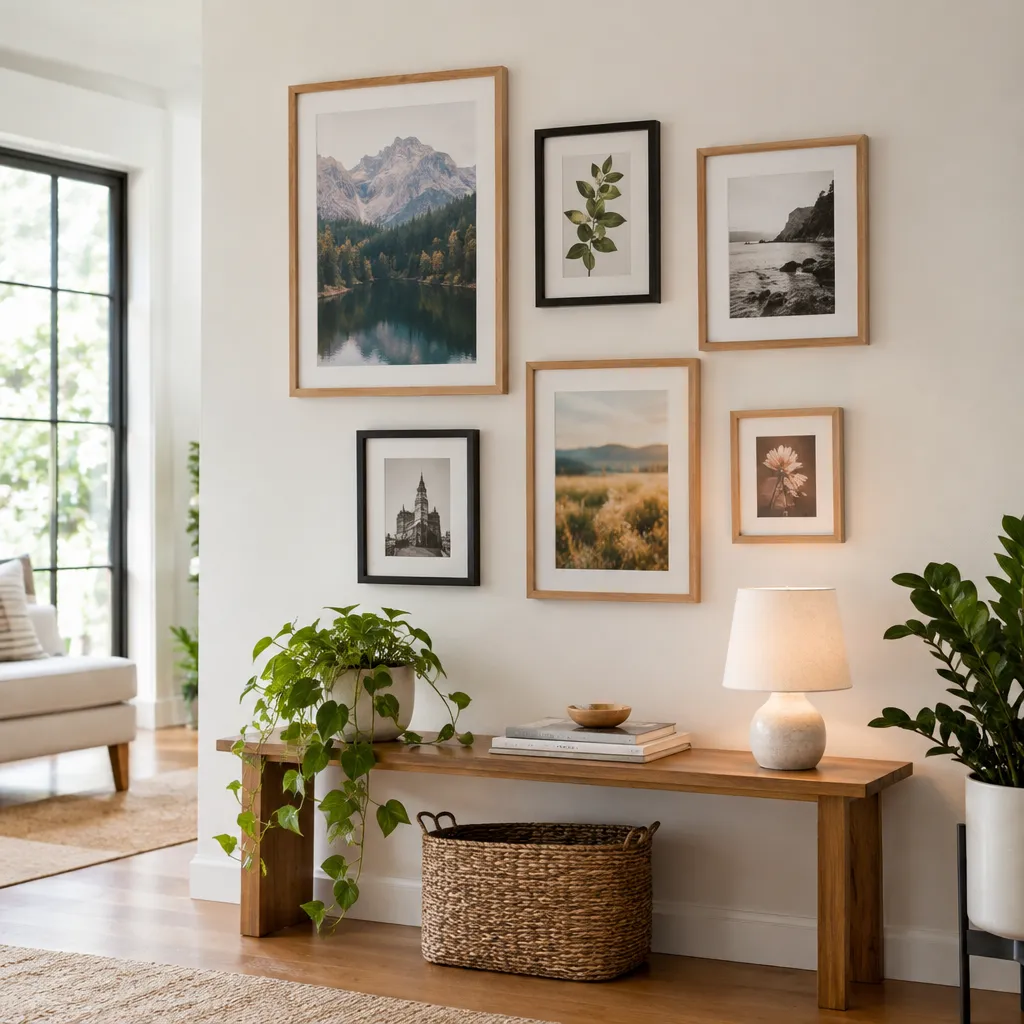
2. Create a gallery wall with a half-day of measuring and hanging
A gallery wall is a good fit if you have frames or photos ready and can measure and mark a layout before drilling. Sketch the arrangement, check the available wall space, and use a level, tape measure, pencil, and hanging hardware suited to the wall and frames.
Arrange the frames on the floor first, then transfer the layout to the wall and install each hanger. The result can be adjusted to a narrow or wide wall by changing frame spacing and grouping. The limit: uneven walls, heavy frames, or uncertain wall construction can make hanging more involved.
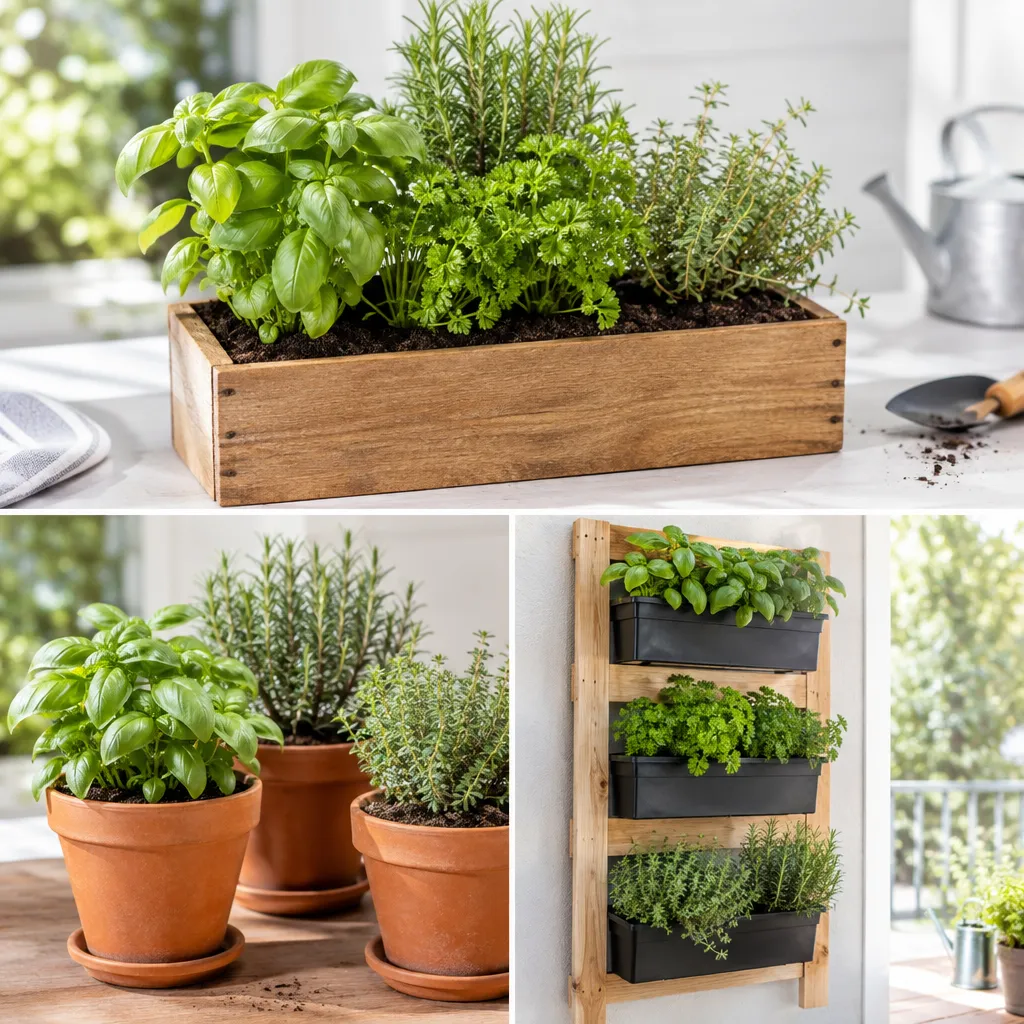
3. Plant a small herb garden in a day
A small herb garden suits beginners who have a sunny outdoor spot or containers and can keep up with watering. Choose herbs that fit the available light and space, then gather containers or prepare a planting area, potting mix or suitable soil, and plants or seeds.
Set up drainage for containers, fill them with soil, and plant according to the instructions supplied with the seeds or plants. Water after planting and check moisture as conditions change. A shaded site or inconsistent watering can limit growth, so choose a location you can monitor.
For more outdoor ideas, browse yard and garden projects.

4. Lay a short garden path over a full day
A short garden path works best for someone comfortable with digging, lifting, and leveling, with a dry work window and a clear route in mind. Mark the path, remove vegetation, prepare and level the base, then place the path material and check that the surface drains appropriately.
Keep the route modest if you are new to the work, and plan how you will move heavy materials before starting. Uneven ground, poor drainage, or stones that are difficult to lift can push the job beyond a day; stop and reassess if the base cannot be made stable.
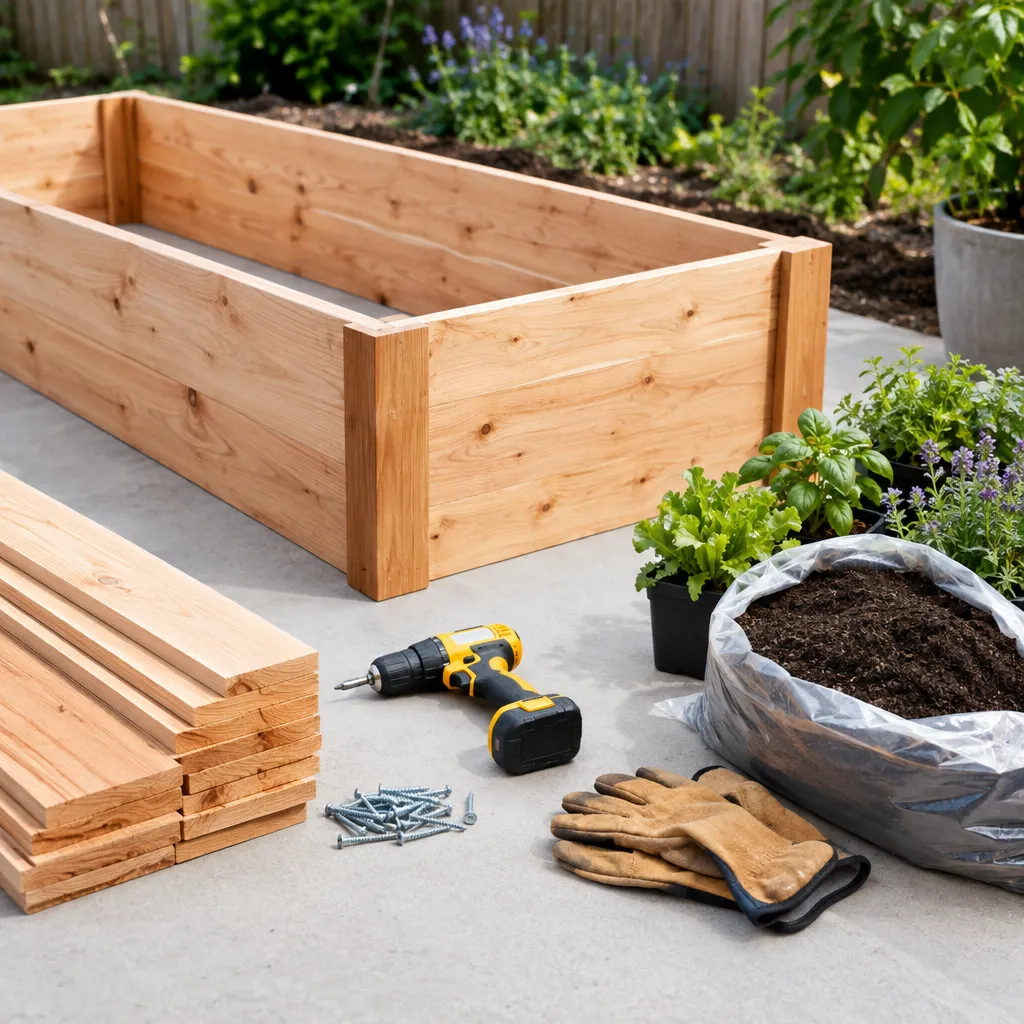
5. Choose and start a raised-bed build for a full weekend
A raised bed fits a yard with a suitable level spot and enough room to reach the planting area. Decide on its location and dimensions before buying materials, then gather lumber or other suitable materials, fasteners, a saw, a drill, measuring tools, and soil.
Cut and assemble the sides on a stable surface, position the frame, and prepare it for planting. Wear eye protection when cutting and follow tool instructions; check material labels for suitability around edible plants. Keep weather and a secure overnight setup in mind. A sloped site, uncertain materials, or unexpected ground conditions may require a different plan.
Recommended next steps
Choose one project by checking the time, tools, skill, and conditions it actually requires, then begin with a small, clear first task. Use these steps to avoid turning a manageable weekend plan into an unfinished job.
- Check your home or yard for damage that could worsen if left alone, especially active water problems.
- Match the project to the hours you have and the tools you can use safely.
- Measure the work area and check material instructions before buying supplies.
- Check the weather and drying conditions for any outdoor painting or yard work.
- Set aside time to prepare the work area and leave unfinished work secure.
- Start the project only when you can complete its essential steps or safely pause.