1. Add Entryway Storage for Shoes, Bags, and Coats
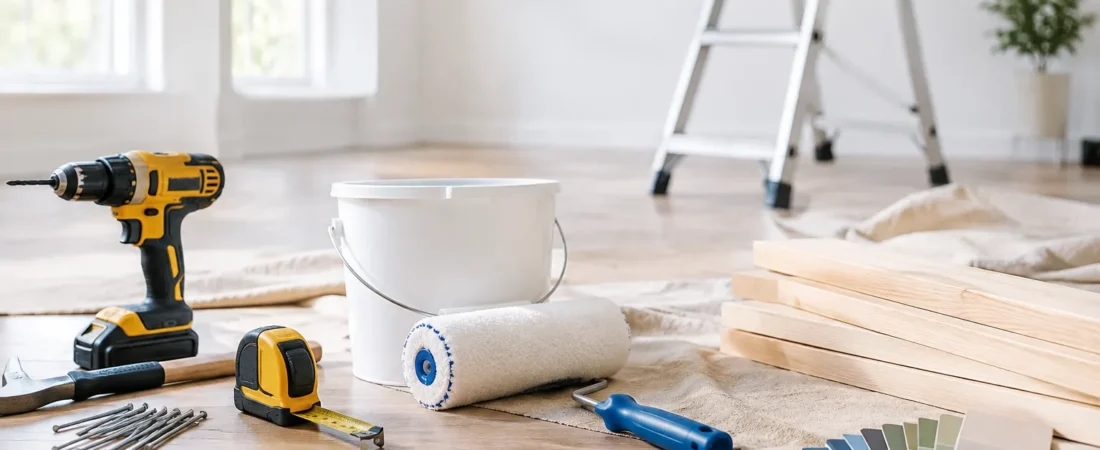
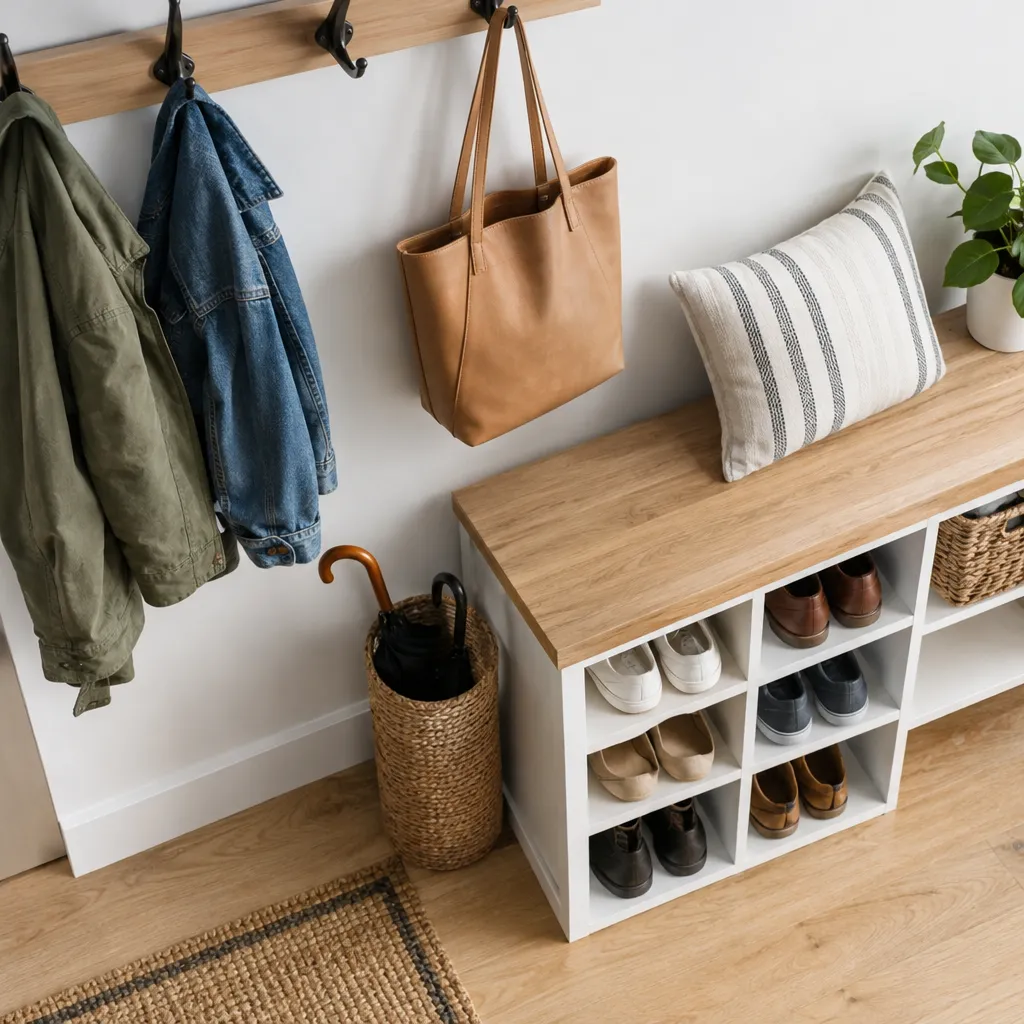
A small entryway storage setup can keep shoes, bags, and coats in one place without a full remodel. Choose hooks for hanging items, a bench for shoes, or a compact shelf when floor space is tight.
Measure the available wall and floor area first, then check the wall material before choosing fasteners. This suits homes with a clear landing spot; limited wall space or uncertain mounting makes the project less straightforward. Browse our home improvement guides for related planning advice.
2. Improve Bedroom Comfort With Light and Draft Control
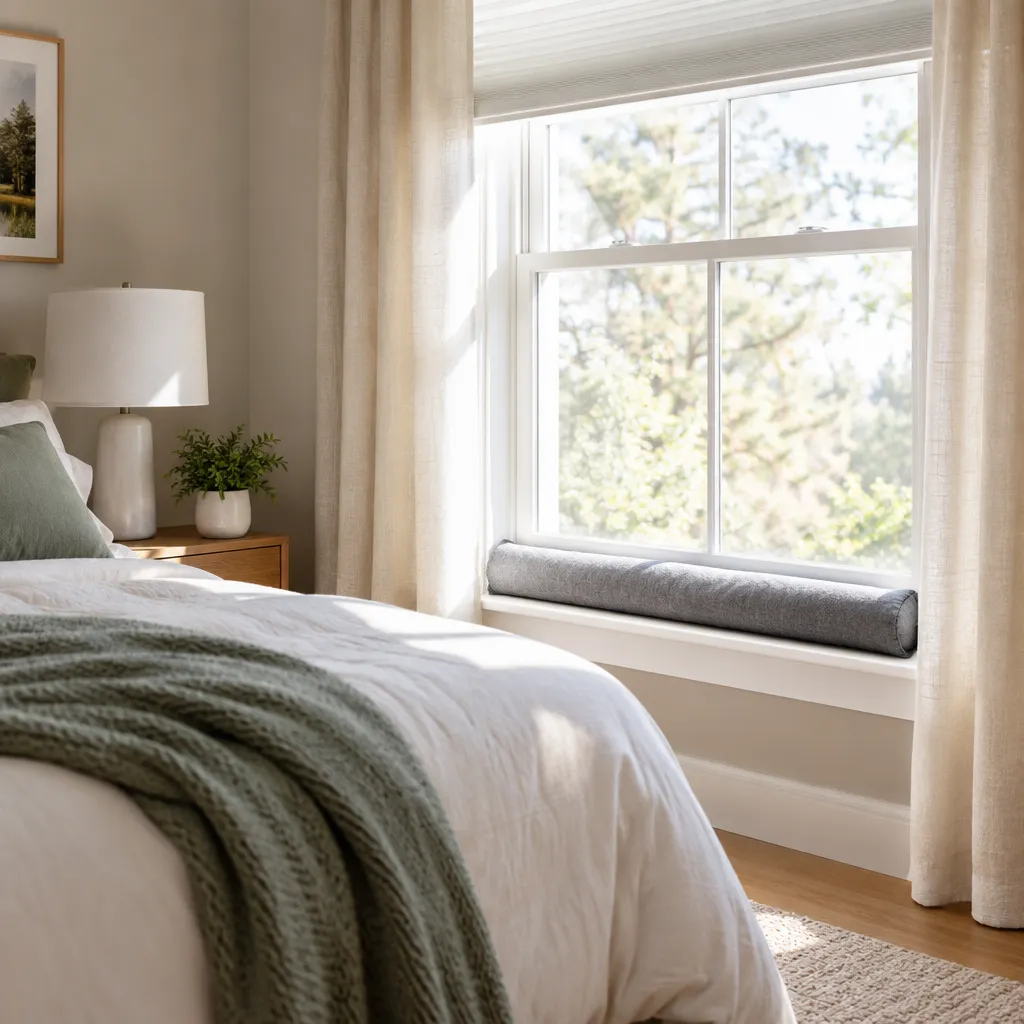
Blackout window treatments can limit incoming light, while sealing a minor draft can help make a bedroom feel more comfortable. Pick the option that addresses the specific nuisance rather than changing the whole window.
Measure the window before selecting a treatment, and check where air seems to enter before applying a seal. This is a good fit for a simple room adjustment; damaged frames or persistent drafts may point to a repair beyond basic fitting. Find more home improvement project ideas for other targeted updates.
3. Make Kitchen Storage Easier to Reach
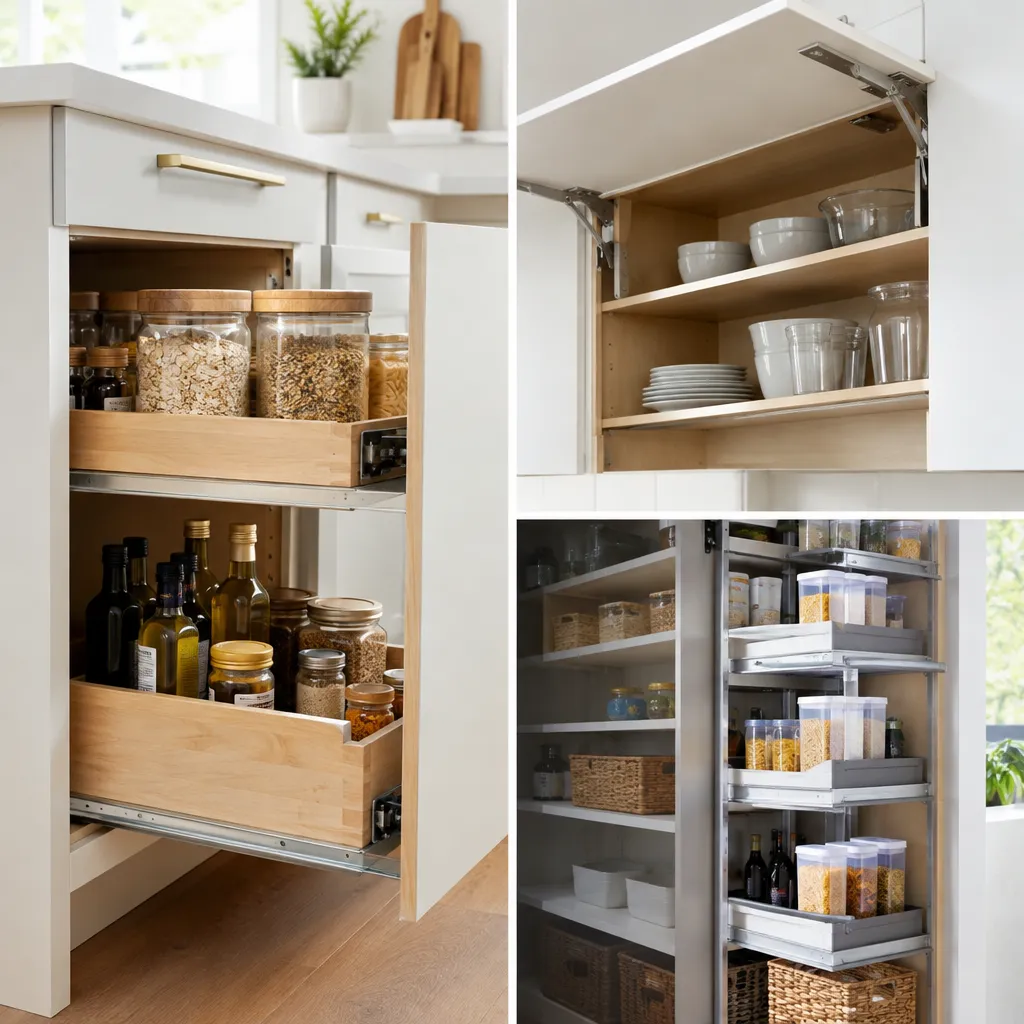
Pull-out organizers and shelf inserts can make kitchen items easier to reach without replacing cabinets. The right fit depends on cabinet dimensions, door clearance, and how the cabinet is built.
Measure the opening and interior depth, then compare those measurements with the organizer’s stated fitting requirements. This suits cabinets with usable interior space; unusual construction or obstructions can limit compatible options.
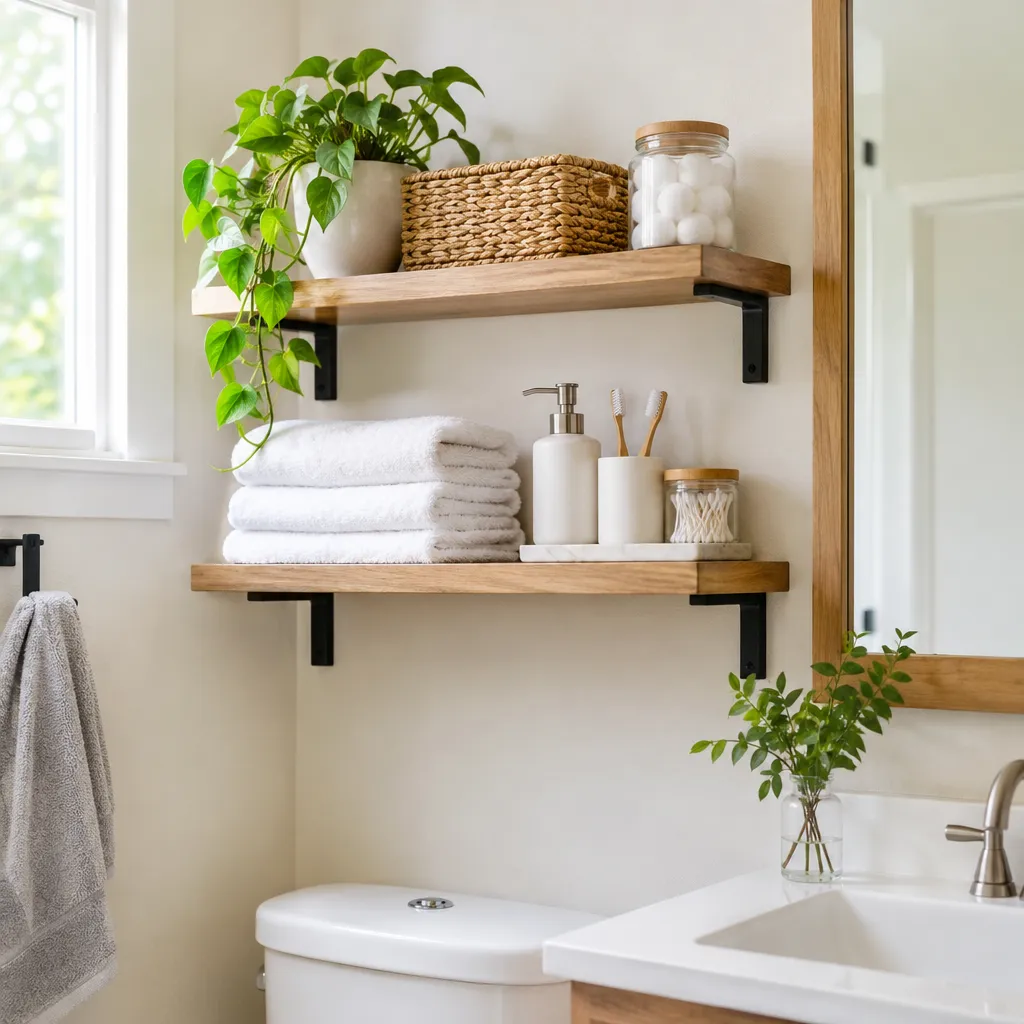
4. Reduce Bathroom Clutter With a Better-Fitted Shelf
A shelf sized to the available wall can clear bathroom surfaces and keep daily-use items together. A no-drill option may suit a light load and a compatible surface; a fixed shelf needs suitable mounting for its intended weight.
Check the product’s surface and load guidance before choosing a no-drill mount. For a fixed shelf, identify the wall material and use appropriate fasteners. This project is less suitable if the surface is damp, damaged, or uncertain.
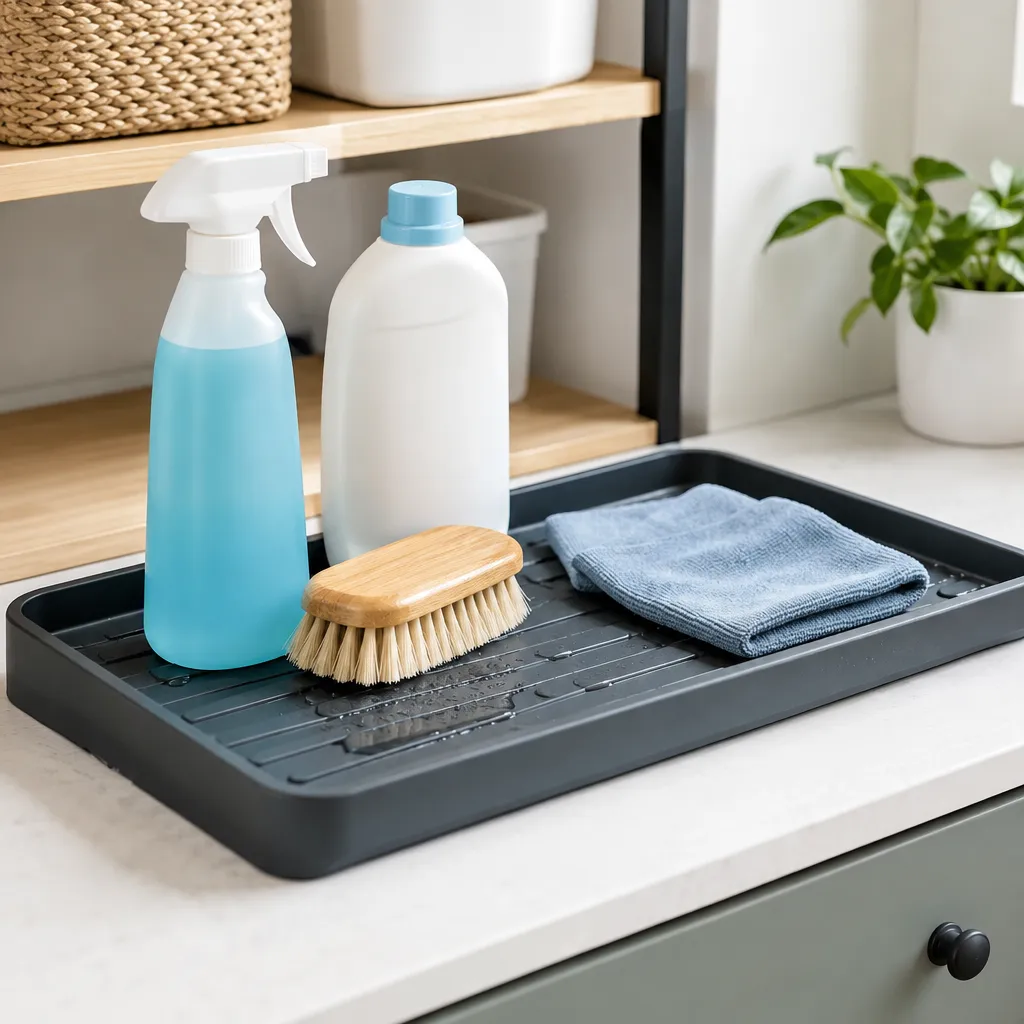
5. Simplify Routine Upkeep With a Drip-Ready Utility Area
A designated utility area makes cleaning supplies and basic maintenance tools easier to locate and return. Use a tray or other catch surface for items that may drip, and keep hazardous products inaccessible to children and pets.
Start with one shelf or cabinet and sort supplies by task. Add wall-mounted storage only after checking the wall and fasteners. This suits a home with a spare, accessible spot; cramped areas may need a smaller setup rather than more fixtures.

6. Choose Home Improvements Projects by Skill and Frustration
Choose the project that solves the most persistent problem and fits your tools, time, and confidence. A shelf insert may require measuring and fitting; wall-mounted storage adds decisions about wall material and secure fixing.
If a small repair reveals rot, an active leak, or damage you cannot assess, pause before covering it up. For broader DIY planning, use our beginner’s guide to DIY home improvement projects to compare scope and preparation.
Home Improvement Projects FAQ
These answers focus on practical first steps, realistic scope, and checking costs before work begins.
What are some good DIY projects I can do at home?
Useful DIY projects include adding entryway hooks, fitting a shelf insert, organizing a utility area, or installing a suitable bathroom shelf. Start with the task that addresses a specific frustration and matches your tools and skills.
What home renovation projects can I do for under $10,000?
The budget depends on location, materials, labor, and what the project uncovers, so no project can be guaranteed to stay under $10,000. Get itemized estimates and confirm material and permit needs before committing.
Pick One Home Project and Plan Its Scope
Start with one clearly defined household frustration, then check the measurements, materials, and skills the fix requires. A written scope helps reveal when a simple improvement may become a larger repair.
- Name the problem you want to solve, such as shoes blocking the entry or kitchen items being hard to reach.
- Measure the space and note nearby doors, fixtures, and obstructions.
- List the tools, materials, and mounting steps the project requires.
- Check the likely limits, including wall condition, damage, and whether the proposed fix suits the surface.
- Choose one project you can complete confidently, or pause and consult a qualified professional if the work exposes damage or uncertainty.