1. Make simple framed wall art from paper or fabric
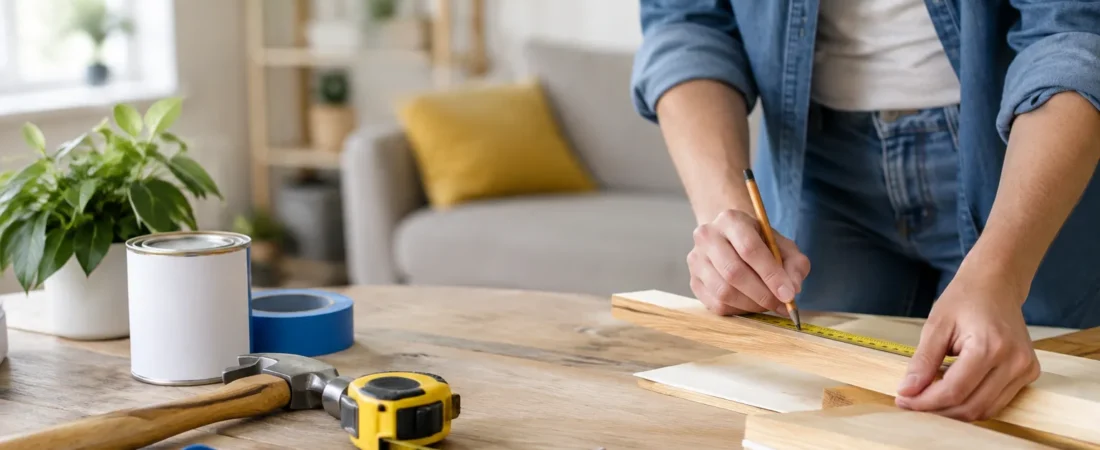
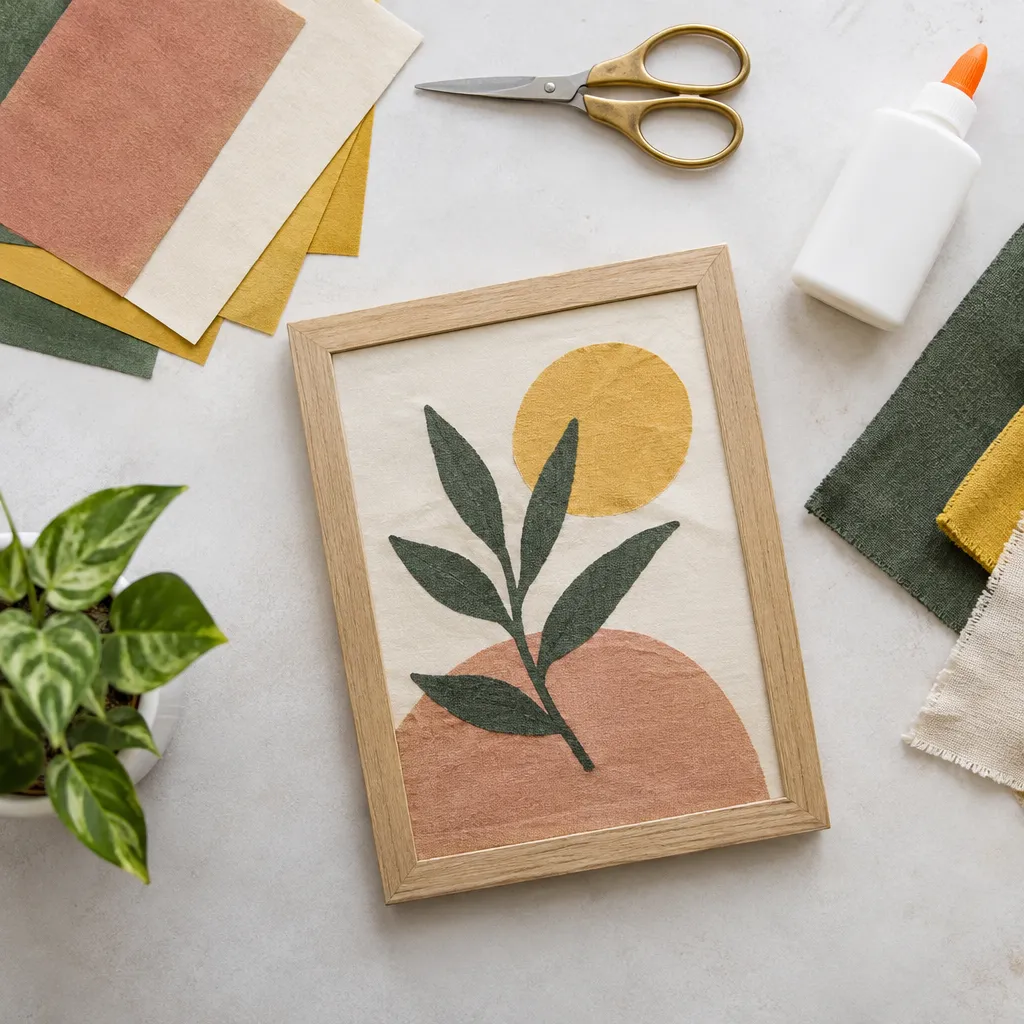
Paper or fabric in a ready-made frame makes an approachable wall-art project for a first-time maker. Start by measuring the frame’s backing, then cut your chosen material to fit; the main limitation is that hanging the finished piece may require drilling.
Use scissors and a ruler or measuring tape, and choose a frame with a backing that’s easy to remove. This is a good fit if you want a small craft with a clear endpoint. If you’re unsure how to mount it safely, use an existing hook or ask for help before drilling.
2. Refresh a small piece of furniture with paint
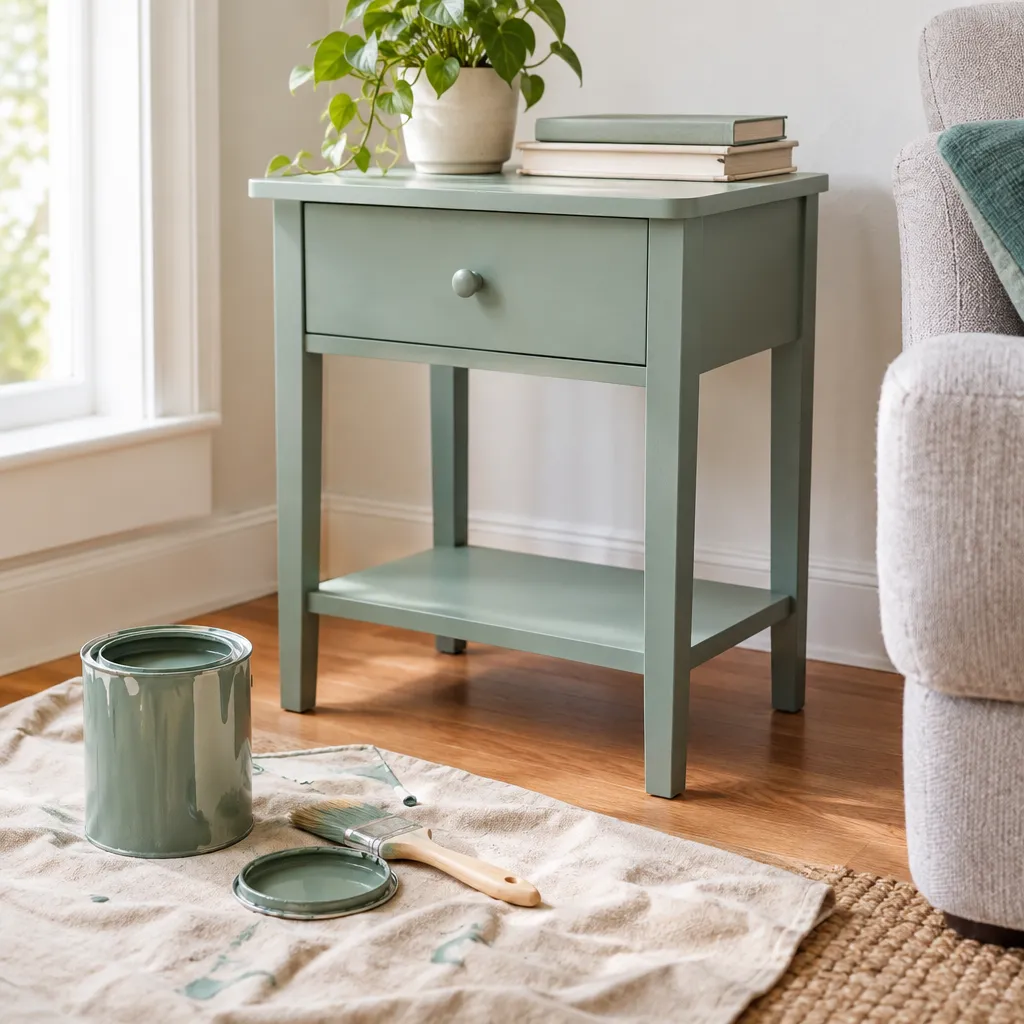
Painting a stable stool, side table, or similar small piece suits someone who wants a visible change without taking on a major repair. Clean it first, lightly sand where appropriate, and test the paint in an inconspicuous spot; the finish depends on the surface and preparation.
Gather a sanding block, cloth, primer, and paint suited to the furniture’s material. Don’t paint over a piece that wobbles or needs structural repair. For older painted furniture, check whether lead-paint precautions apply before sanding; the EPA’s lead-safe renovation guidance explains precautions for homes built before 1978.
3. Create a no-sew cushion cover from fabric
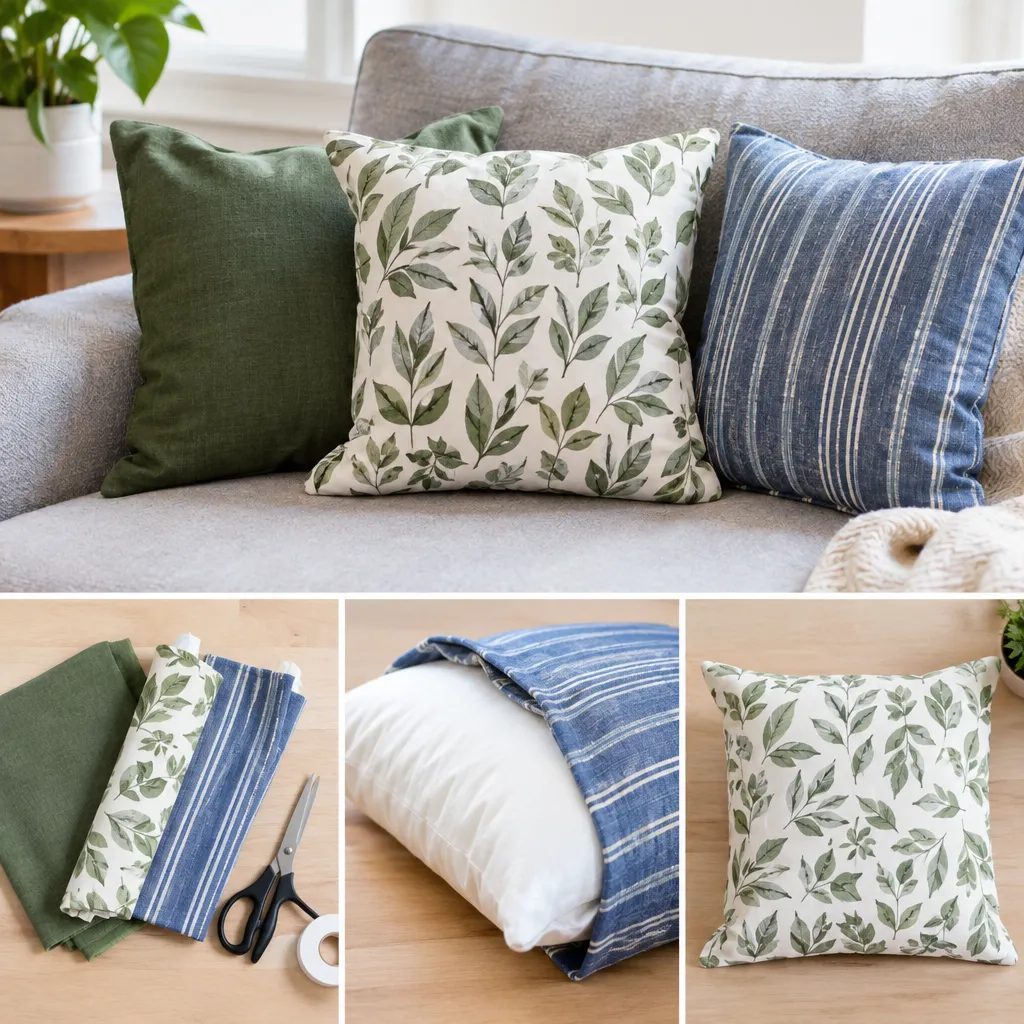
A no-sew cushion cover made with fabric and fabric tape can suit a beginner who wants a small textile project without using a sewing machine. Measure the cushion first, then plan the fabric pieces and tape placement; a complicated shape or fabric that won’t bond well can make this approach unsuitable.
You’ll need fabric, fabric tape, scissors, and a measuring tool. Check the tape’s directions for the fabric and intended use before cutting. If the cushion shape requires fitted seams or the material needs specialized tools, pause and consider a sewn cover instead.
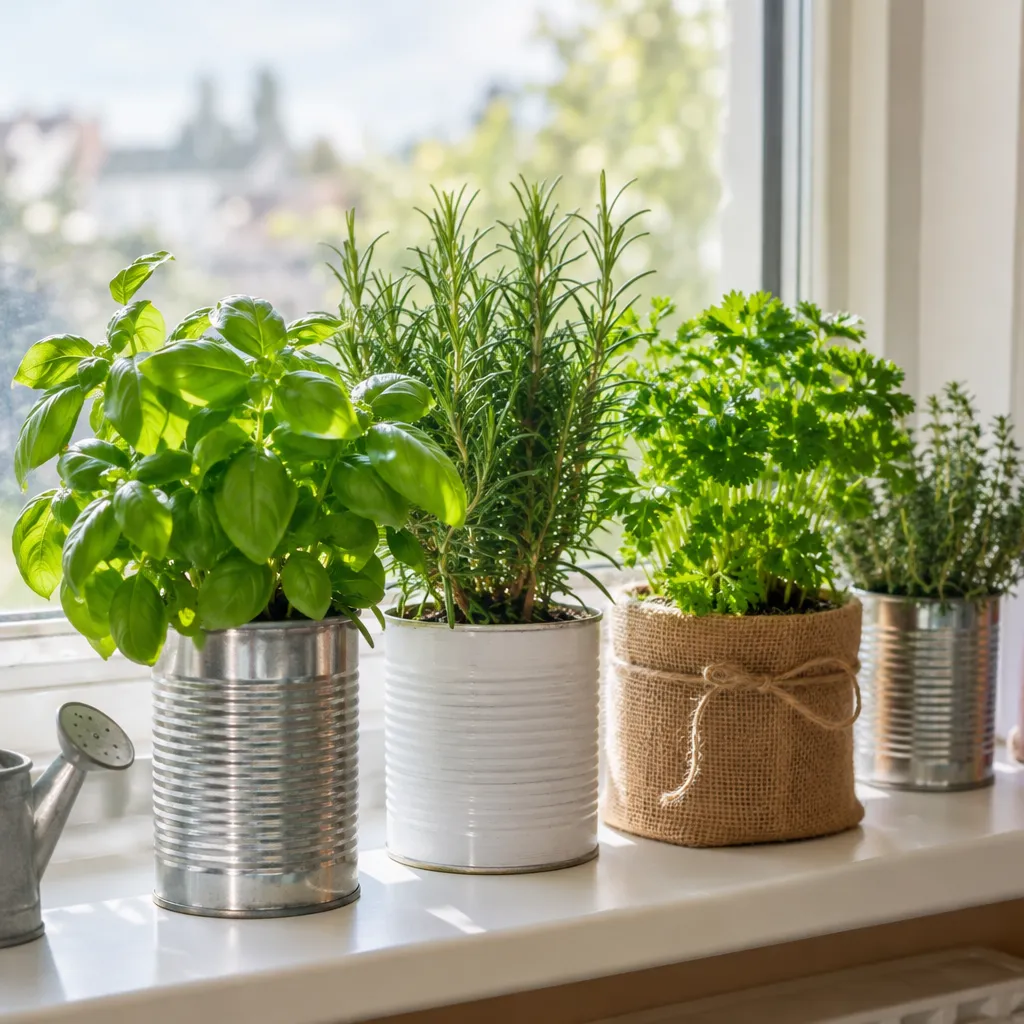
4. Build a windowsill herb garden in reused containers
A few reused containers can become a small herb garden for someone with a bright windowsill and room to manage drainage. First check the light and whether each container can drain; without suitable light or a way to handle excess water, the setup may not suit the space.
Gather containers, potting mix, and herbs that fit the location. Set containers on a tray to catch water, and check whether the plants are appropriate around children or pets before placing them within reach. Ask a knowledgeable local gardening resource if you’re unsure which plants suit your conditions.
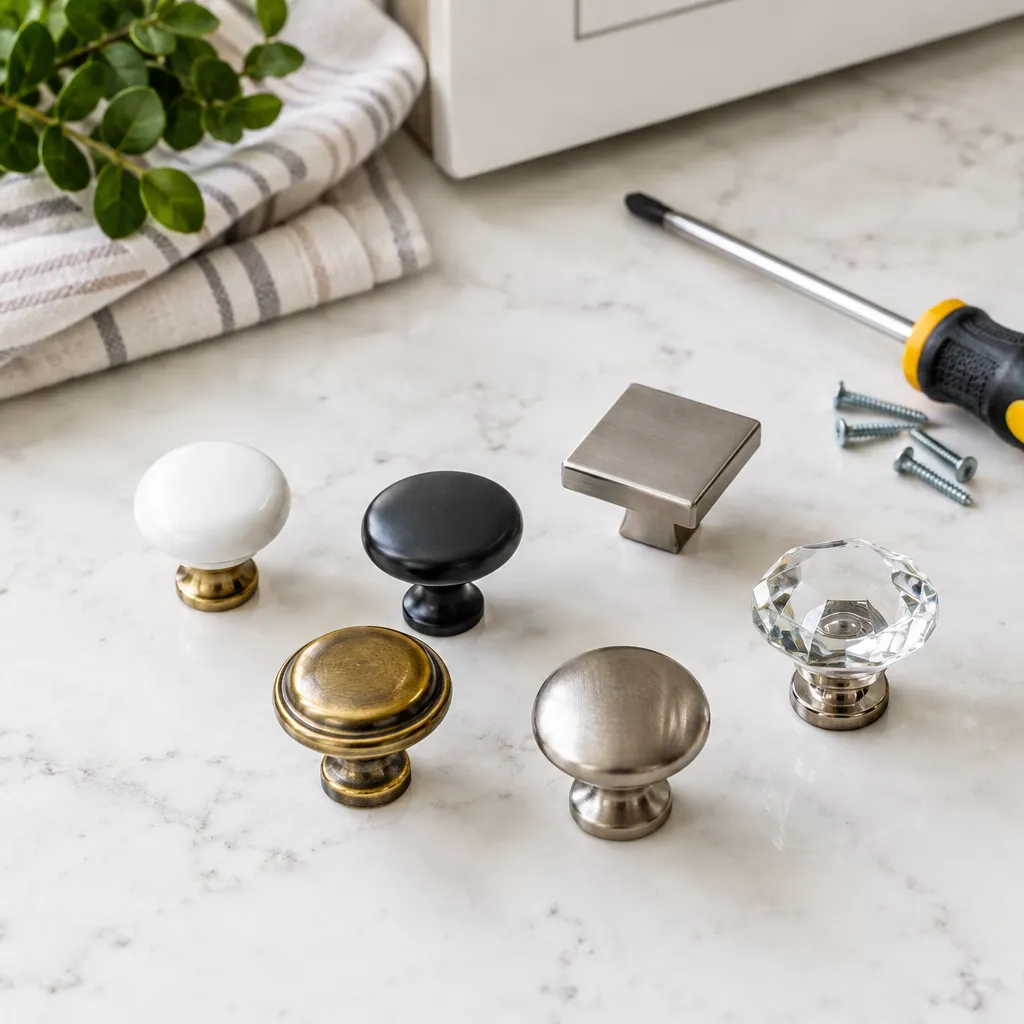
5. Replace cabinet knobs to update a kitchen or dresser
Replacing knobs is a practical choice for someone who wants a small hardware change without altering the cabinet. Remove one knob first and compare its fit with the replacement; knobs that don’t match the existing hole may require drilling, which changes the scope.
Use a screwdriver that fits the screw head, and keep the original hardware in case you need it. Check that the replacement sits securely without forcing the screw. If the wood or hardware is damaged, or you’re uncertain about drilling, stop and get help before modifying the cabinet.
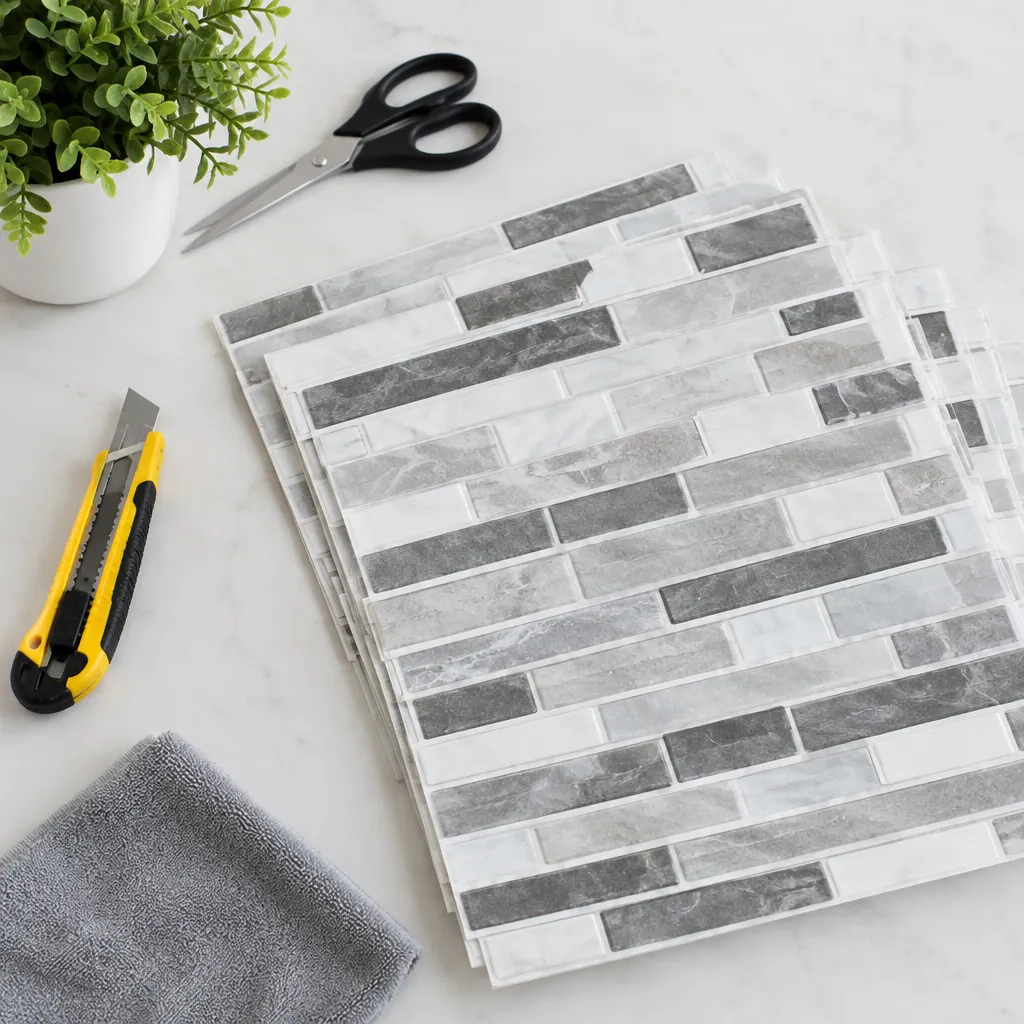
6. Add a peel-and-stick backsplash to a small area
A small peel-and-stick backsplash can suit a beginner working on a clean, sound surface away from problem areas. Test a sample on the wall first, then measure the area and check the product’s instructions; a damp, damaged, hot, or unsuitable surface can prevent a good fit.
Use scissors or a utility knife, a straightedge, and a measuring tool. Keep cutting controlled and work away from electrical fittings. If the wall is damp or damaged, or the area involves heat or fittings that need attention, address that issue before applying anything.

7. Choose a drawer-divider project and gather what it needs
A low-risk drawer is a sensible place to try adjustable or cut-to-fit dividers, especially if you want to organize one space without rebuilding it. Measure the drawer’s inside dimensions first, then choose dividers that fit; cutting material or altering a drawer adds effort and risk.
Gather a measuring tool and the divider materials, and check whether the drawer opens and closes freely before and after installation. Start with an adjustable option if you’re unsure about cutting. Pause if the drawer is damaged or you don’t know how to handle the material safely.
Easy DIY Projects FAQ
What are some easy projects I can do at home?
Try framed art, a painted small furniture piece, a no-sew cushion cover, or drawer dividers. Choose based on the tools you have and whether the surface or material needs repair first.
What can I make at home DIY?
You can make framed wall art, a fabric cushion cover, or a small herb garden using containers you already have. Measure first and check that the materials suit the intended use.
What are the most common DIY projects?
Common beginner-friendly project types include painting, simple decor, small hardware updates, and basic organizing. The right starting point is a task that needs no unfamiliar tools or hidden repairs.
Recommended next steps
- Choose one project that fits your available tools, space, and experience.
- Check the surface, material, and safety concerns before buying supplies or cutting anything.
- Measure the work area and write down the materials you still need.
- Start with a small, reversible task, and stop if you uncover damage or a step you’re not prepared to handle.
- Browse House Project Lab’s DIY project guides for practical ideas for your next home project.