
If your air conditioner keeps shutting off, makes a new noise, leaks water, or no longer cools properly, it may need more than a simple filter change. This guide explains when to arrange air conditioner AC repair, what you can safely do before a technician arrives, and how to ask clear questions about diagnosis, cost, and follow-up.
AC warning signs that call for professional repair
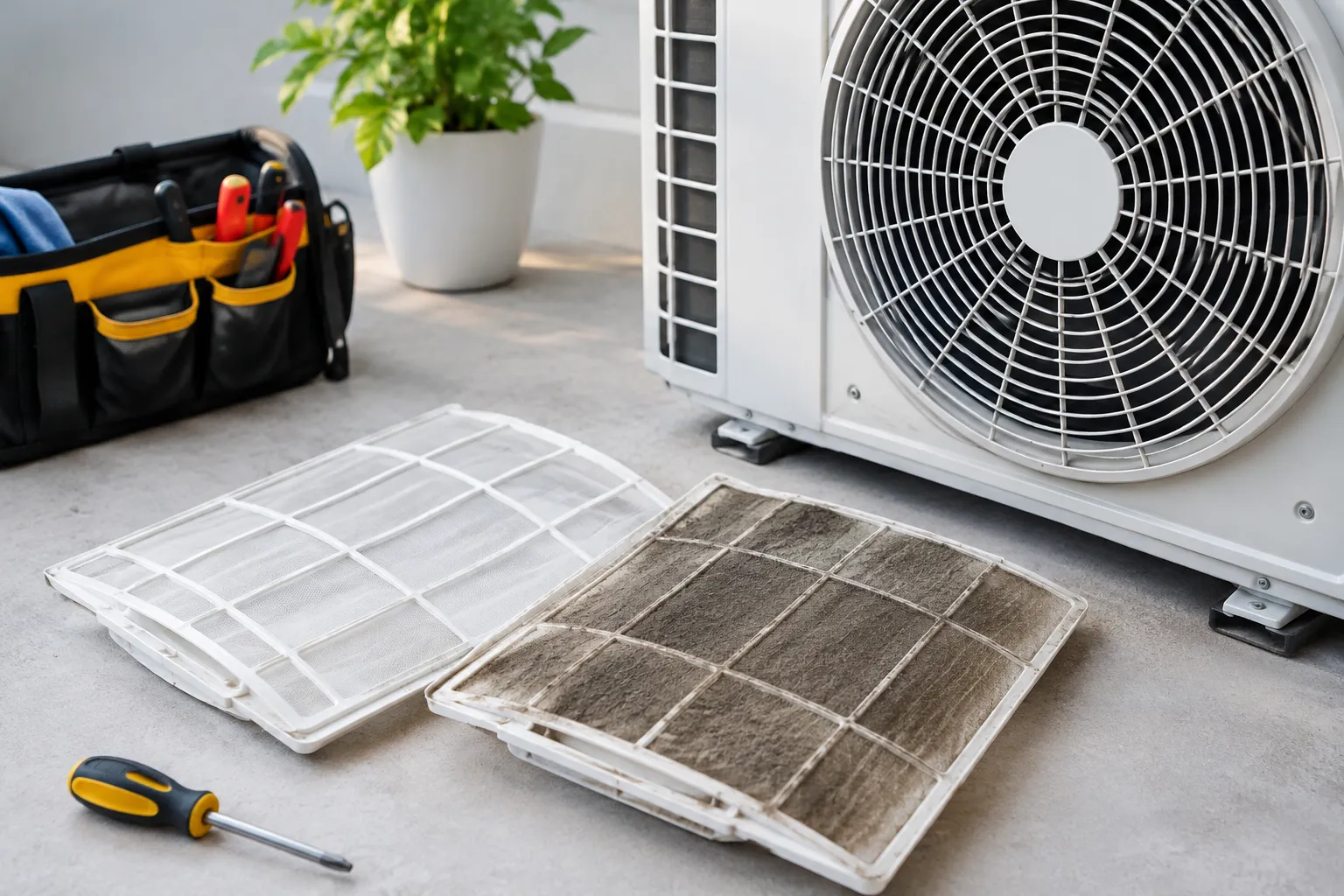
Some changes in performance can point to a fault that needs professional diagnosis. Arrange service if the system repeatedly starts and stops, runs without cooling the home, or makes new grinding, buzzing, rattling, or banging noises. A persistent burning or electrical smell is also a reason to stop using the equipment and seek help.
Water around an indoor unit or near the air handler should not be ignored. A blocked drain may be one possible cause, but a leak can also signal another problem. If water is near electrical components, do not touch the equipment; shut it down if you can do so safely and contact a technician.
Weak airflow or uneven cooling may come from a simple issue, such as a dirty filter, but it can also reflect a problem within the system. If basic, safe checks do not resolve the symptom—or it returns soon afterward—book an assessment rather than repeatedly restarting the unit.
For practical guidance on choosing what to tackle and when to seek help, browse our home repair guides. When you are deciding whether a symptom is safe to check yourself, see our guide to safe AC repair checks.
Safe steps to take before an AC technician arrives
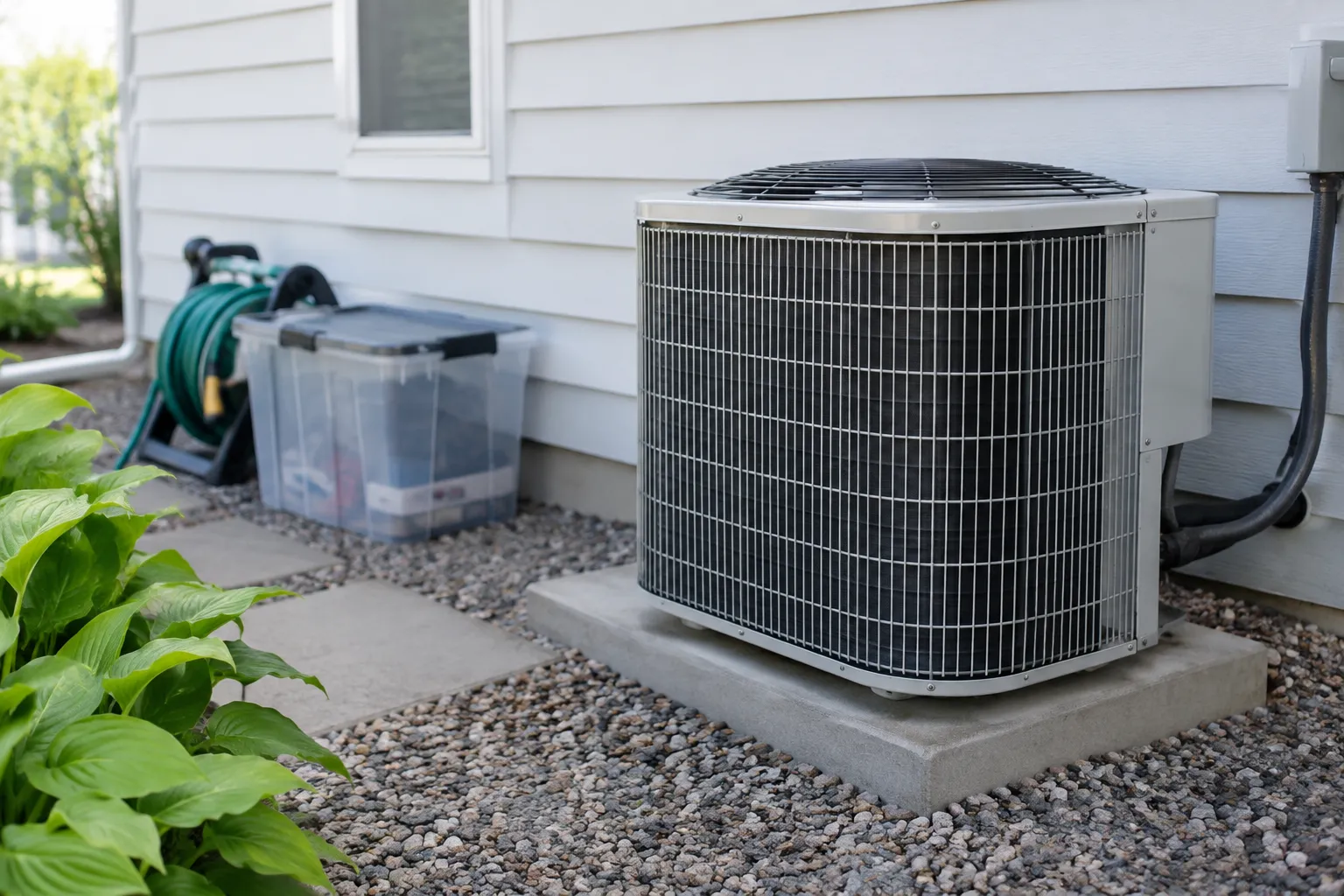
If you notice smoke, a burning odor, sparks, or a loud and sudden mechanical noise, turn the system off at the thermostat. If there is an immediate electrical hazard or you cannot shut it down safely, keep clear and contact an appropriate professional. Do not open equipment panels or handle wiring, capacitors, refrigerant lines, or other internal components.
For less urgent symptoms, you can take a few low-risk steps without dismantling the system:
- Set the thermostat to off and note any display message or error code.
- Check whether the air filter looks heavily clogged. Replace it only if you can access it safely and know the correct size and orientation.
- Make sure supply vents and return grilles are not blocked by furniture or other items.
- Look from a safe distance for visible water, ice, or damage. Do not chip ice away or reach into the unit.
- If the equipment continues to behave abnormally, leave it off until you have professional advice.
Use a breaker only if you know which one controls the system and can reach the panel safely. Do not repeatedly reset a breaker that trips; a recurring trip can indicate an electrical fault that needs diagnosis. These steps are not a substitute for a repair inspection. For more detail on basic checks and their limits, read safe AC repair checks.
What to note before booking air conditioner AC repair
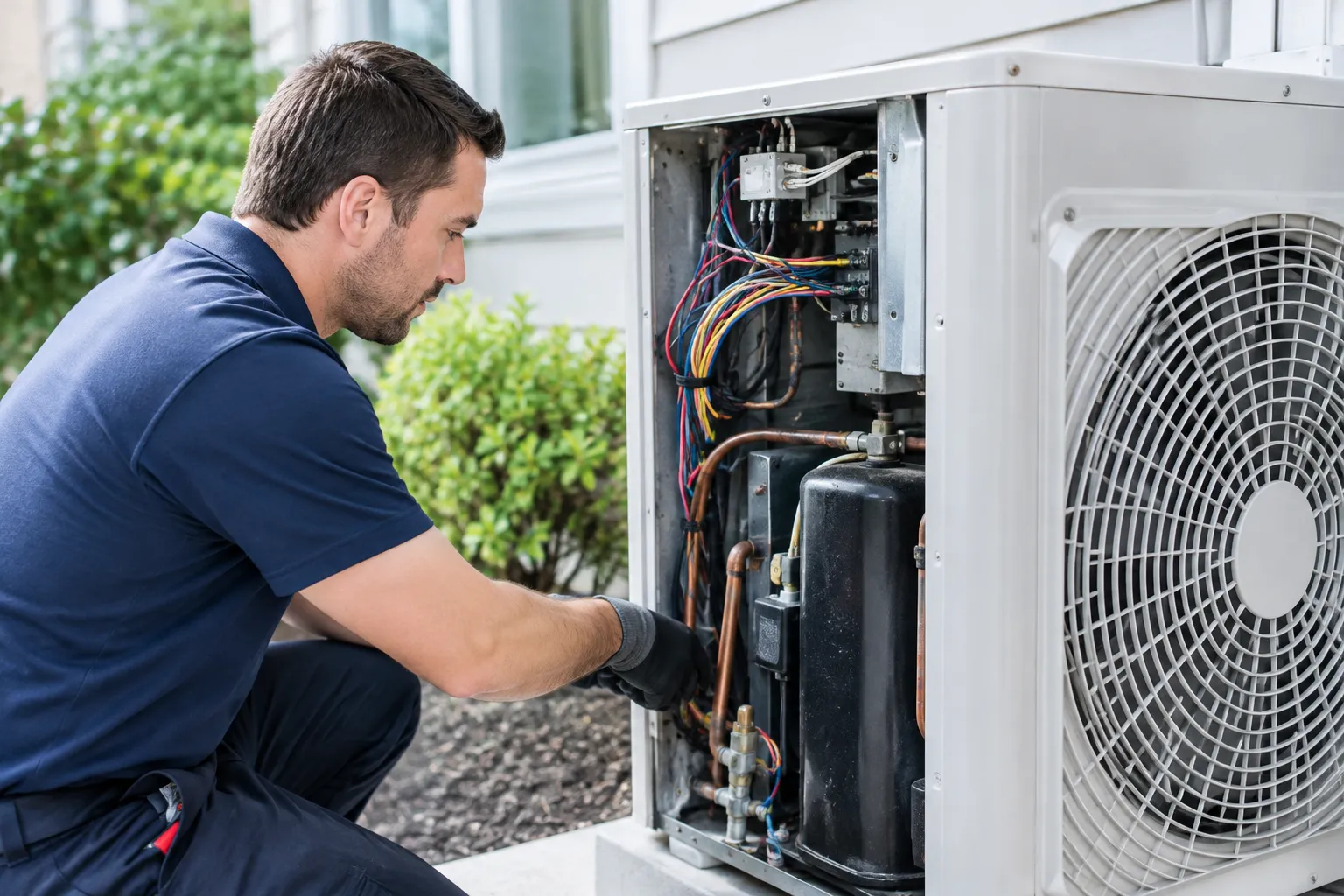
A few observations can help a technician understand the problem and prepare for the appointment. Write down:
- When the symptom began and whether it happens continuously or intermittently.
- Which rooms are affected and whether airflow or temperature differs between them.
- What the system was doing when the issue appeared, such as starting, running, or shutting off.
- Any sounds, odors, water, ice, or thermostat messages you noticed.
- Recent changes, such as a power interruption, filter replacement, or work near the equipment.
- Whether the system has stopped cooling completely or still runs with reduced performance.
If you can do so safely, take a photo of a thermostat message or visible water, but do not remove panels or approach damaged equipment to get one. Share the system’s make and model if the information is readily available on an accessible label. Do not climb, move heavy equipment, or touch wiring to find it.
For a broader overview of arranging service and communicating the issue, see our guide to air conditioner repair.
Questions to ask about diagnosis and repair options
A useful service conversation should explain what the technician found, what the proposed repair addresses, and what to expect afterward. You do not need to know HVAC terminology to ask for a plain-language explanation.
Ask how the cause was identified
Ask what inspection or tests support the diagnosis and whether the findings match the symptoms you reported. If the proposed repair addresses one part of the system, ask whether the technician checked for a related issue that could cause the same symptom to return.
A clear explanation should connect the observed fault to the recommended work. If something is uncertain, ask what additional testing would clarify it and whether that testing has a separate charge before authorizing it.
Compare repair options and written estimates
Request a written estimate that identifies the work, parts and labor included, and any additional charges that may apply. If there is more than one reasonable option, ask what each fixes, what it does not address, and whether delaying a repair could lead to further problems.
Ask whether parts and labor have separate warranty terms, how long each applies, and what conditions could affect coverage. If the estimate is unclear or the scope changes, pause to review the updated details before approving additional work. Comparing estimates is more useful when each describes the same repair scope.
Clarify follow-up and signs of recurrence
Before the technician leaves, ask what changes you should expect after the repair and what symptoms mean the problem may be returning. Confirm whom to contact if the system behaves as it did before, and whether a follow-up visit or further testing is recommended.
Keep the estimate, invoice, and any service notes together. They can help you explain what was repaired if the same issue recurs or another technician needs to assess the system.
AC Repair FAQs
What is the average cost to repair an air conditioner?
There is no single average that applies to every repair; the price depends on the fault, parts, labor, system, and location. Ask for an itemized estimate before authorizing work.
What is the $5,000 rule for deciding whether to replace an air conditioner?
The $5,000 rule is a rough comparison that multiplies the unit’s age by the repair estimate; it is not a universal replacement standard. Use it only as one discussion point alongside condition, repair scope, and replacement estimates.
How long do central air conditioners typically last?
Many central air conditioners last roughly 15 to 20 years, but climate, maintenance, installation, and use affect service life. A technician can assess the condition of a specific system.
Are some air conditioner brands best avoided?
There is no reliable rule that every homeowner should avoid a particular brand. Compare the specific model’s warranty, parts availability, service support in your area, and the technician’s assessment.
Does homeowners insurance cover air conditioner repairs?
Homeowners insurance may cover damage from a covered event, but routine wear, aging, or maintenance-related breakdowns are generally treated differently. Check your policy and ask your insurer how the cause of damage affects coverage.
Does a home warranty cover air conditioner repair?
A home warranty may cover certain AC breakdowns, subject to its contract, exclusions, service fees, and claim process. Review the terms and confirm coverage before authorizing work.
How often should an air conditioner receive professional maintenance?
A common maintenance approach is to have a central AC system checked once a year, often before the cooling season. Follow the equipment manufacturer’s guidance and address unusual symptoms promptly rather than waiting for a tune-up.
Can a clogged condensate drain cause an air conditioner to stop working?
Yes. A clogged condensate drain can cause water to back up, and some systems shut down when a safety switch detects the backup. If water is leaking or the unit stops, turn it off and arrange an assessment.
Decide when to schedule AC service
If your AC has a persistent leak, unusual odor or noise, repeated shutdowns, or poor cooling that does not improve after safe basic checks, arrange air conditioner AC repair. Leave the system off when you suspect an electrical or mechanical hazard, and do not open panels or attempt work on refrigerant or wiring.
Before booking, gather your symptom notes, any thermostat messages, and the system details you can access safely. Ask for a clear diagnosis, a written explanation of the proposed work, and the terms for follow-up. If the cause or scope remains uncertain, ask what further inspection is needed before agreeing to a repair. When there is a safety concern or the problem exceeds basic checks, consult a qualified HVAC professional for advice on your specific system.