
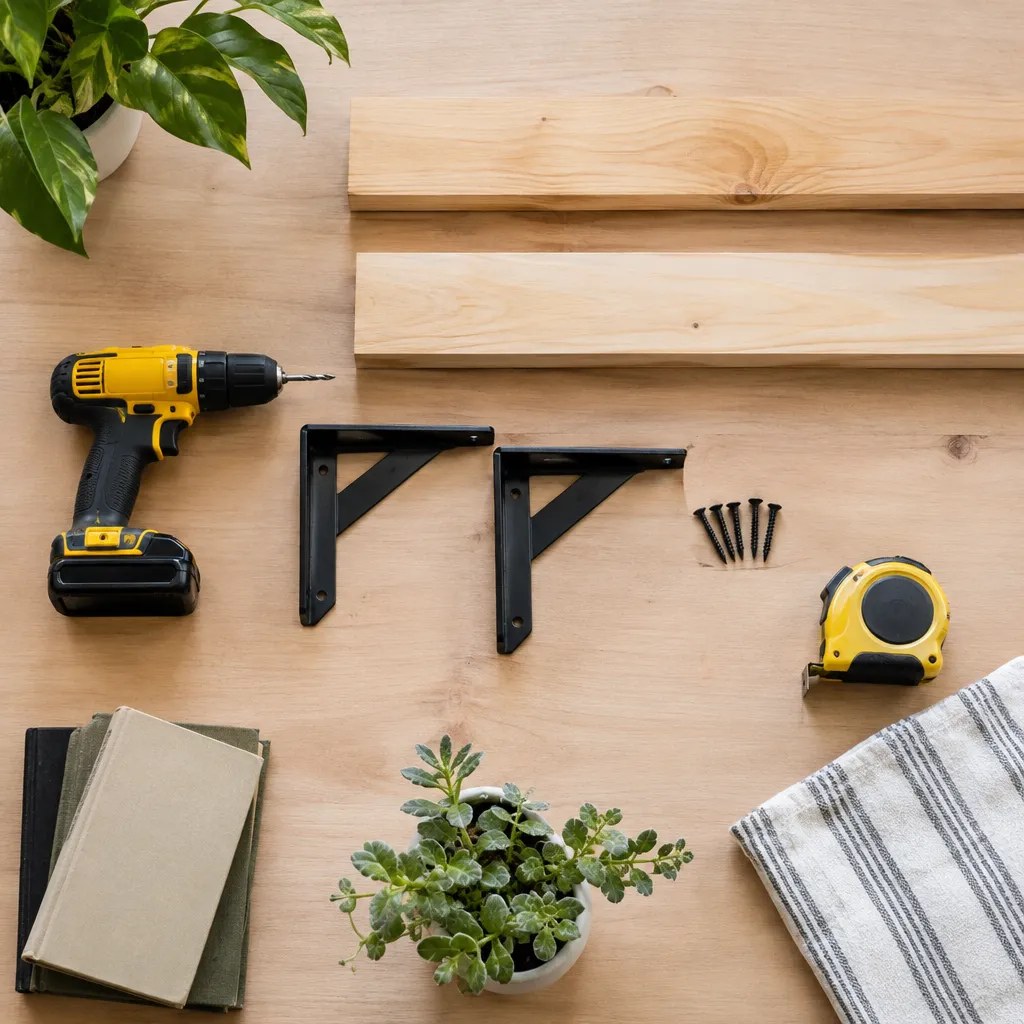
1. Living room: build floating shelves for books and decor
Floating shelves add storage without taking up floor space. Measure the wall and shelf location, then gather a level, tape measure, drill, and anchors suited to the wall and expected load. Difficulty is moderate: check for concealed wiring before drilling, and stop if you cannot confirm the drilling area is safe. Explore more home project guides for ideas beyond this room.

2. Kitchen: refresh cabinet hardware and add a backsplash
For a quick visual change, replace cabinet knobs or pulls; match the existing hole spacing or fill and redrill carefully. A backsplash takes more preparation: clean the surface, plan the layout, and use the tools and materials specified for your chosen method. These beginner-friendly beginner home improvement projects can help you choose a suitable scope. Get professional help if plumbing needs to move or the wall is uneven or damaged.
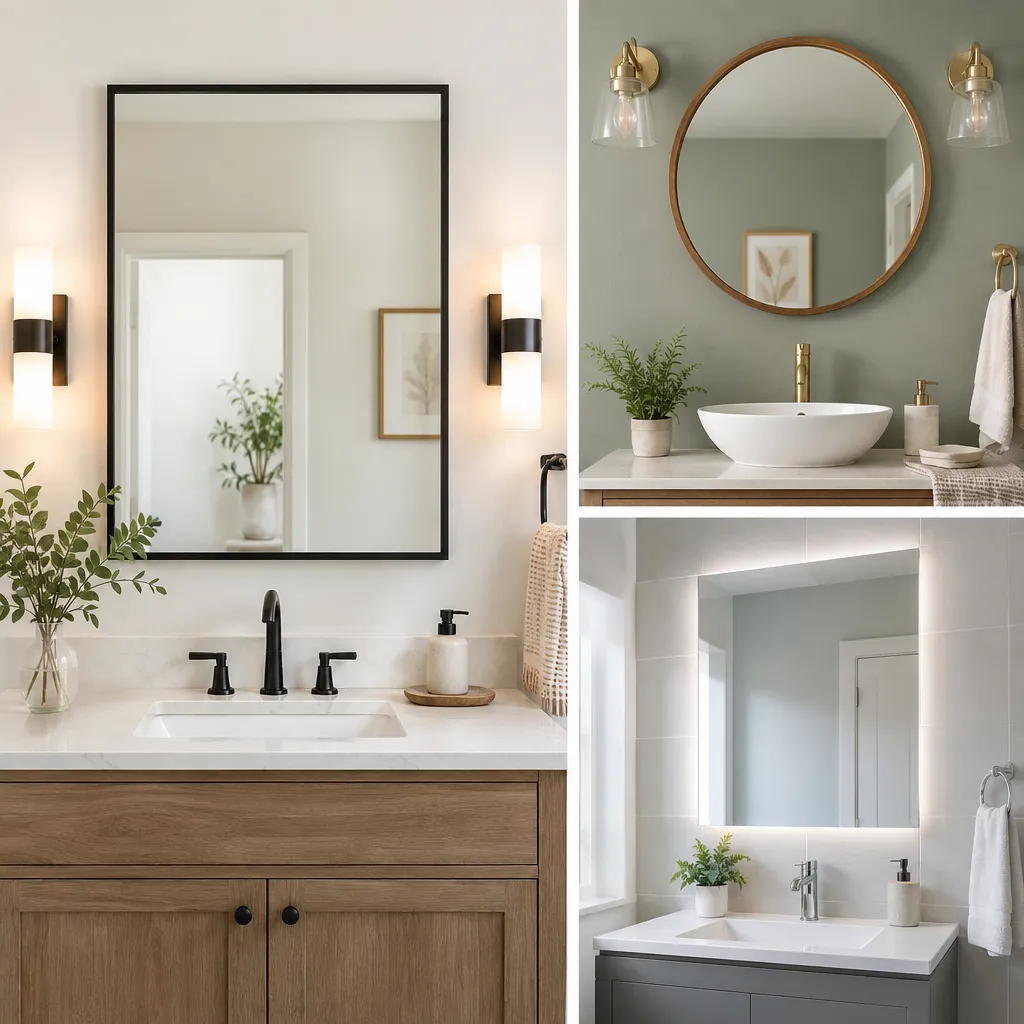
3. Bathroom: replace a mirror and update small fixtures
A mirror or towel-bar update can refresh a bathroom without disturbing plumbing. Measure first, use a level and suitable fasteners, and have another person help with a heavy mirror. For broader home improvement planning, keep cosmetic work separate from repairs. If you find a leak, damp material, or hidden damage, stop before covering it and get the source assessed.

4. Bedroom: create a painted accent wall
Painting one bedroom wall is a practical beginner project. You will need paint, a roller and tray, a brush, painter’s tape, drop cloths, and basic patching supplies. Move or cover furniture, clean the surface, fill small holes, and let repairs dry before sanding and painting. Larger cracks, peeling paint, or recurring dampness need investigation before a fresh coat.
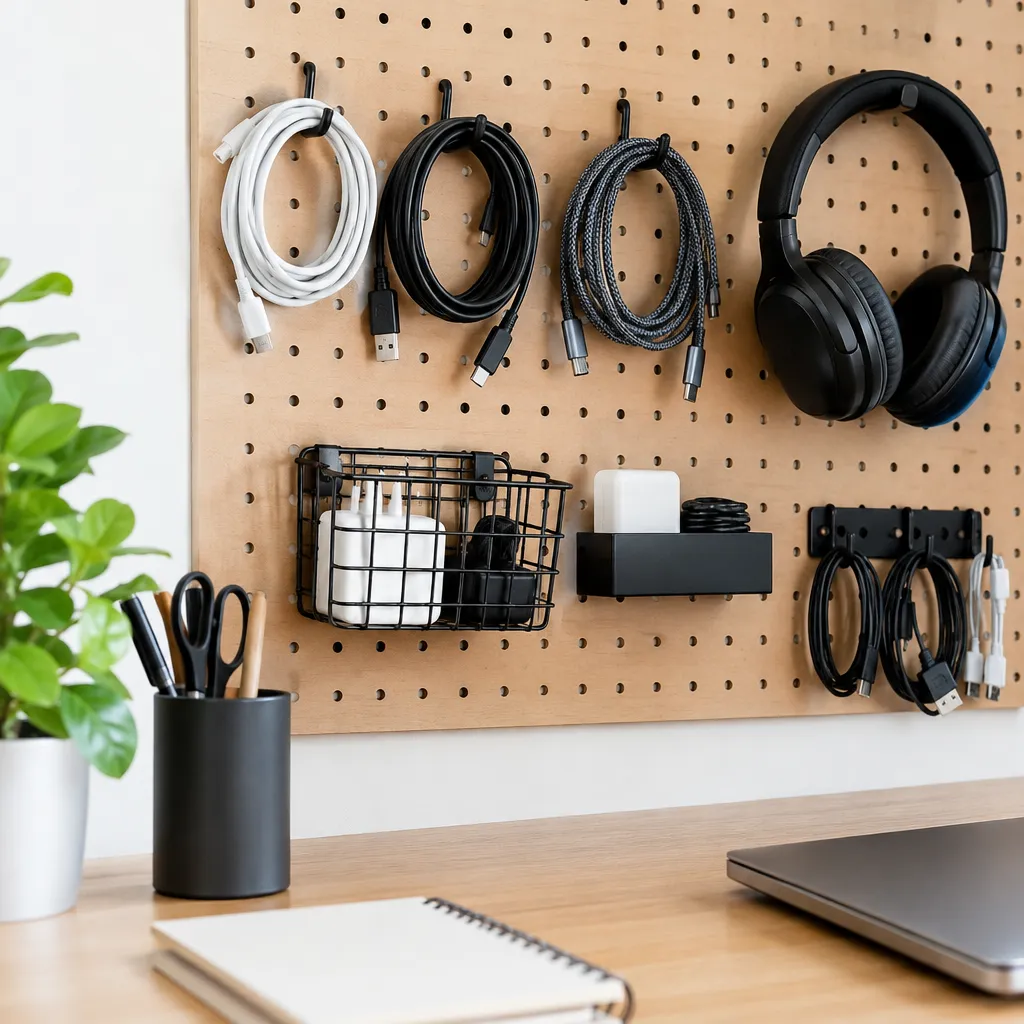
5. Home office: organize cables and mount a pegboard
A pegboard can keep frequently used items accessible, while simple cable routing reduces clutter around a desk. Plan the layout first, then use a tape measure, level, drill, and fasteners suited to the wall and the load. Check for concealed utilities before drilling. If you are unsure what is behind the wall, choose a non-drilled organizing option instead.

6. Laundry room: add a shelf above the machines
A shelf can make laundry supplies easier to reach, but measure the machines and leave enough room to use and maintain them. Use a level, drill, and anchors or framing attachment appropriate for the wall and shelf load. Keep hoses, dryer vents, and electrical connections accessible; do not block or compress them to make the shelf fit.
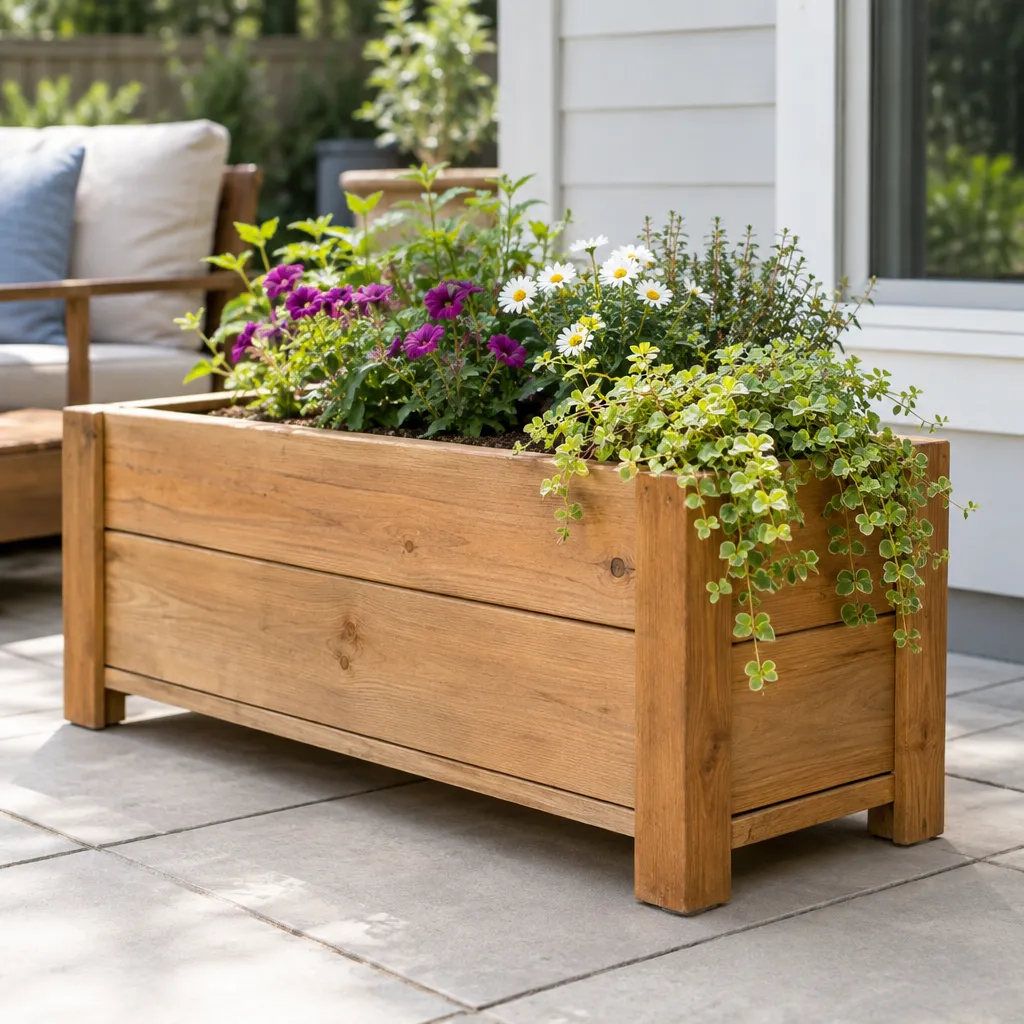
7. Patio: assemble a simple planter box
A basic planter box is a suitable first outdoor woodworking project if you can measure and make straight cuts. Choose materials appropriate for outdoor use, and gather a saw, drill, exterior-rated fasteners, and protective finish if needed. Wear eye protection when cutting or drilling. If you do not have a safe cutting setup, ask a lumber supplier about cutting options before you start.
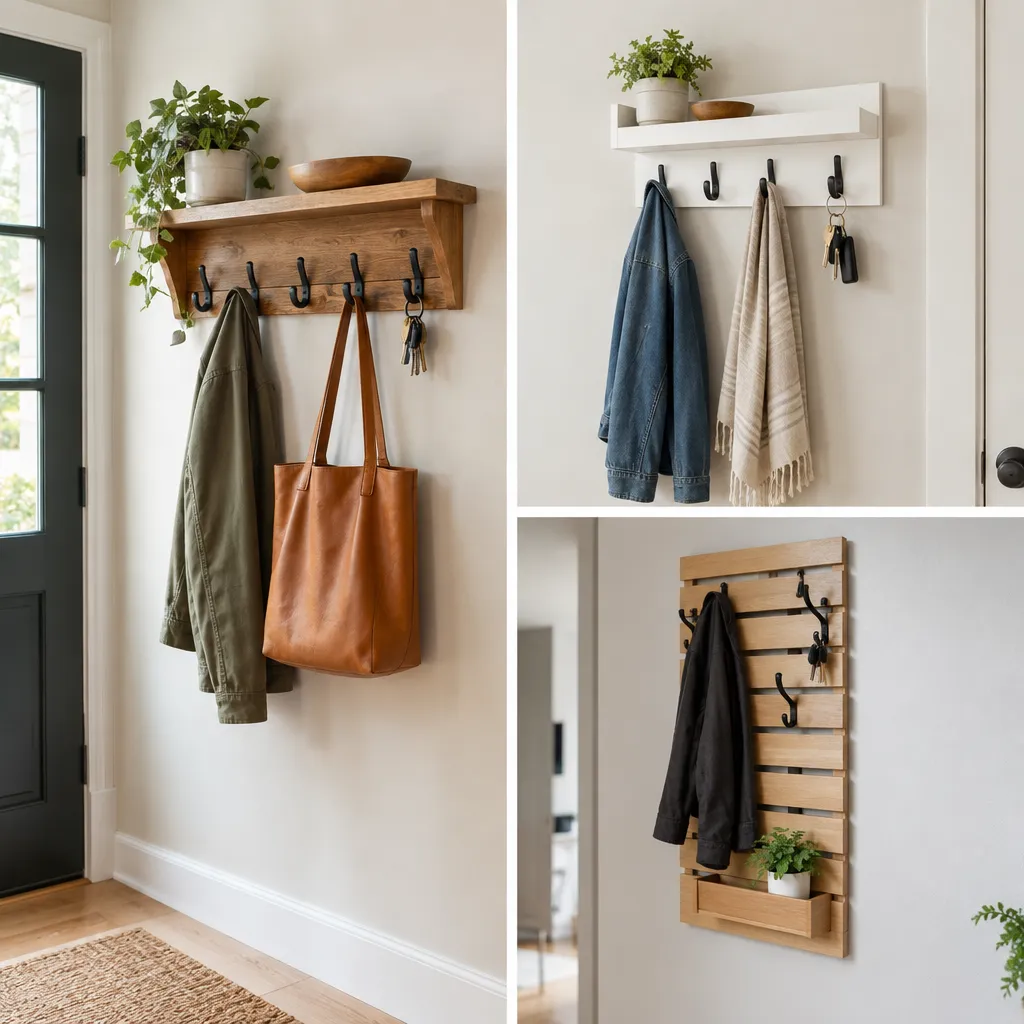
8. Entryway: build a wall-mounted coat and key organizer
A simple board with hooks can give keys and coats a defined place. Sketch the layout, measure the wall, and choose fasteners based on the wall type and expected weight. Use a level and check for concealed utilities before drilling. If secure mounting requires work you cannot do confidently, start with a freestanding organizer instead.
DIY Home Project FAQs
What is a DIY project?
A DIY project is a home task you plan and complete yourself, such as painting a wall, installing a shelf, or organizing a room. Good house DIY projects match your skills, tools, and ability to prepare the work area safely.
What tools do I need for DIY projects?
The tools depend on the task, but a tape measure, level, screwdriver, drill, safety glasses, and work gloves cover many basic projects. Check the project instructions and fastener requirements before buying or borrowing tools.
What are some easy DIY projects for home?
Painting a small wall, replacing cabinet hardware, organizing cables, or assembling a simple planter are approachable DIY home projects. Choose work that does not involve unknown wiring, plumbing, structural changes, or signs of water damage.
How can I tell whether a DIY project is within my skill level?
Read the full instructions before starting and check whether you can safely complete each step with tools you have or can access. If the project involves unfamiliar utilities, structural work, or hidden damage, pause and get qualified help.
When do home improvement projects require a permit?
Permit requirements vary by location and project. Contact your local building department before work involving structural changes, new or relocated plumbing or electrical systems, or other work that may be regulated.
How should I protect floors and furniture during a DIY project?
Move furniture out of the work area when possible, cover remaining items, and protect floors with a suitable drop cloth or floor covering. Secure coverings to reduce tripping, and keep dust and debris contained as you work.
What should I do if I uncover mold or water damage during a project?
Stop work and avoid covering or disturbing the affected area until you understand the cause and extent. Address the moisture source and seek qualified help if damage is extensive, recurring, or hidden behind a wall or fixture.
How can I estimate the materials needed before starting a home project?
Measure the work area and follow the material maker’s coverage or quantity guidance, accounting for cuts and layout. Check measurements twice and confirm quantities before starting, especially when matching finishes or buying materials in batches.
Recommended next steps
Choose one project that addresses a useful update without hiding an unresolved repair. Write down the tools, materials, preparation, and safety checks it requires; if the task reveals rot, leaks, or other damage, reassess the scope before continuing.