
DIY Garage Organization Systems Cost: Complete 2026-2027 Breakdown by Type
📊 Key Facts
- DIY garage organization systems cost ranges from $150 to $3,500+ depending on type and size
- Basic wood shelving costs $150-$400 for DIY versus $600-$1,200 for professional installation
- Modular cabinet systems most expensive option: $600-$1,800 DIY, $2,000-$5,000 professional
- Wall-mounted pegboard cheapest option at $100-$250 DIY material costs
- DIY savings potential ranges from $300-$3,200 compared to professional installation costs
Let’s be honest — most garage organization guides either lowball the costs or completely ignore the sneaky expenses that hit you halfway through the project. This guide is different. We’re doing a real, itemized breakdown of DIY garage organization systems cost by type, including materials, tools, hidden expenses, and how DIY stacks up against professional installation.
Disclosure: This post contains affiliate links to Home Depot, Lowe’s, and Amazon. We may earn a commission at no extra cost to you. All prices listed reflect 2026 market data and can fluctuate — always verify current pricing before purchasing.
What Does a DIY Garage Organization System Actually Cost?
Here’s the honest short answer: anywhere from $150 to $3,500+, depending on system type, garage size, and whether you already own the tools.
The table below gives a quick overview before we dig into each category:
| System Type | DIY Material Cost (2-car garage) | Avg. Pro Installation | DIY Savings Potential |
|---|---|---|---|
| Basic Wood Shelving | $150–$400 | $600–$1,200 | $450–$800 |
| Wall-Mounted Pegboard | $100–$250 | $400–$700 | $300–$500 |
| Slatwall / Rail Systems | $300–$700 | $800–$1,500 | $500–$800 |
| Modular Cabinet Systems | $600–$1,800 | $2,000–$5,000 | $1,400–$3,200 |
| Overhead Storage Racks | $200–$500 | $600–$1,200 | $400–$700 |
Prices reflect U.S. national averages as of mid-2026. Regional variation applies — see section below.
Cost Breakdown by System Type
1. Basic Wood Shelving: $150–$400 DIY
This is the most common starting point and often the best value. You’re looking at 2×4 lumber frames with plywood or OSB shelving boards.
Typical materials for a 12-foot run of shelving (3 levels):
- 2x4x8 studs (8 boards): ~$48–$72
- ¾-inch plywood or OSB (2 sheets): ~$60–$90
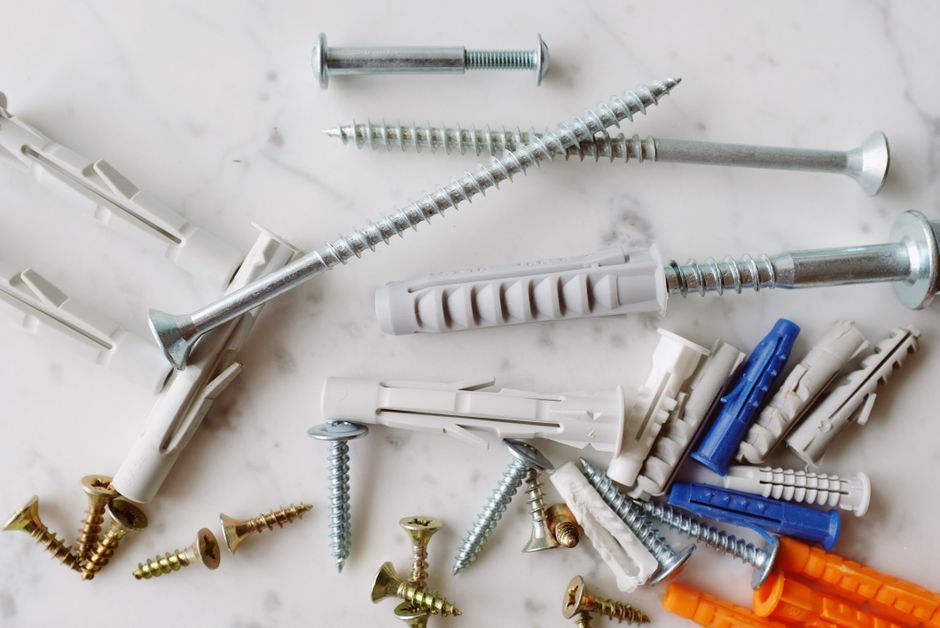
- Wood screws, brackets, wall anchors: ~$20–$35
- Sandpaper, paint/sealer (optional): ~$20–$40
- Total: ~$148–$237
Is it cheaper to build or buy? For basic shelving, building wins hands-down. A comparable pre-made steel shelving unit from Home Depot or Lowe’s runs $80–$200 per unit, but custom-built wood shelving gives you more square footage for less money — and fits your exact wall dimensions.
For a deeper dive into budget-first strategies, check out our guide on DIY Garage Organization Systems on a Budget 2026-2027.
2. Wall-Mounted Pegboard Systems: $100–$250 DIY
Pegboard is one of the most affordable and flexible options for tool storage. A 4×8 sheet of ¼-inch pegboard runs about $25–$40 at Home Depot or Lowe’s. You’ll need standoff spacers, hooks, and bins to complete the setup.
Cost breakdown for a 32-square-foot pegboard wall:
- Pegboard panels (2 sheets): ~$50–$80
- Standoff spacers and mounting hardware: ~$15–$25
- Pegboard hooks, bins, shelves (starter kit): ~$30–$80
- Paint (optional): ~$15–$25
- Total: ~$110–$210
This is the go-to option if you’re organizing a garage for under $200. It handles hand tools beautifully but won’t support heavy power tools or storage bins without additional reinforcement.
3. Slatwall and Wall-Rail Systems: $300–$700 DIY
Slatwall panels and horizontal rail systems (like the popular Gladiator GearWall or similar products at Home Depot) offer more flexibility than pegboard and a cleaner look. They also support heavier loads.
Typical cost for a 16-foot slatwall setup:
- Slatwall panels (4×8, x4): ~$160–$240
- Rail mounting hardware: ~$40–$60
- Hooks, baskets, and accessories: ~$100–$250
- Total: ~$300–$550
One thing competitors rarely mention: slatwall accessories are where costs balloon. The base panels are reasonable, but once you start adding specialized hooks, bike mounts, and storage bins, you can easily add $200–$400 to your project. Budget for accessories from the start.
4. Modular Cabinet Systems: $600–$1,800 DIY
This is the premium tier — think IKEA (Ivar or Besta adapted for garages), RTA (ready-to-assemble) garage cabinets from Home Depot or Lowe’s, or freestanding metal cabinet sets.
IKEA Ivar adapted for garage use:
- Ivar shelving units + side panels for a 10-foot run: ~$400–$600
- Sealing/painting for moisture resistance: ~$50–$80
- Hardware upgrades: ~$40–$80
- Total: ~$490–$760
Home Depot/Lowe’s RTA garage cabinets (10-foot run):
- Cabinet boxes: ~$700–$1,200
- Countertop surface (optional): ~$80–$200
- Installation hardware: ~$30–$60
- Total: ~$810–$1,460
IMPORTANT NOTE on IKEA for garages: IKEA furniture is designed for climate-controlled interiors. If your garage isn’t insulated or heated, particleboard can swell and deteriorate. Factor in sealing costs, or choose steel cabinets instead.
5. Overhead Storage Racks: $200–$500 DIY
Overhead racks are underused and underrated. Ceiling-mounted storage takes advantage of the dead space above your car and typically runs $150–$350 for a 4×8-foot rack kit (brands like Fleximounts or similar available on Amazon and Home Depot).
Full overhead setup:
- Rack kit (4×8 ft): ~$150–$280
- Heavy-duty lag bolts and hardware: ~$20–$40
- Optional pulley/hoist for heavy bins: ~$40–$80
- Total: ~$210–$400
Skill note: This is where skill level genuinely affects total cost. Incorrect installation of overhead racks is a safety hazard. If you’re not confident finding ceiling joists and calculating load capacity, add $150–$300 for professional installation — it’s worth it.
The Hidden Costs First-Time DIYers Miss
This is where most guides fail you. Here’s what nobody puts in the headline number:
- Fasteners and hardware: A project that looks like $400 in lumber and panels easily needs $50–$80 in screws, bolts, anchors, and brackets.
- Safety equipment: Safety glasses, gloves, and a dust mask are $20–$40 if you don’t own them.
- Finishing costs: Paint, primer, or sealer adds $30–$80 to almost any project.
- Disposal fees: Hauling old junk out of your garage before you can even start. Dumpster rental runs $250–$450 for a week, or $100–$150 for a single junk removal trip.
- Mistakes and waste: First-timers should budget a 10–15% material overage. A $400 project can realistically cost $440–$460 after a few miscalculations.
- Trip costs: Multiple hardware store runs add up. Budget for 2–3 trips minimum.
For a broader look at what surprise expenses show up in home improvement projects, our How Much Does Home Repair Cost? 2026-2027 Guide has you covered.
Tools: Buy, Rent, or Already Own?
| Tool | Needed For | Buy Cost | Rent Cost/Day |
|---|---|---|---|
| Drill/driver | Almost everything | $60–$150 | $25–$40 |
| Circular saw | Cutting plywood | $80–$200 | $30–$50 |
| Level (4-ft) | All wall installations | $20–$50 | N/A |
| Stud finder | Wall mounting | $15–$40 | N/A |
| Miter saw | Precise cuts | $150–$350 | $50–$80 |
Rule of thumb: If you’re spending under $300 on materials, don’t buy a new miter saw for the job — rent it or cut to length at the store. A drill/driver is worth buying since you’ll use it for years across dozens of projects.
True DIY cost includes tools you don’t own. If you need to buy a drill + circular saw for a $400 material project, your real first-project cost is closer to $650.
DIY vs. Professional Installation: The Real Comparison
Professional garage organizers or handymen typically charge:
- Labor only: $40–$85/hour (varies significantly by region)
- Full design + install (modular cabinets, slatwall, overhead): $1,500–$5,000+ for a two-car garage
When DIY makes clear sense:
- You already own basic tools
- You’re comfortable with a drill and level
- Your project is shelving or pegboard (lower skill requirement)
- You have 1–2 weekends to invest
When hiring a pro might be worth it:
- Overhead rack installation (safety concern)
- Full modular cabinet systems with complex layouts
- You value your time at $50+/hour and the project takes 16+ hours
Budget Tiers: What You Can Get at Each Level
Under $250: Functional and Fast
- Basic pegboard wall + 2-3 freestanding metal shelving units
- Handles tools, bins, and sports equipment
- Expect 4–8 hours of work, beginner-level skill
$250–$500: Solid Upgrade
- Full wood shelving system + pegboard or slatwall section
- Covers most of a one-car or half of a two-car garage
- Expect 8–16 hours, intermediate skill
$500–$1,200: Serious Organization
- Overhead racks + slatwall + built-in shelving
- Full two-car garage coverage
- Expect 2–3 weekends, intermediate to advanced skill
$1,200+: Custom or Modular Cabinets
- Full cabinet system with countertop workspace
- Highest durability and resale appeal
- Expect 3–5 weekends or hire out installation
For more ideas on getting maximum bang for your buck across the whole house, see our Cheapest Home Improvement Projects with Biggest Impact 2026-2027.
Cost Per Square Foot: A Useful Comparison
For a standard two-car garage (~400–440 sq ft of usable wall and floor space):
| System | Total DIY Cost | Cost Per Sq Ft of Storage |
|---|---|---|
| Wood shelving | $200–$400 | $0.50–$1.00 |
| Pegboard | $150–$250 | $4.70–$7.80/wall sq ft |
| Slatwall | $350–$700 | $10.90–$21.90/wall sq ft |
| Modular cabinets | $800–$1,800 | $25–$56/linear ft |
| Overhead racks | $210–$400 | $6.55–$12.50/sq ft |
Wood shelving wins on raw cost per square foot of storage, but overhead racks win when floor space efficiency is the metric — they store without consuming any floor area.
Regional Price Variations
Material costs are fairly consistent nationally (lumber, panels, hardware), but labor rates vary significantly if you’re hiring out any portion:
- Northeast (NY, MA, CT): Labor rates 20–35% above national average
- West Coast (CA, WA, OR): Labor rates 15–30% above national average
- South (TX, TN, FL): At or below national average, often 10–15% lower
- Midwest: Generally at or slightly below national average
Lumber prices can also vary 10–20% depending on proximity to suppliers and regional demand. Always get local quotes rather than relying solely on national price guides.
ROI and Resale Value: What’s Realistic
A well-organized garage can be a selling point, but the honest truth is that garage organization rarely returns dollar-for-dollar at resale on its own. What it does do:
- Makes your home photograph better and show more cleanly
- Helps buyers perceive a well-maintained property
- Adds perceived value that may support your asking price alongside other improvements
Built-in cabinet systems and overhead racks tend to read as permanent improvements and hold up better in buyer perception than freestanding units. Don’t expect a $1,500 garage cabinet project to add $1,500 to your sale price — think of the ROI as lifestyle value first, resale perception second.
For the home improvement projects with the clearest financial returns, also check out our Home Improvement Services Package Deals: 2026-2027 Buyer’s Guide.
Final Takeaways
- Basic pegboard or wood shelving is your best entry point under $250 — it works, it’s durable, and beginner-friendly.
- Always budget 15% above your material estimate for fasteners, finishing, and mistakes.
- Tools you don’t own are a real cost — factor them in before declaring DIY the cheaper option.
- Overhead racks offer the best floor-space-to-cost ratio if your ceiling joists can support them.
- Modular cabinets look great but cost 3–5x more than basic shelving for similar storage volume.
- Regional labor costs matter a lot if you’re hiring any part of the project out.
With the right system matched to your budget tier, a well-organized garage is absolutely achievable — you just need accurate numbers going in.